
Morning Excursion: Whalers Bay
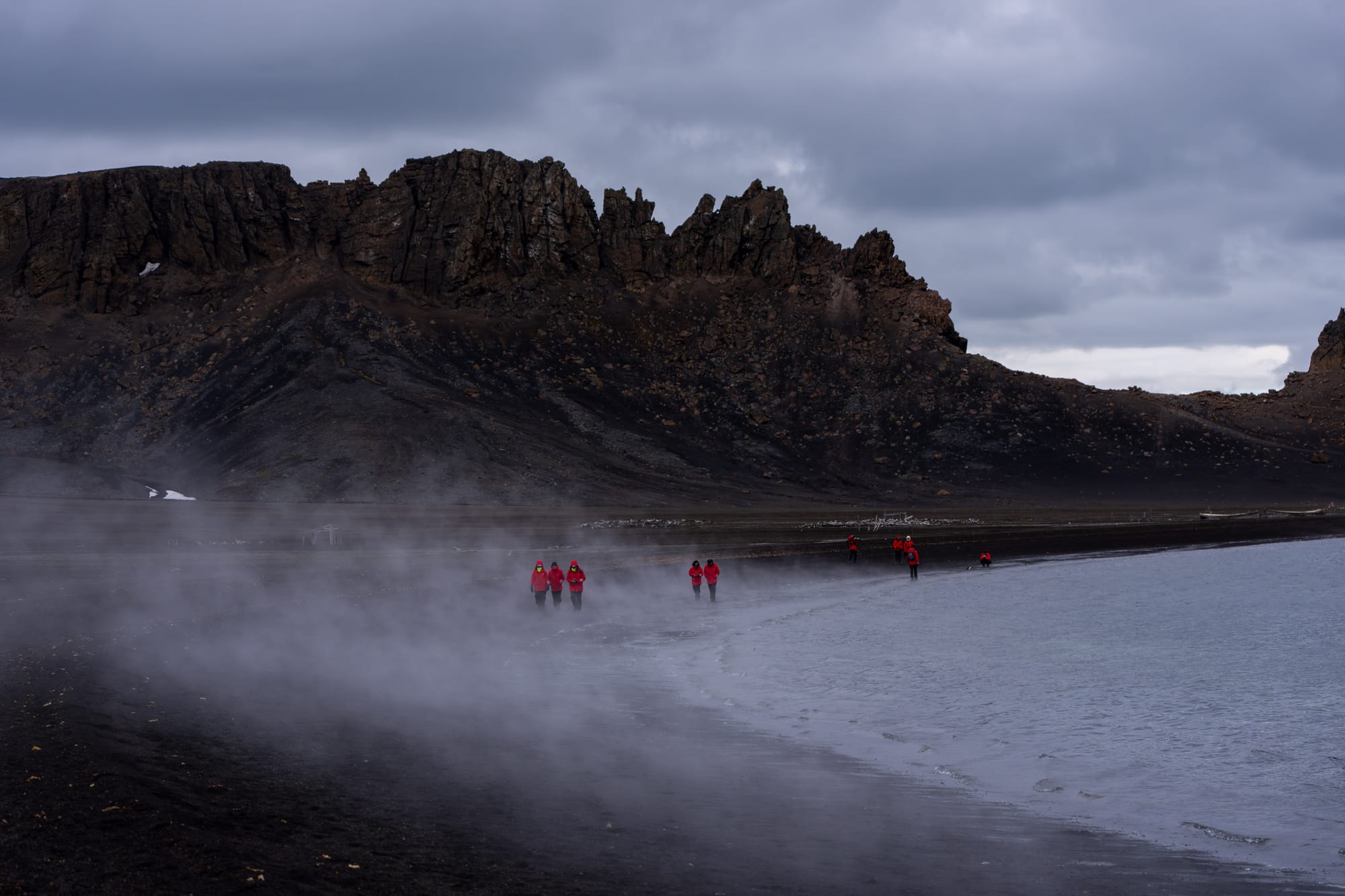
Whalers Bay is a small natural harbor tucked inside Deception Island, part of the South Shetland Islands, where an active volcanic crater forms a remarkably sheltered inlet. Beginning in the 1820s, this protected anchorage was heavily used first by sealers and later by whalers, drawn by both its accessibility and relative safety in an otherwise hostile region. Even today, reaching Whalers Bay is far from routine—our captain, despite spending numerous seasons navigating Antarctic waters, has only managed to bring a ship inside the harbor four times. It’s a quiet but powerful reminder of just how unpredictable and unforgiving the Antarctic environment can be, even for those who know it best.
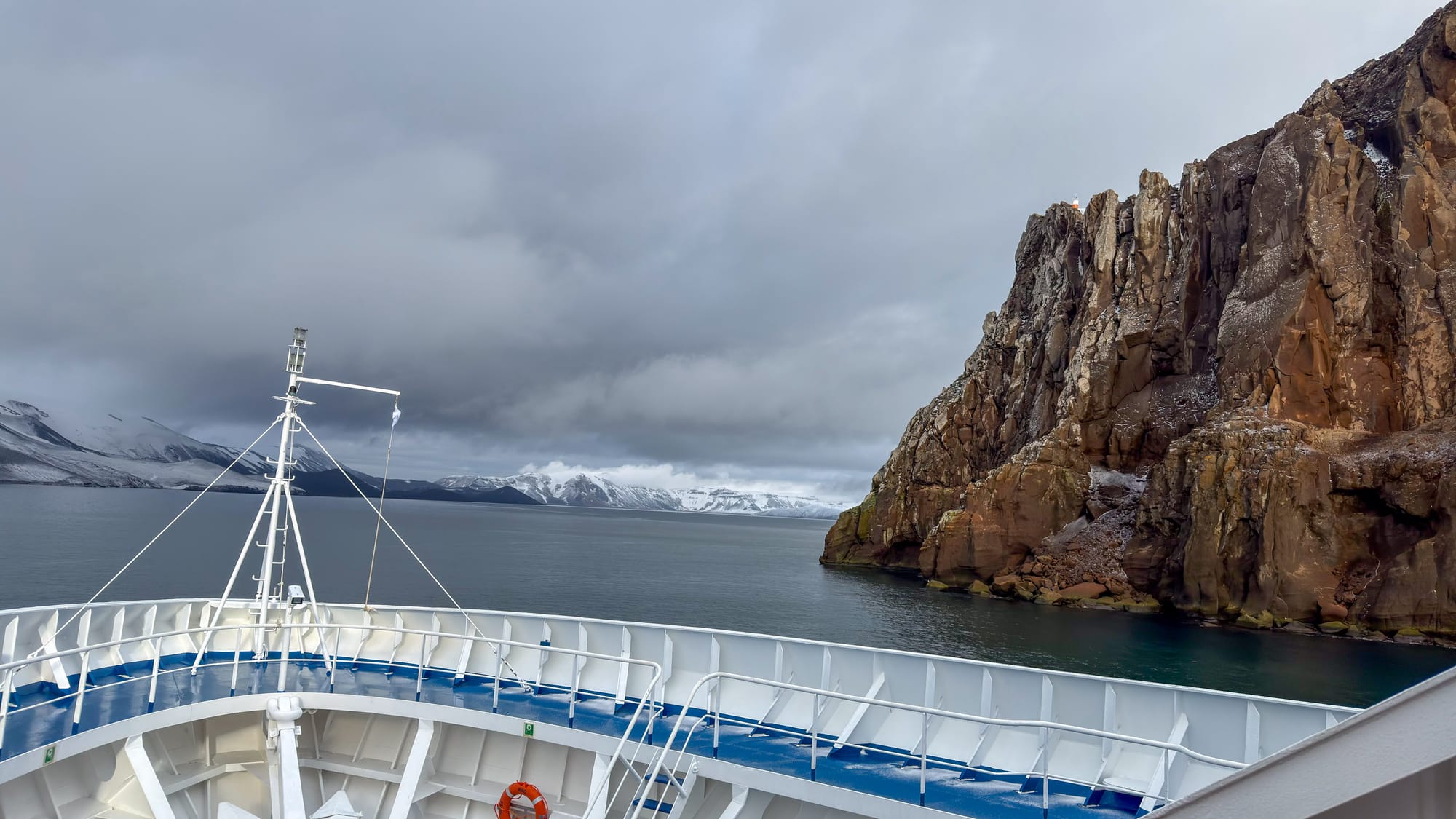
Entering Whalers Bay
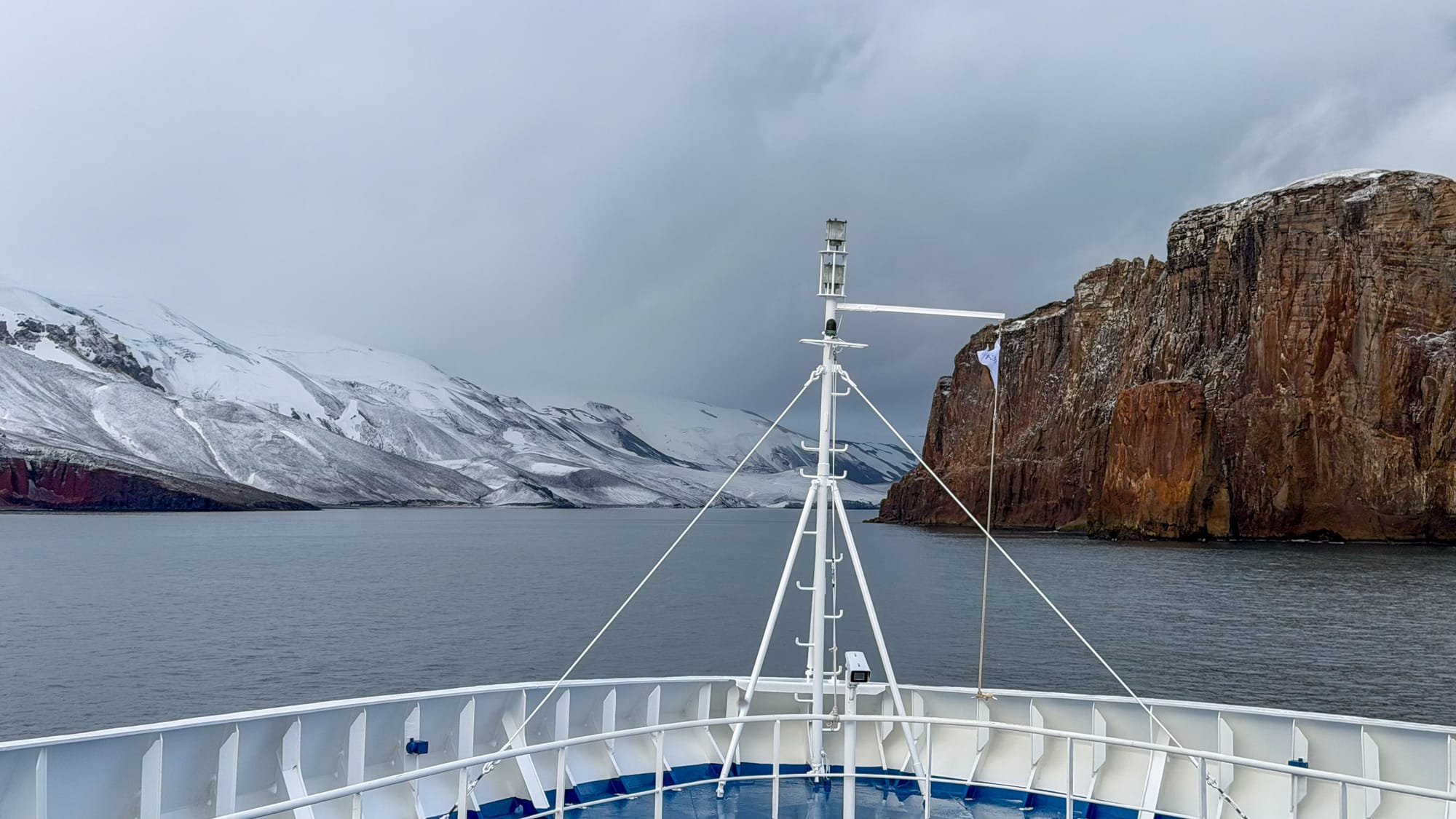
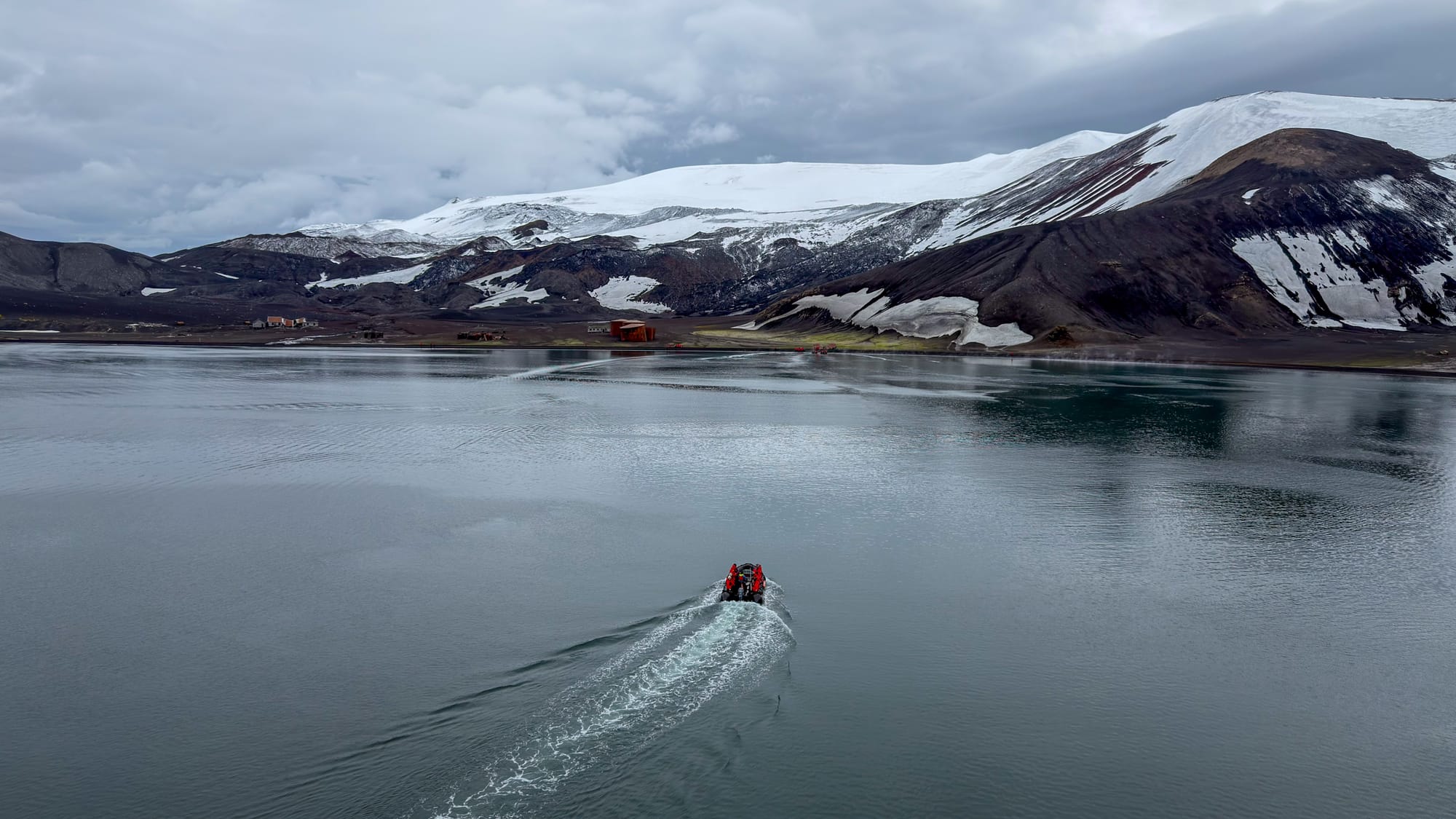
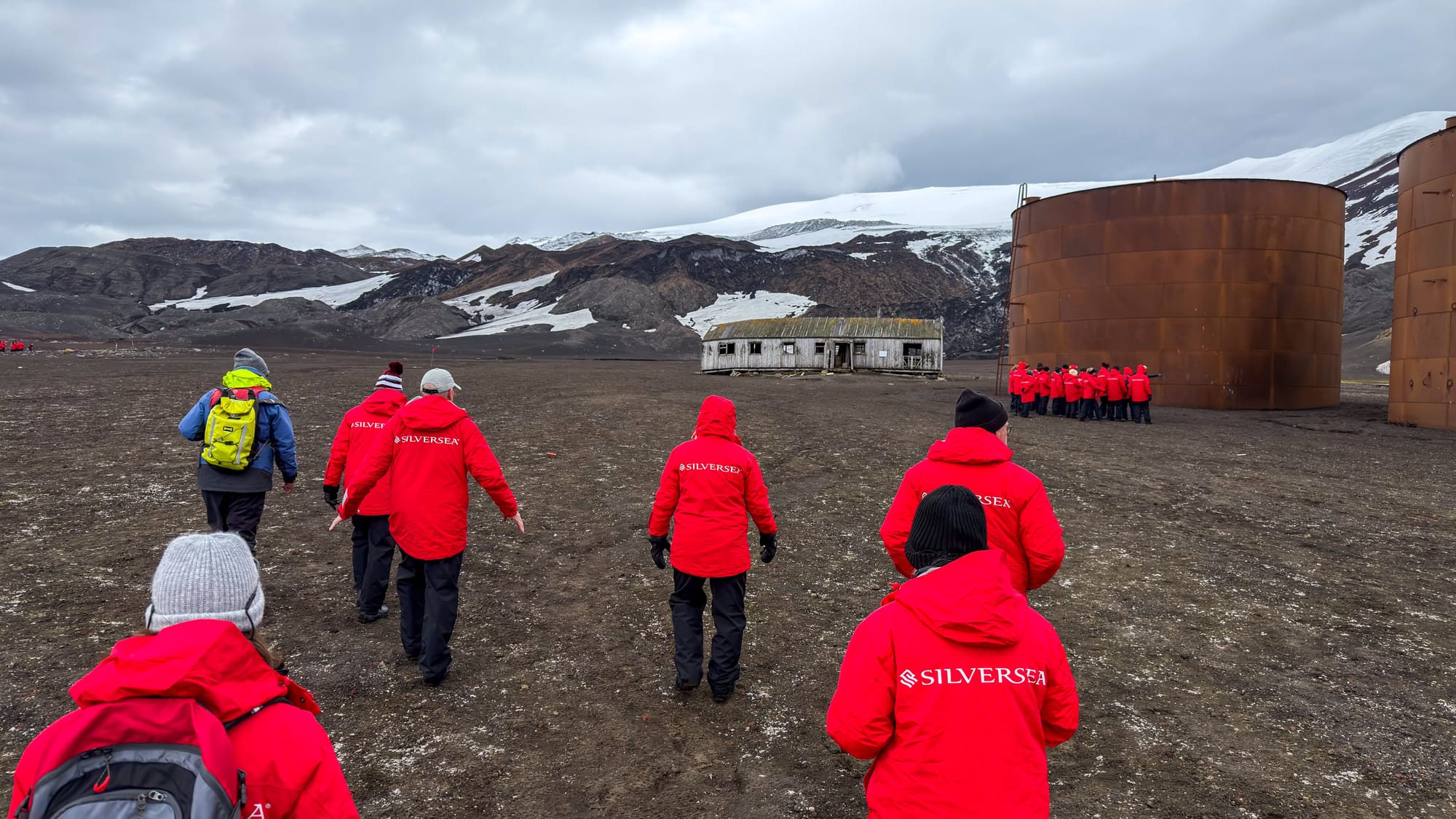
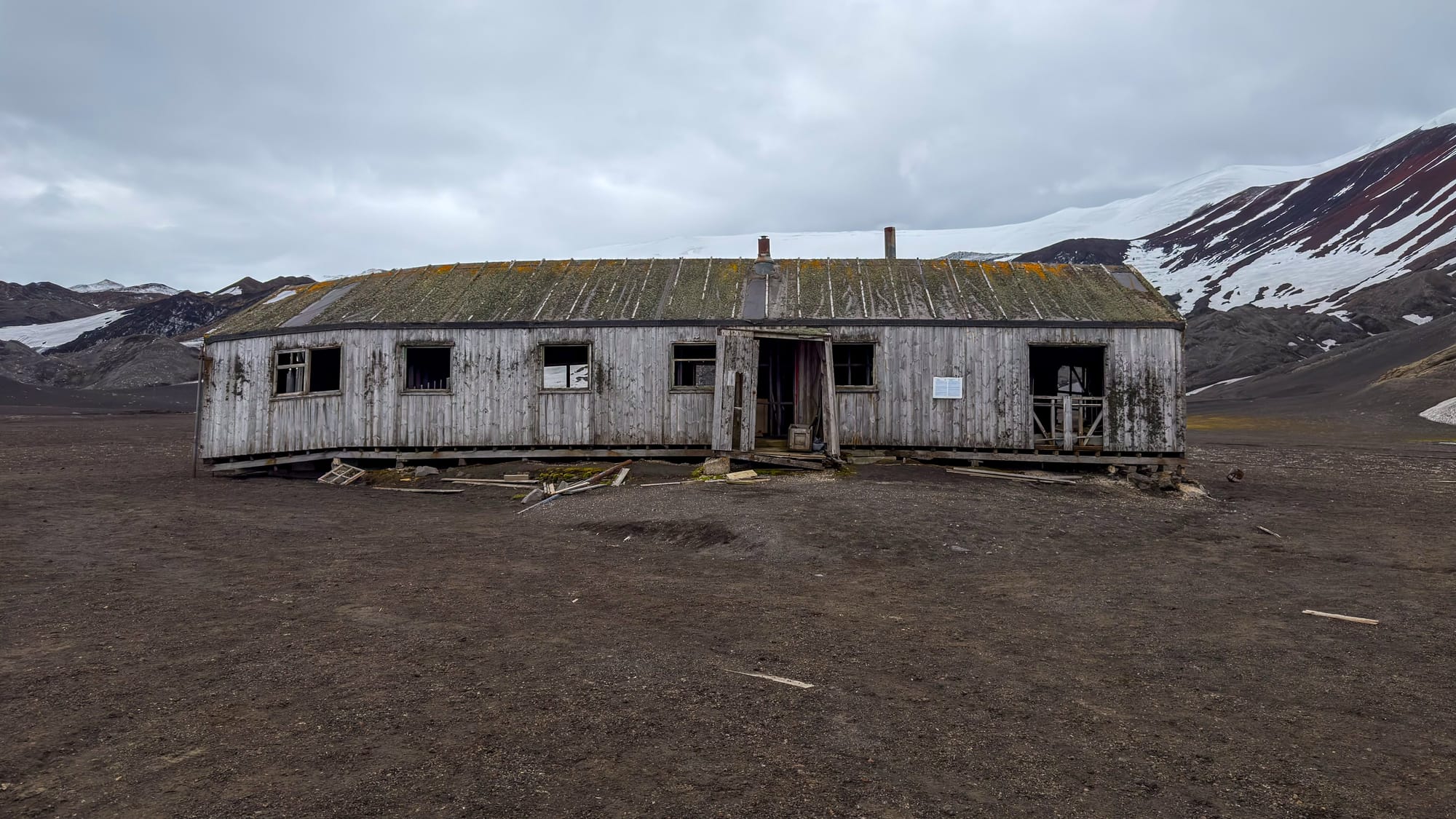
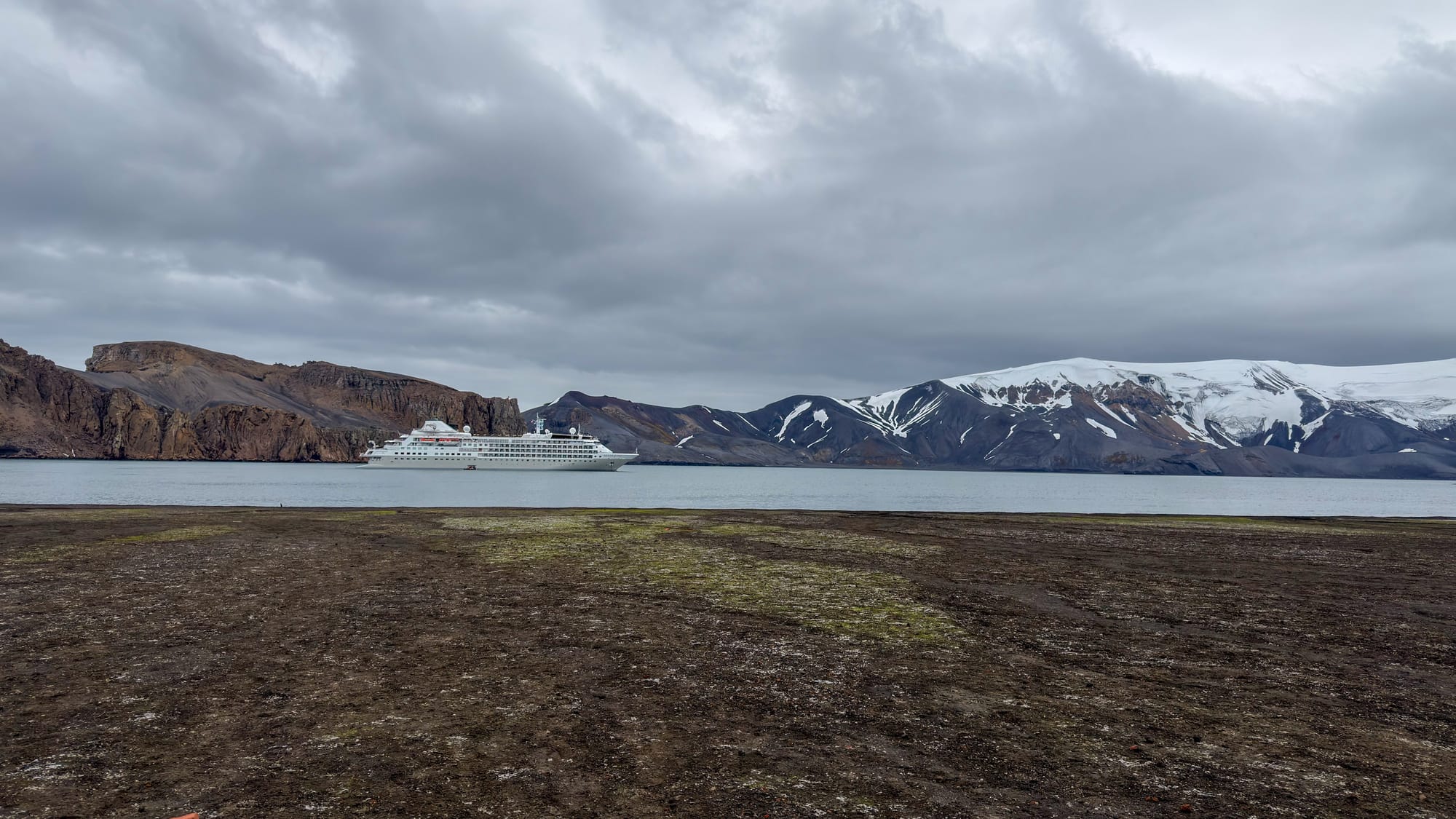
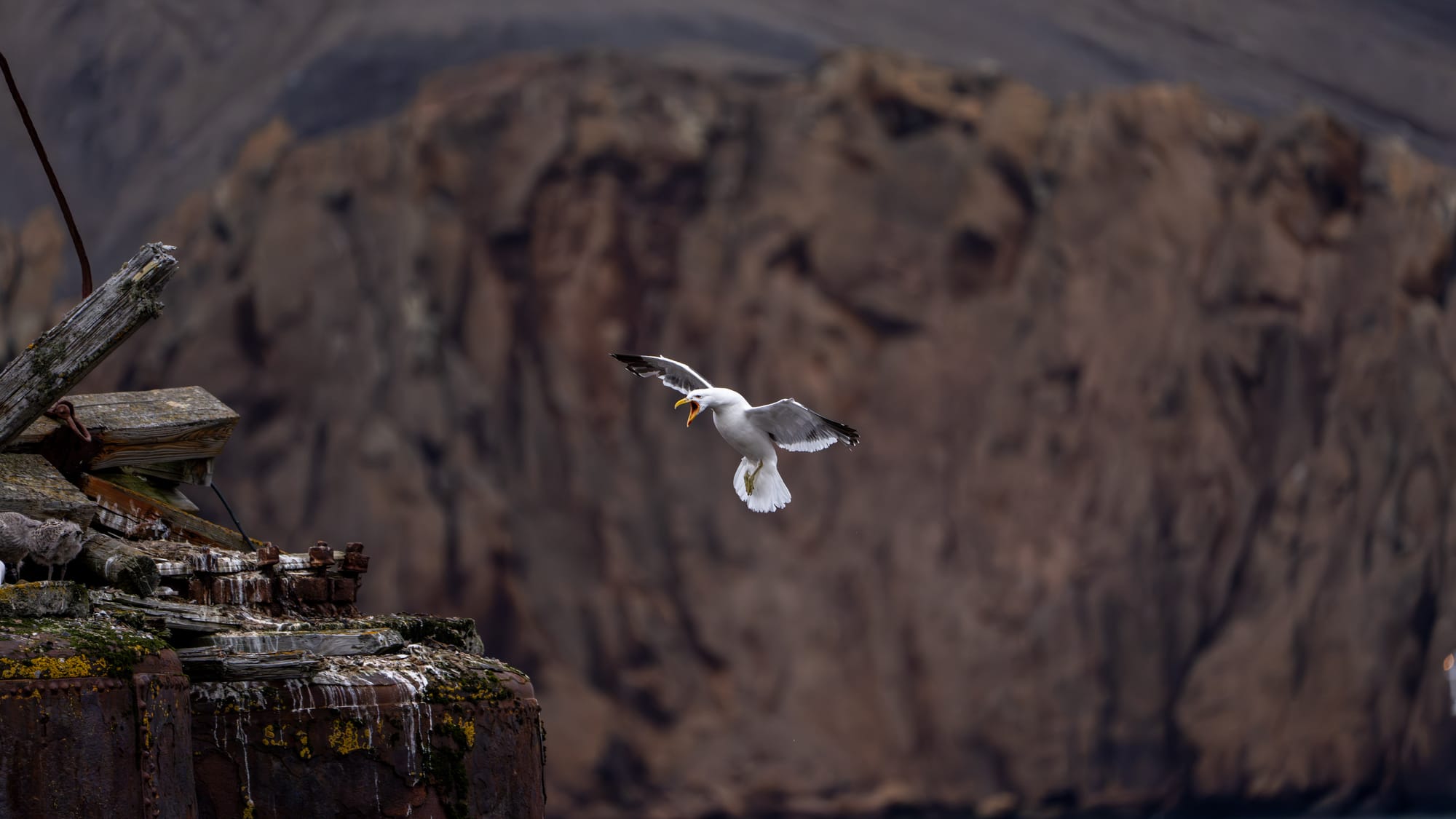
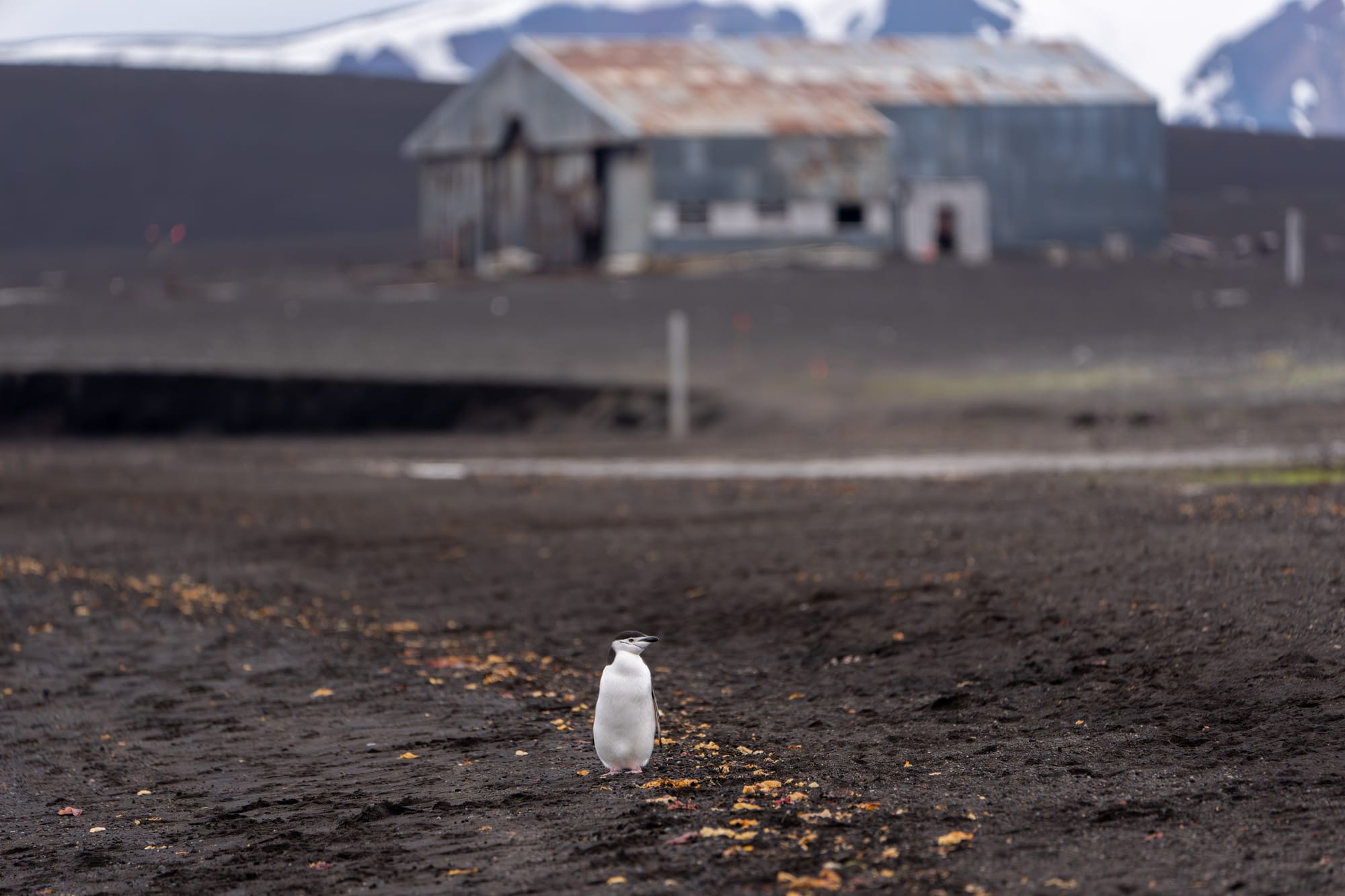
Entering Whalers Bay at Deception Island felt like slipping through a crack in the planet. The approach itself was the drama—Neptune’s Bellows, the narrow entrance to the flooded caldera, lived up to its reputation as both intimidating and unforgiving. Steep cliffs pressed in on either side as we passed through, a reminder of how dangerous this passage once was for whaling ships navigating it in rough seas or poor visibility. Once inside, the water calmed instantly, revealing the stark remains of Whalers Bay—rusting tanks, abandoned buildings, and dark volcanic sand that contrasted sharply with the surrounding ice. It was one of those moments where Antarctica felt less pristine and more raw, shaped as much by human ambition as by nature.
Afternoon Excursion: Bailey Head
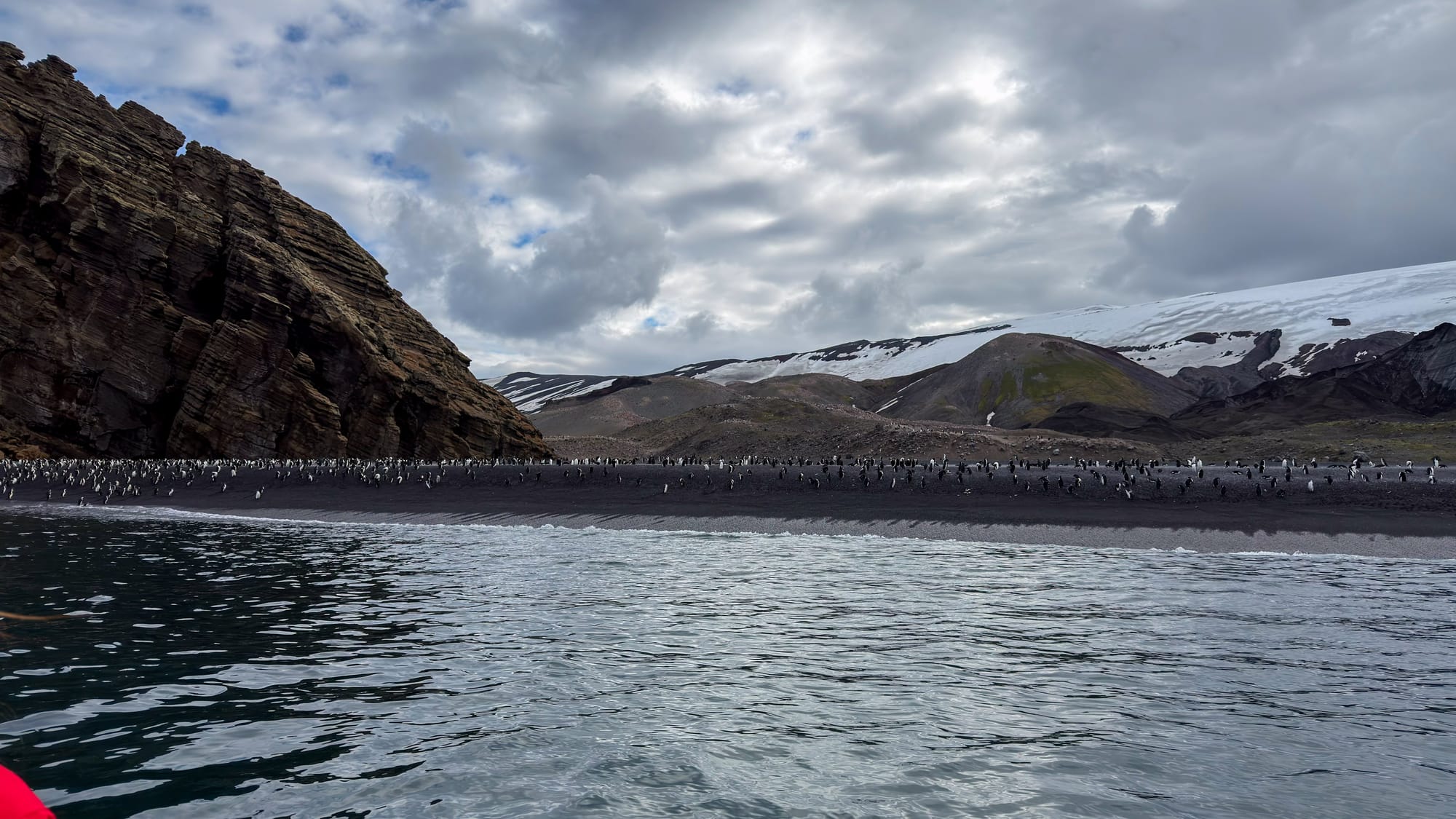
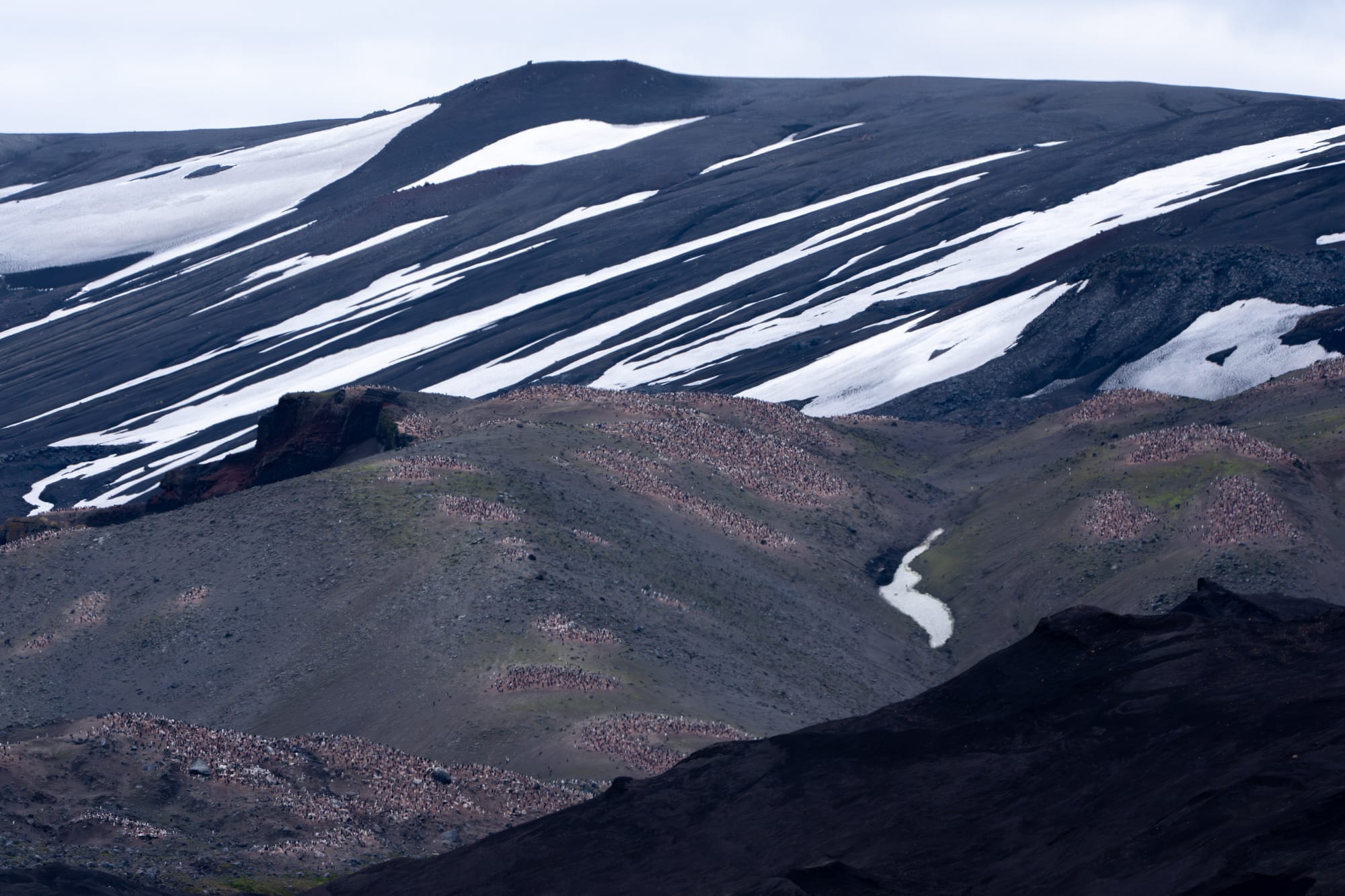
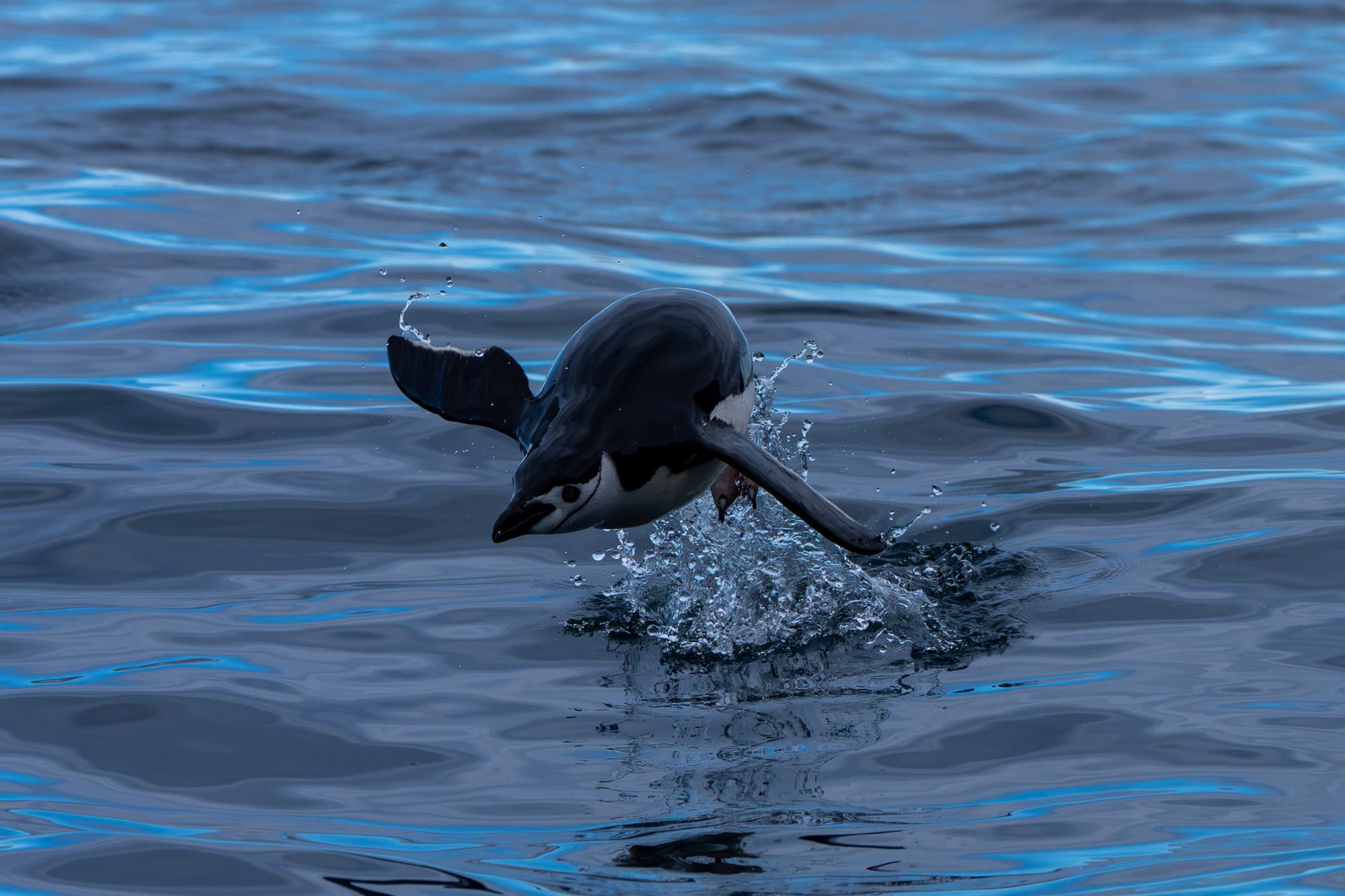
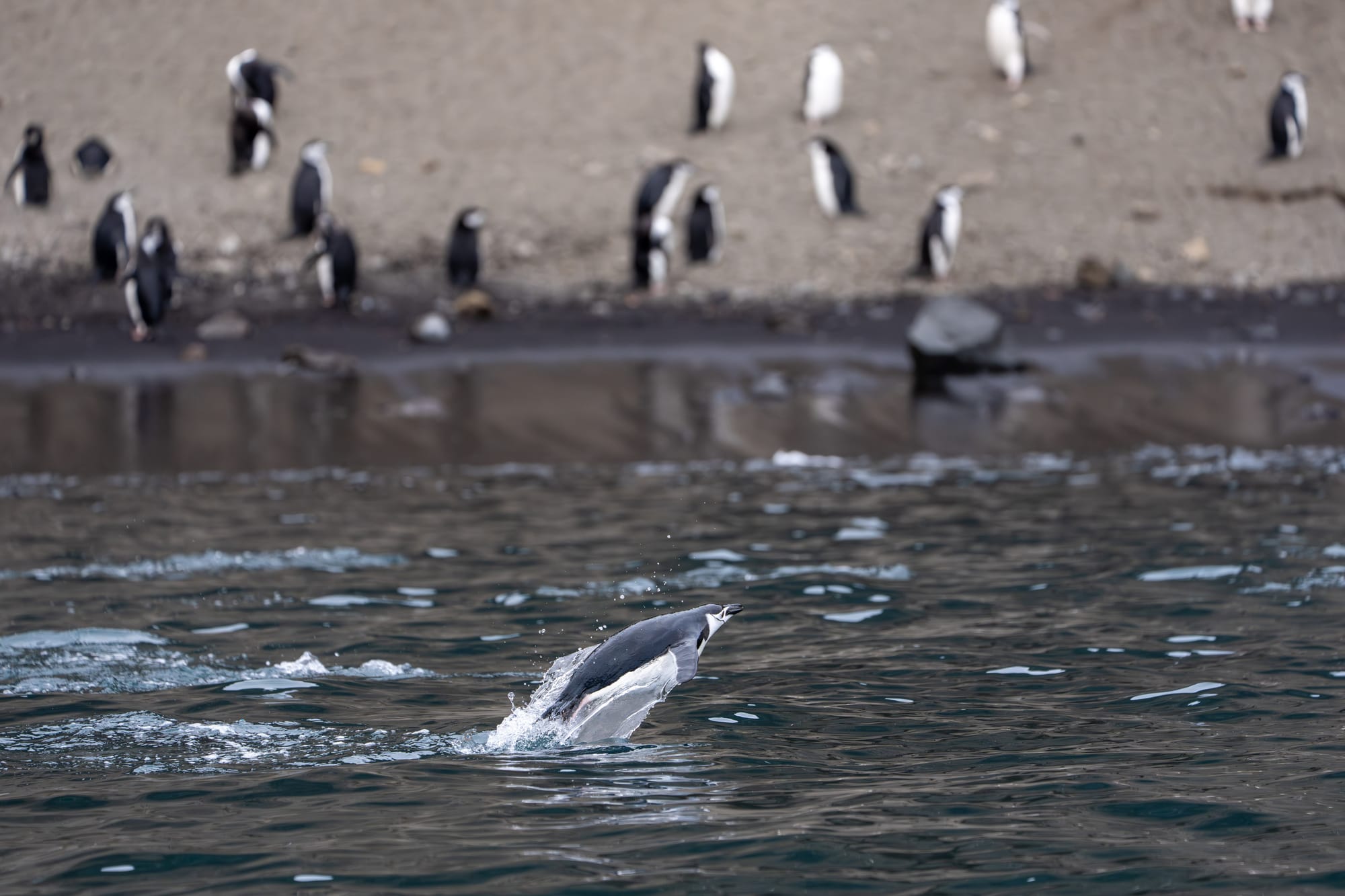
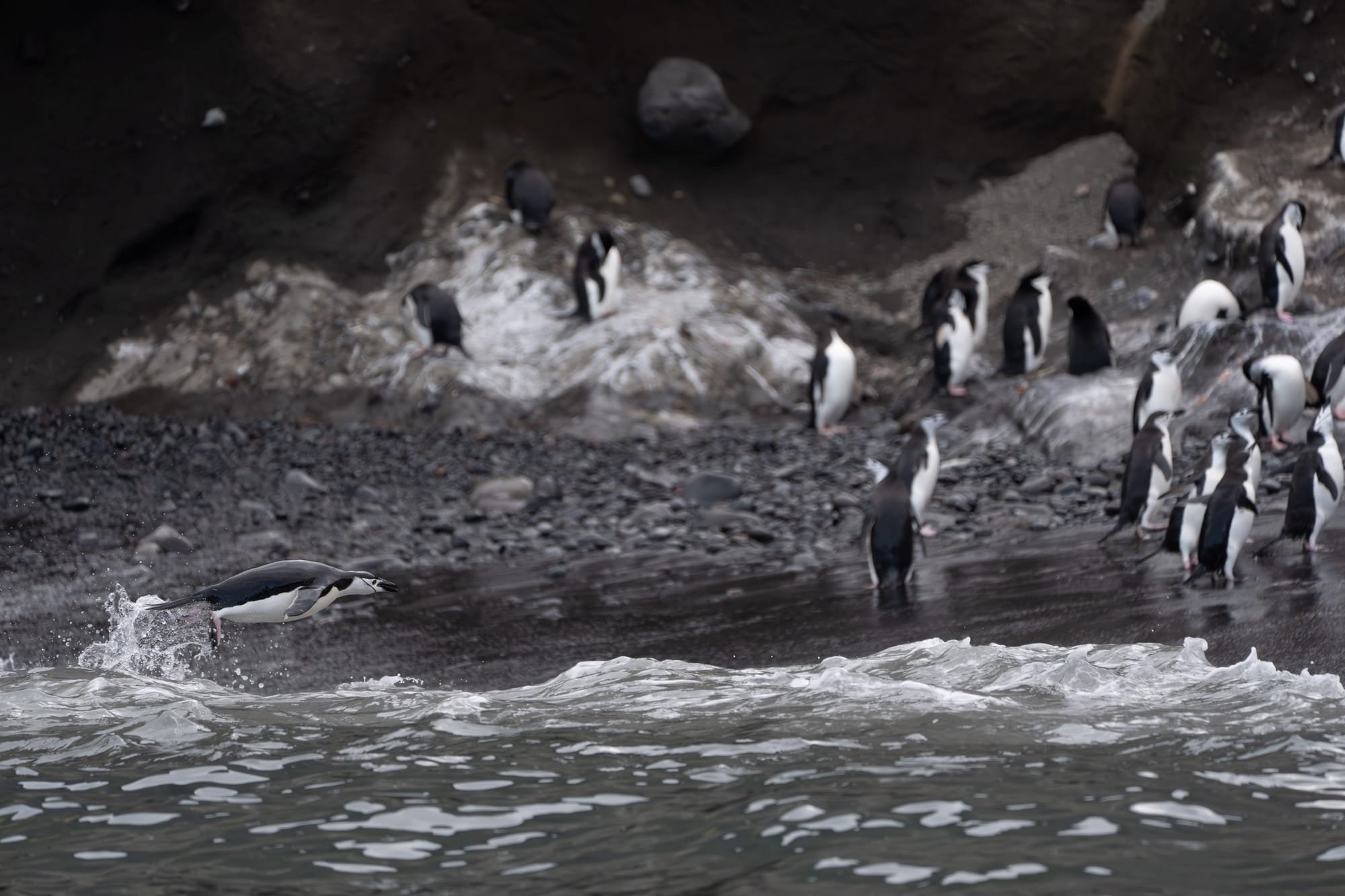
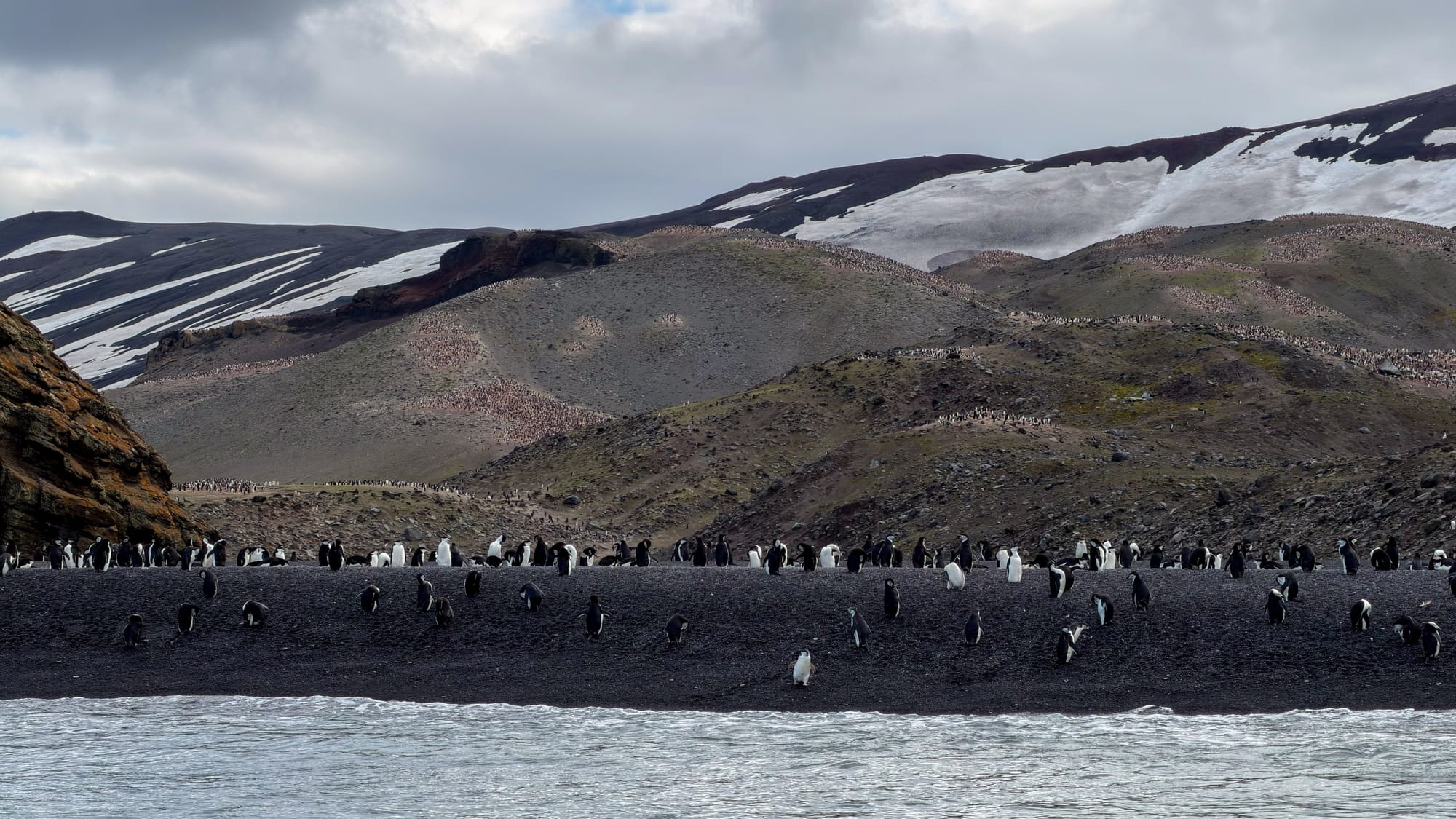
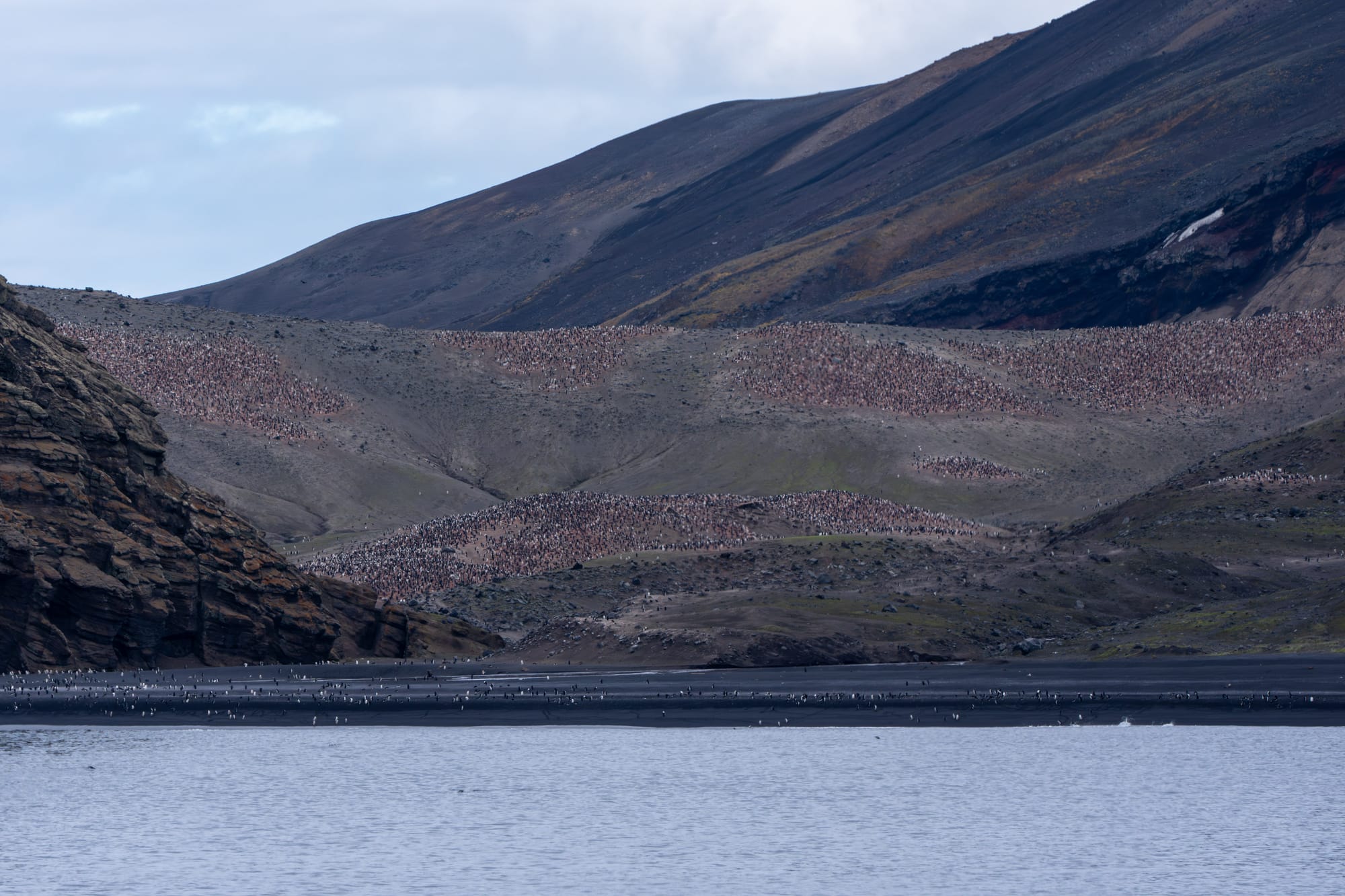
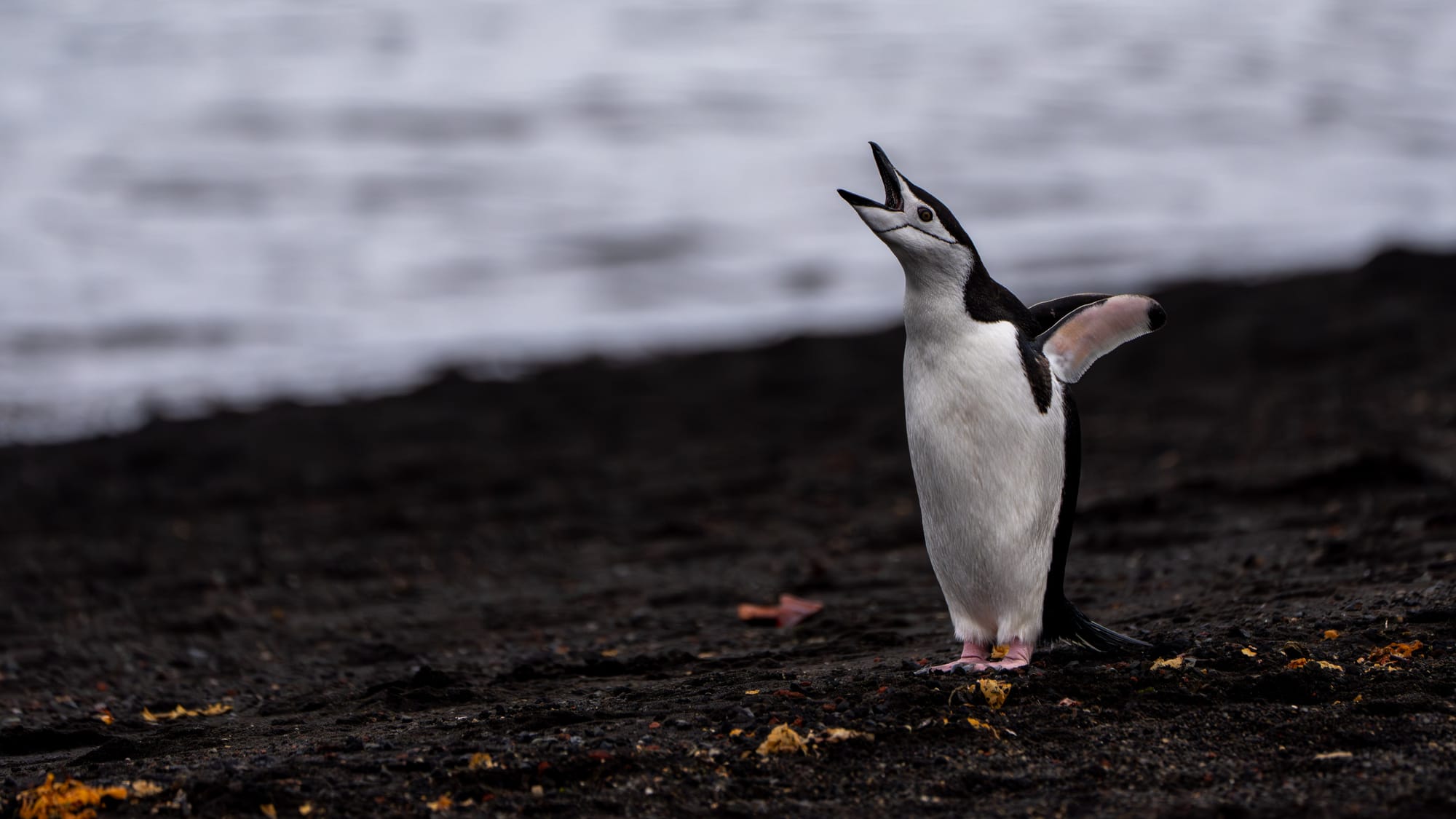
Bailey Head is one of the most active wildlife sites on Deception Island and is home to one of the largest colonies of chinstrap penguins in the world. Approaching it by zodiac provides a clear view of its scale and conditions. As we traveled along the shoreline, the noise from the massive penguin colony was constant and easily heard over the engines. Thousands of penguins moved between the water and the beach, while others covered the volcanic slopes above. The dark sand and surrounding cliffs reflect the island’s volcanic origin, and in some areas faint steam was visible rising from the ground. Observing Bailey Head from the zodiac highlighted both the density of wildlife and the challenging environment that defines this part of Antarctica.