
Late last year I watched the documentary The Blue Angels, which showed what goes on behind the scenes of this amazing flight demonstration squadron and how they prepare for these shows. The visuals were stunning and I got excited about the opportunity to photograph them in action. I pulled up their 2025 schedule and saw they would be in Pennsylvania Memorial Day weekend. I didn’t know this at the time, but the last time the Blue Angels performed in Harrisburg, PA was in 1987. I set a reminder to buy my tickets and started doing some research on how air shows operate and what to expect.
The day before the show, I received an email stating they were opening the parking and gates an hour earlier than previously stated due to the overwhelming amount of people expected. I had a ticket to a reserved area for photography. It had several amenities such as a dedicated portable bathroom, free water and snacks, as well as folding chairs. I wasn’t exactly sure what to expect as far as crowds, so I decided to arrive around 8:30am even though the flying events wouldn’t start until noon.
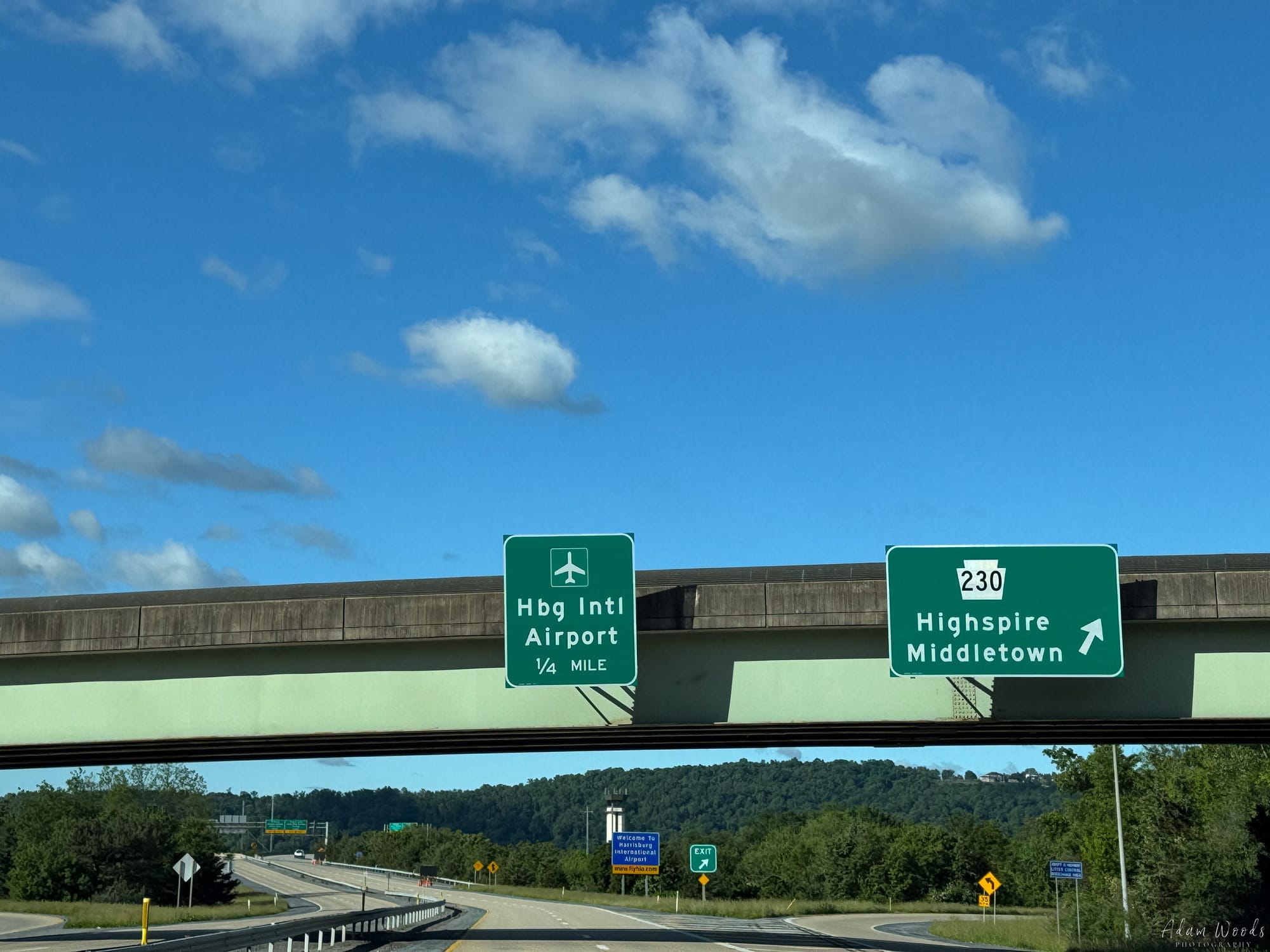
Parking was pretty empty upon arrival and I grabbed my gear and headed to the gates. There were around 100 people or so already in line. The show organizers opened the gates a bit before 9am and I made my way in. I walked around the various aircraft which included F-16s and A-10 Warthogs, one of my favorite aircraft. When I was a kid, I can remember my dad taking me to Naval Air Station Joint Reserve Base (NASJRB) Willow Grove. I would get to see all of the A-10s stationed there up close and personal.
The A-10 Warthog is primarily known for its GAU-8/A Avenger, a seven-barrel Gatling gun that fires 30mm rounds. This gun is mounted in the nose of the aircraft and is known for its high rate of fire and ability to penetrate armor.
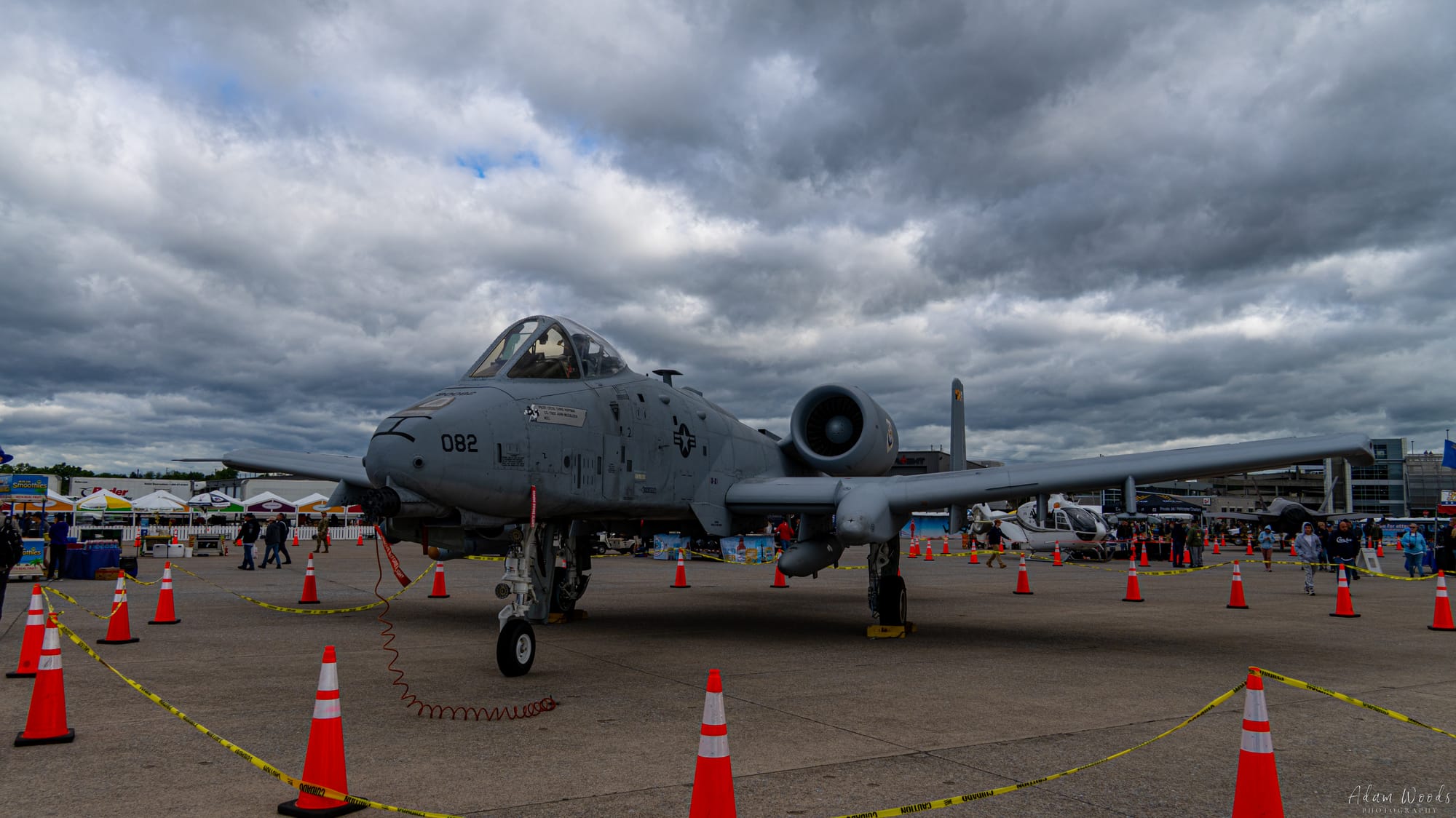
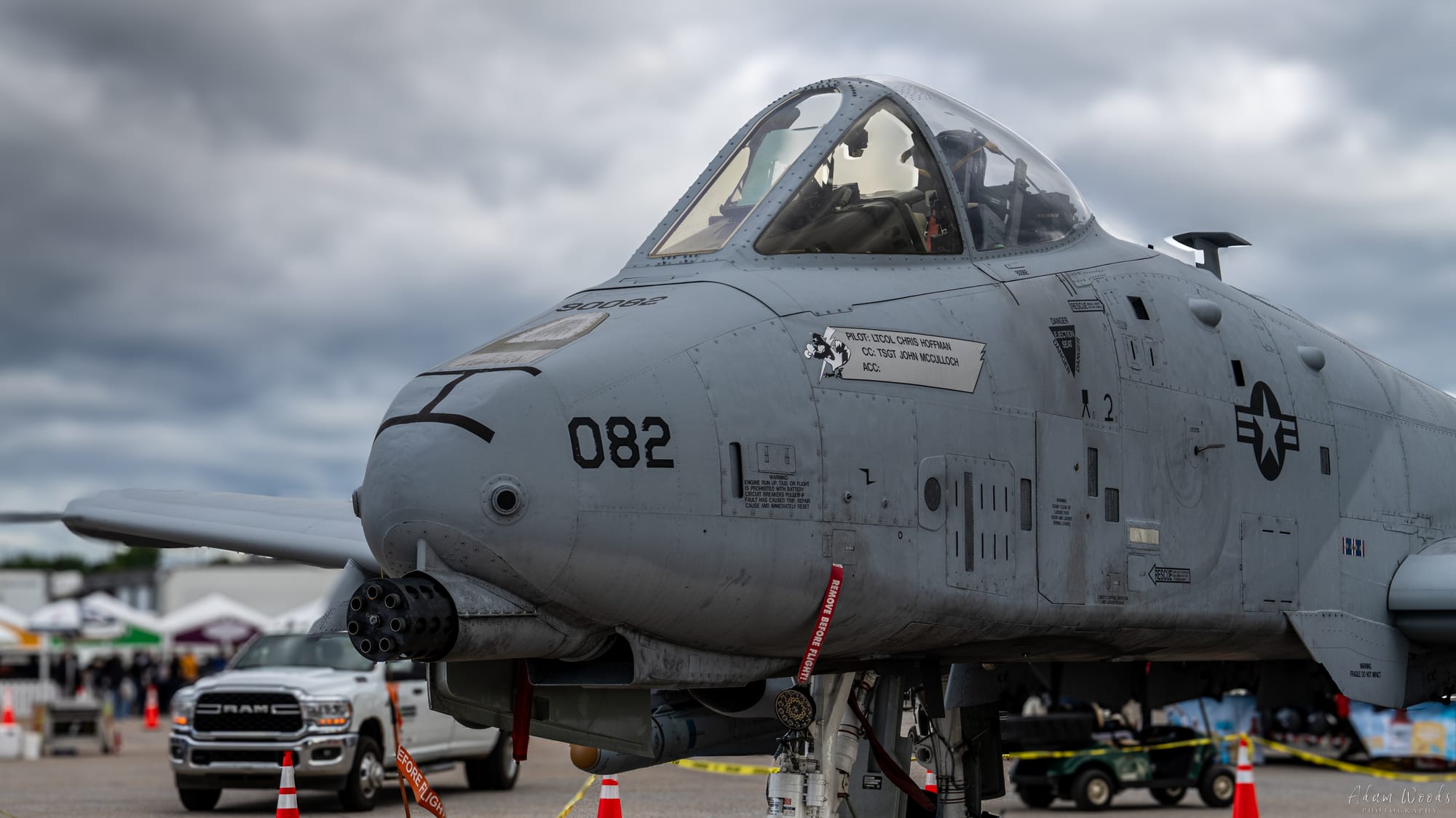
A-10 Warthog
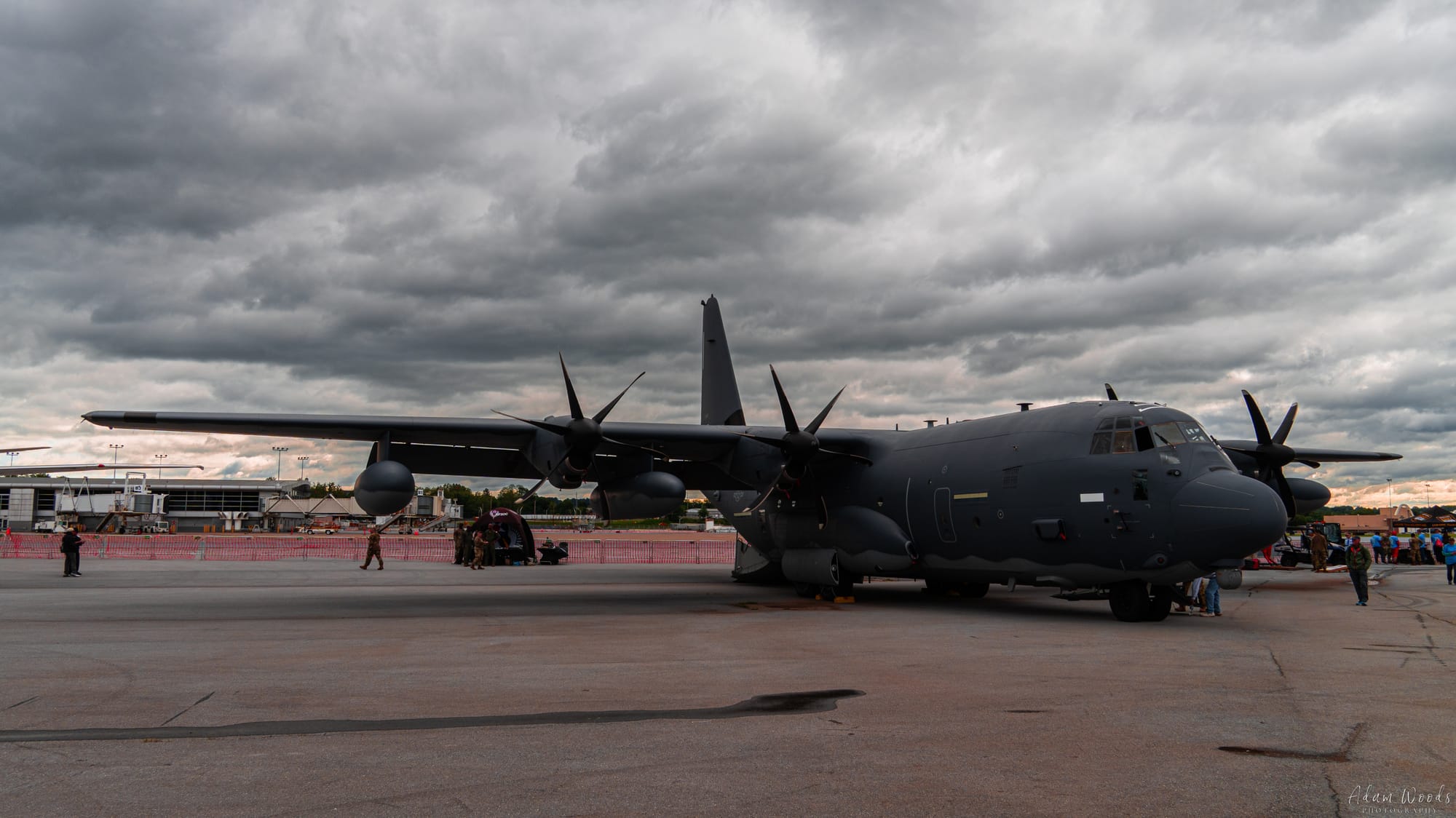
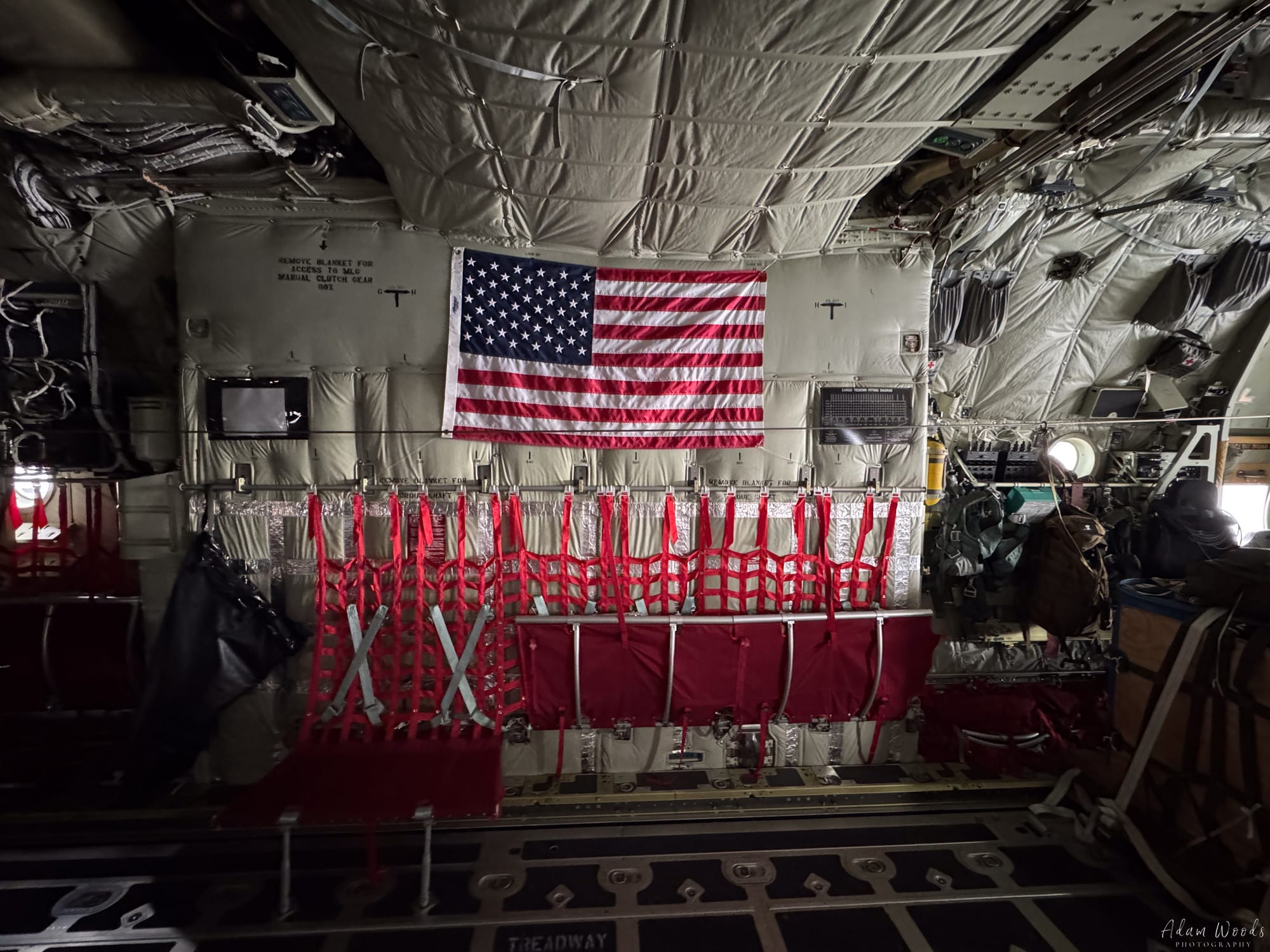
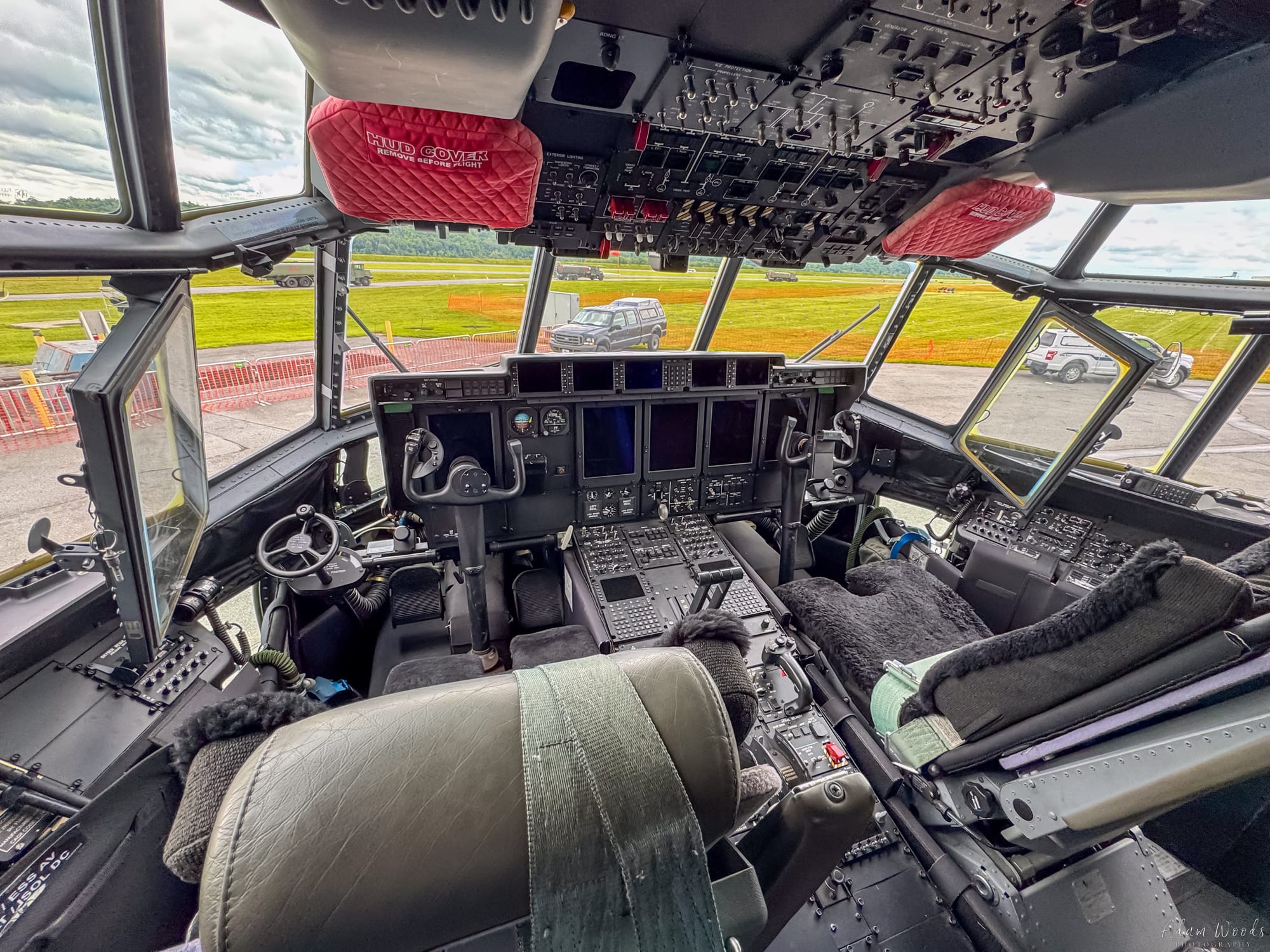
Some of the exhibits at the show allow you to get up close and personal. I was able to go inside one of the C-130s and talk with the flight crew. They explained the various missions of the C-130 and how they fly various support operations.
There are over 70 different variants of the C-130.
After walking around for a bit, I wanted to get ready for the main event. The Blue Angels were the stars of the show, so they would be performing at the end of the day, starting around 3:00pm. There were various aircraft that will be taking flight prior to them, so I headed to the photo pit to get ready for the show.
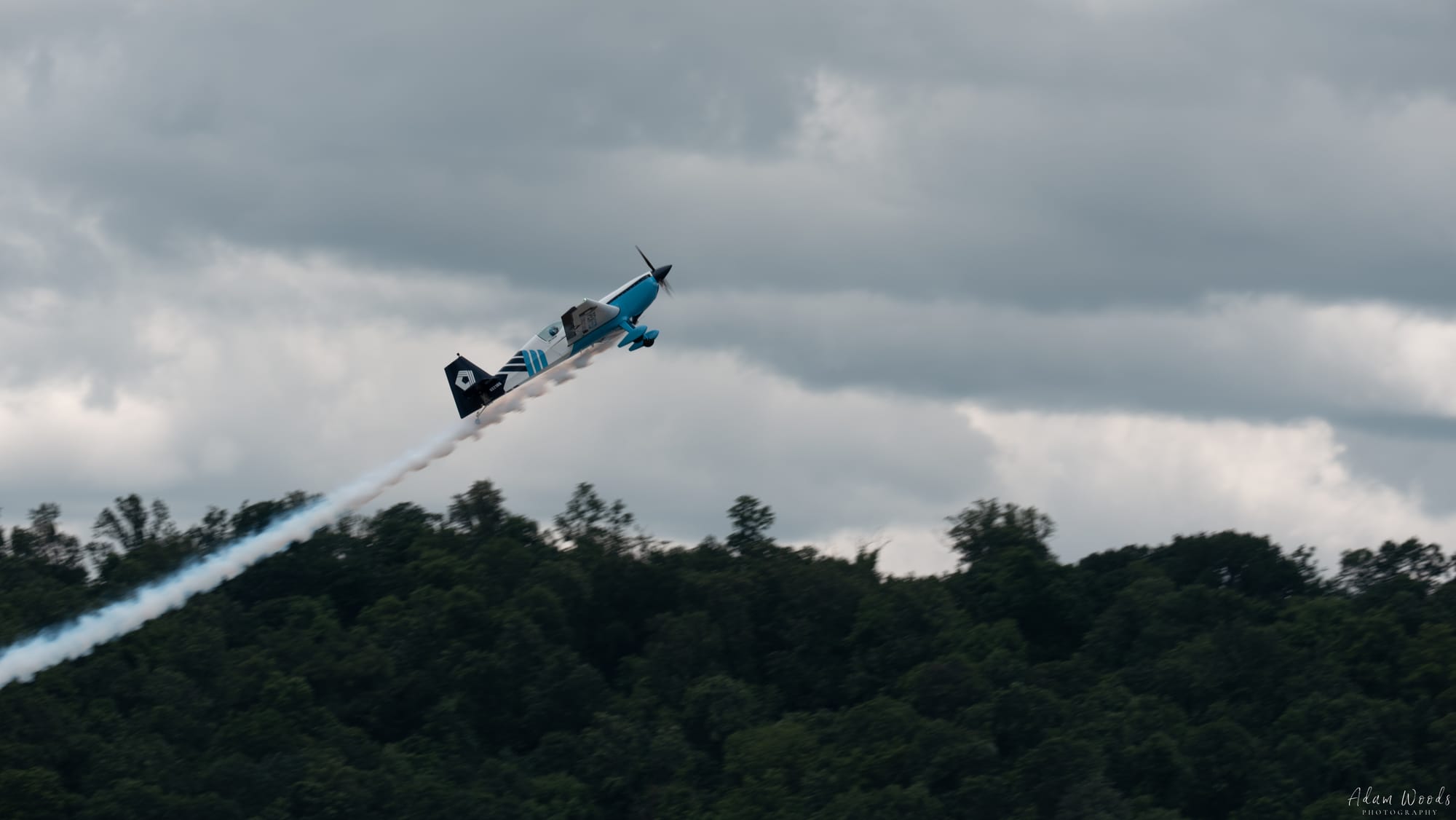
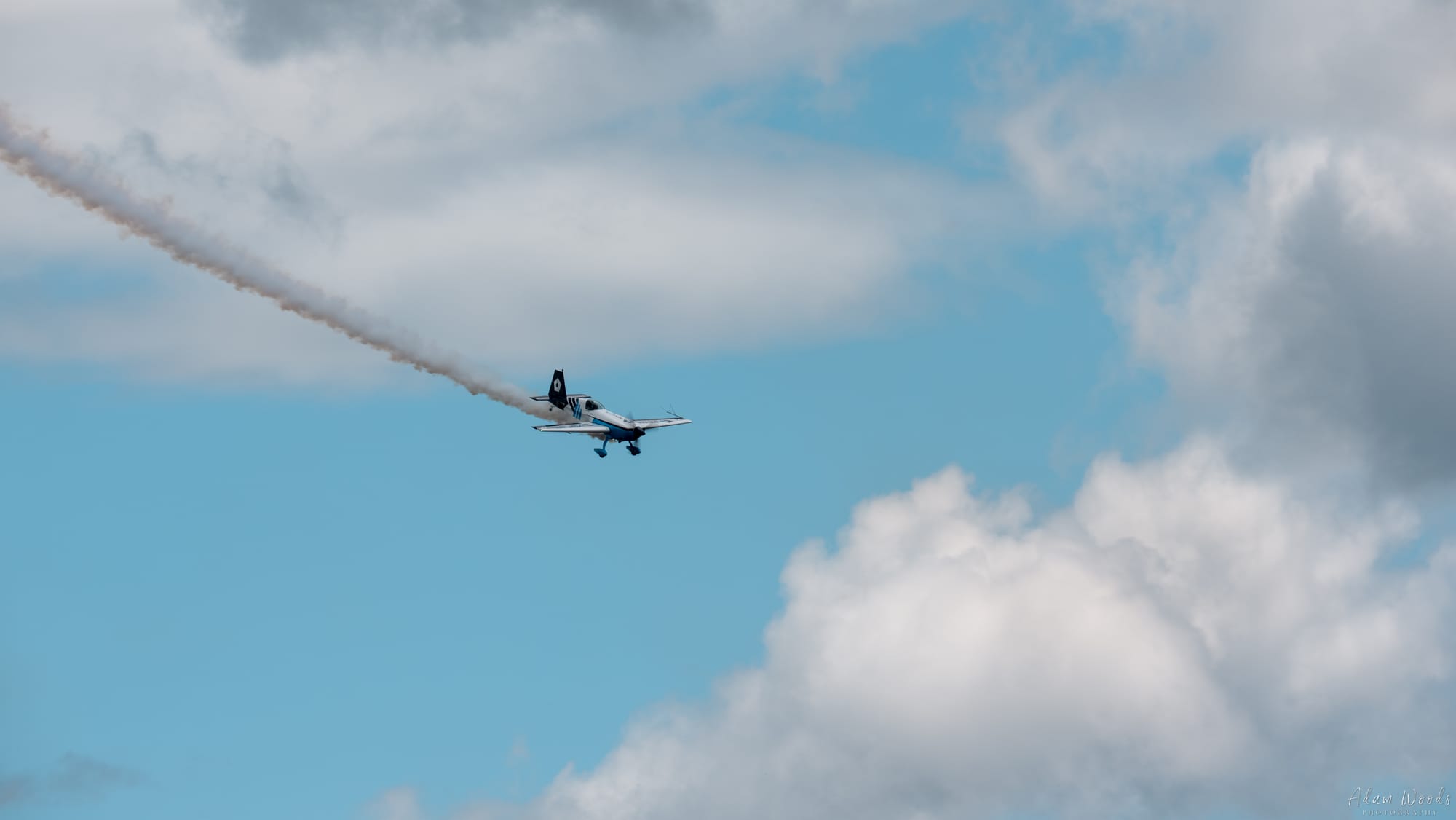
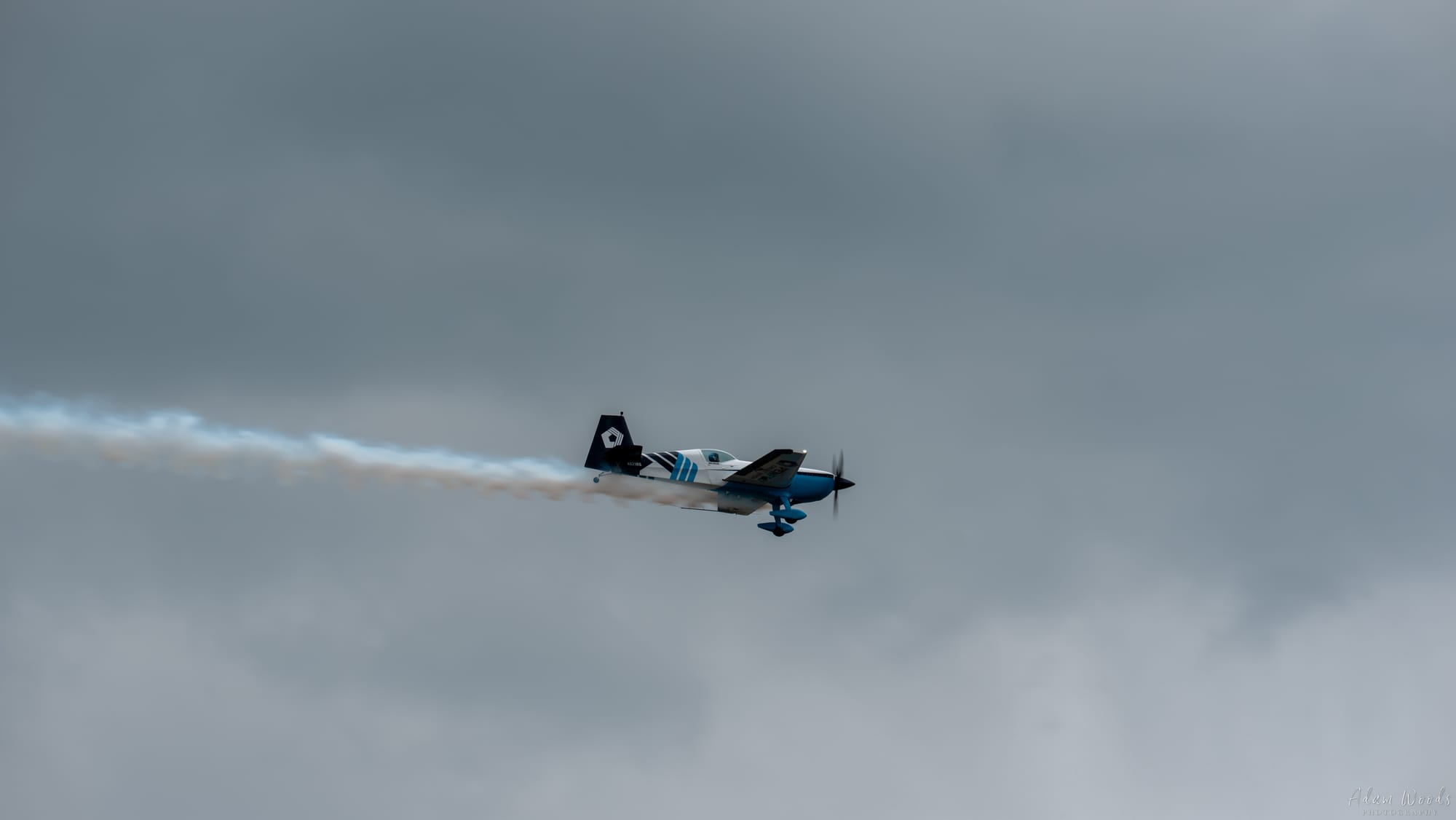
The air show started off with some aerial acrobatics by Michael Goulian. Photos really can’t do justice to the crazy maneuvers performed and how the plane was tumbling through the air before gaining control and zooming past the audience.
Michael Goulian is one of the top aerobatic pilots in the world. He began his career in the competitive world of aerobatics, earning the distinction of becoming one of the youngest pilots to ever win the United States Unlimited Aerobatic Championship at the age of 27.
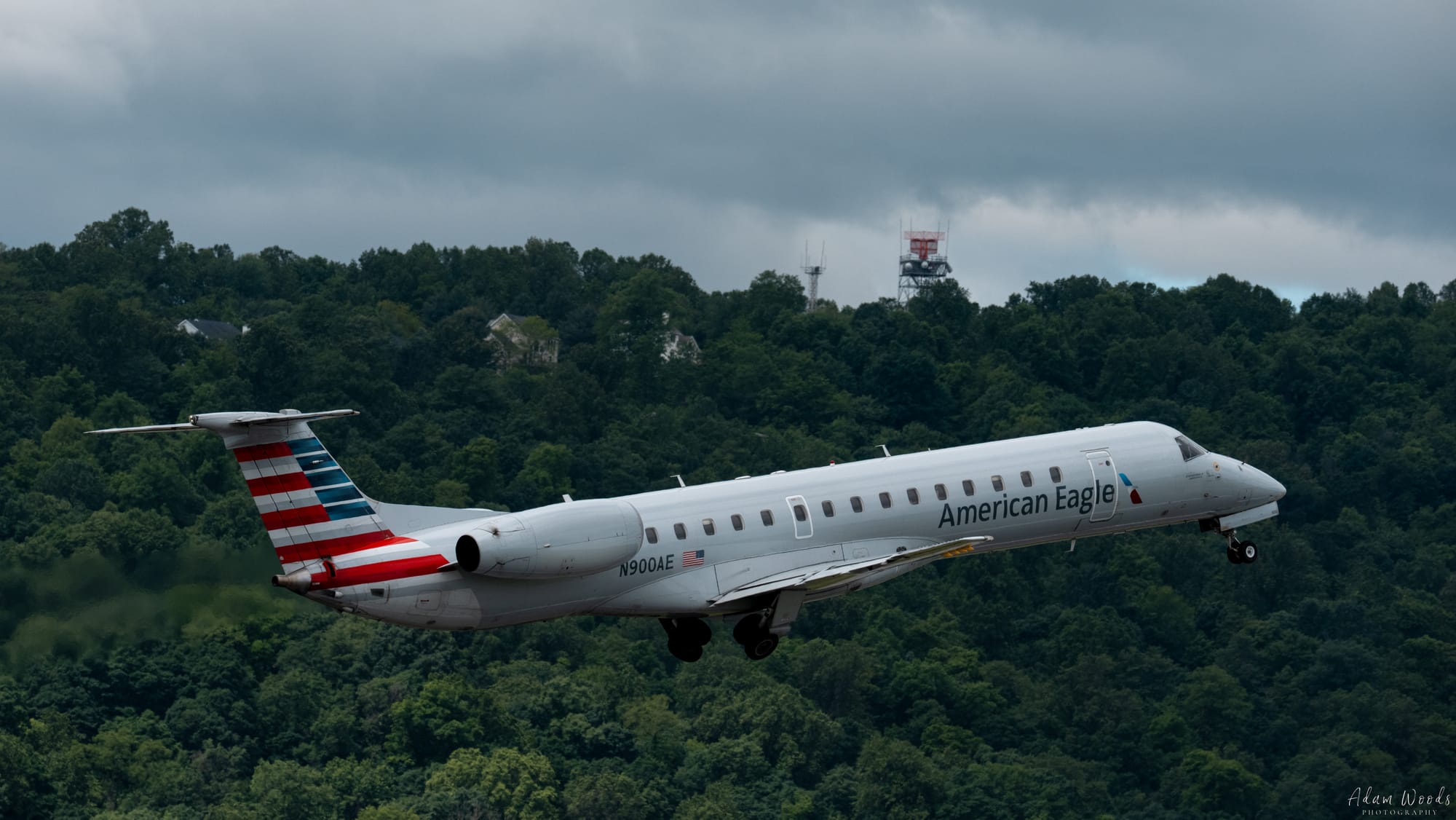
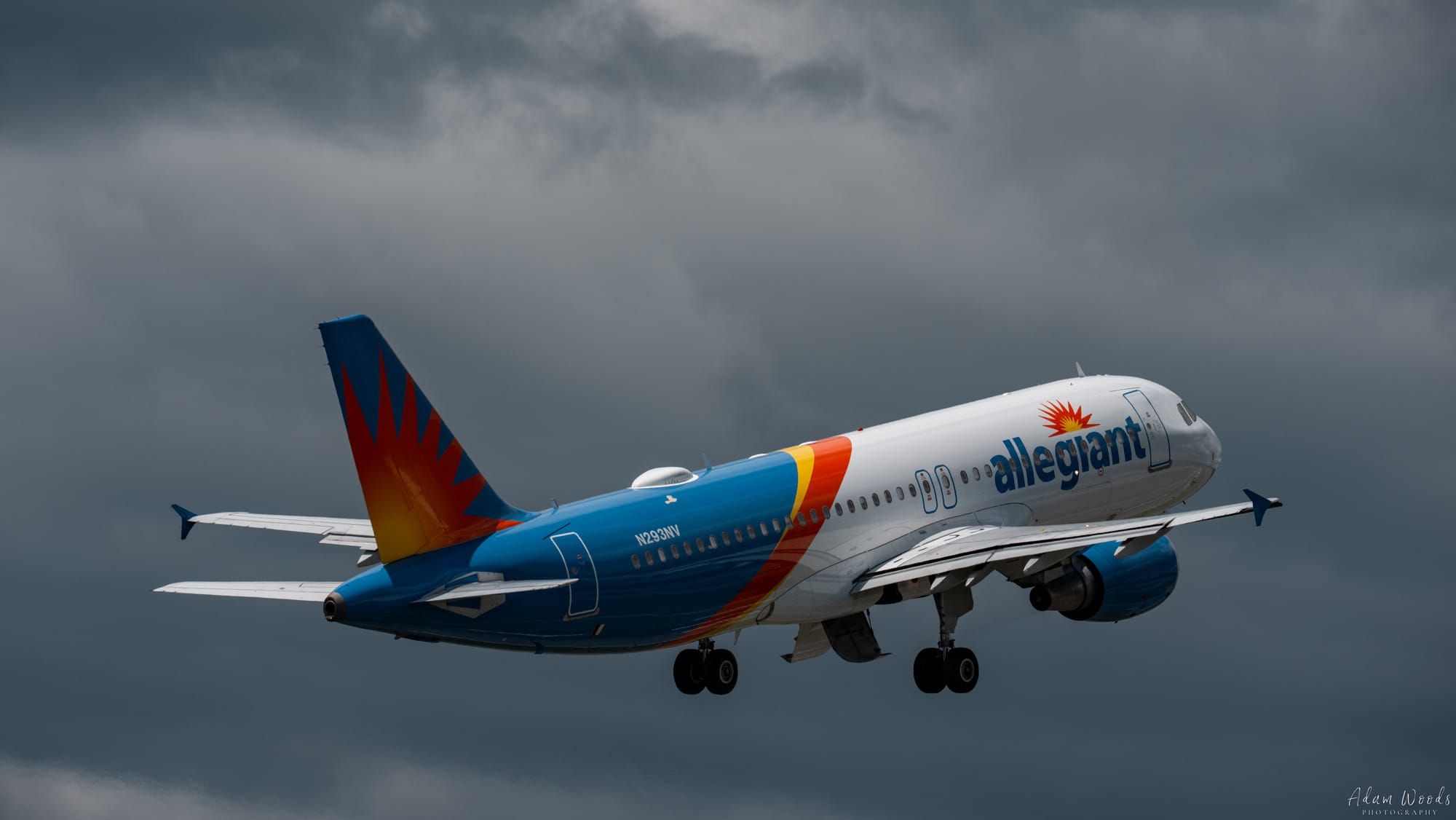
As the air show was taking place at Harrisburg International Airport, you might be wondering what happens with all of the flights that are scheduled. I learned the air traffic controllers work the flights in between the air show events. I am not sure if the airport reduces the schedule for the weekend or not, but the planes kept coming and going. As you can see below, the flights were operating as usual.
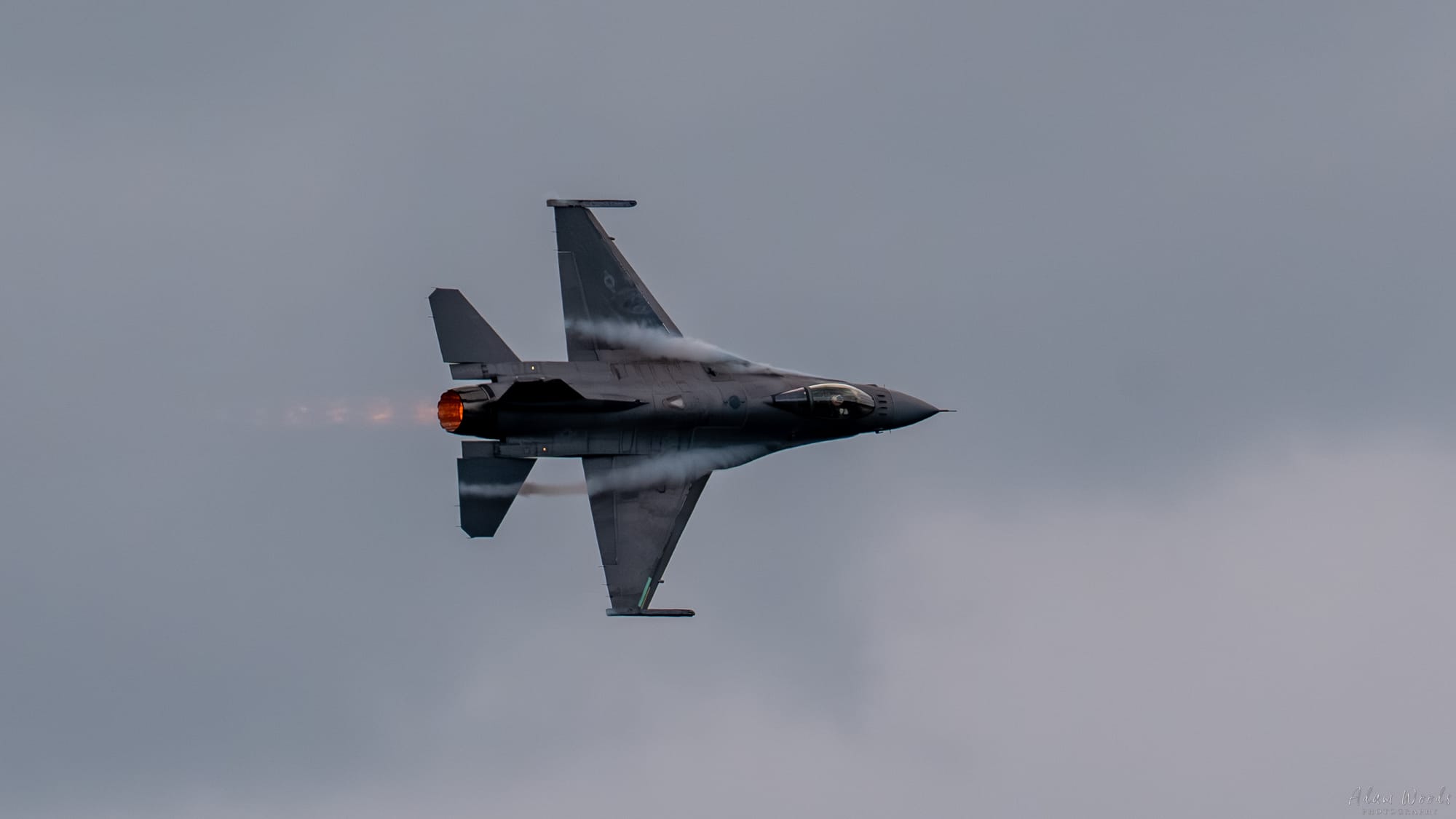
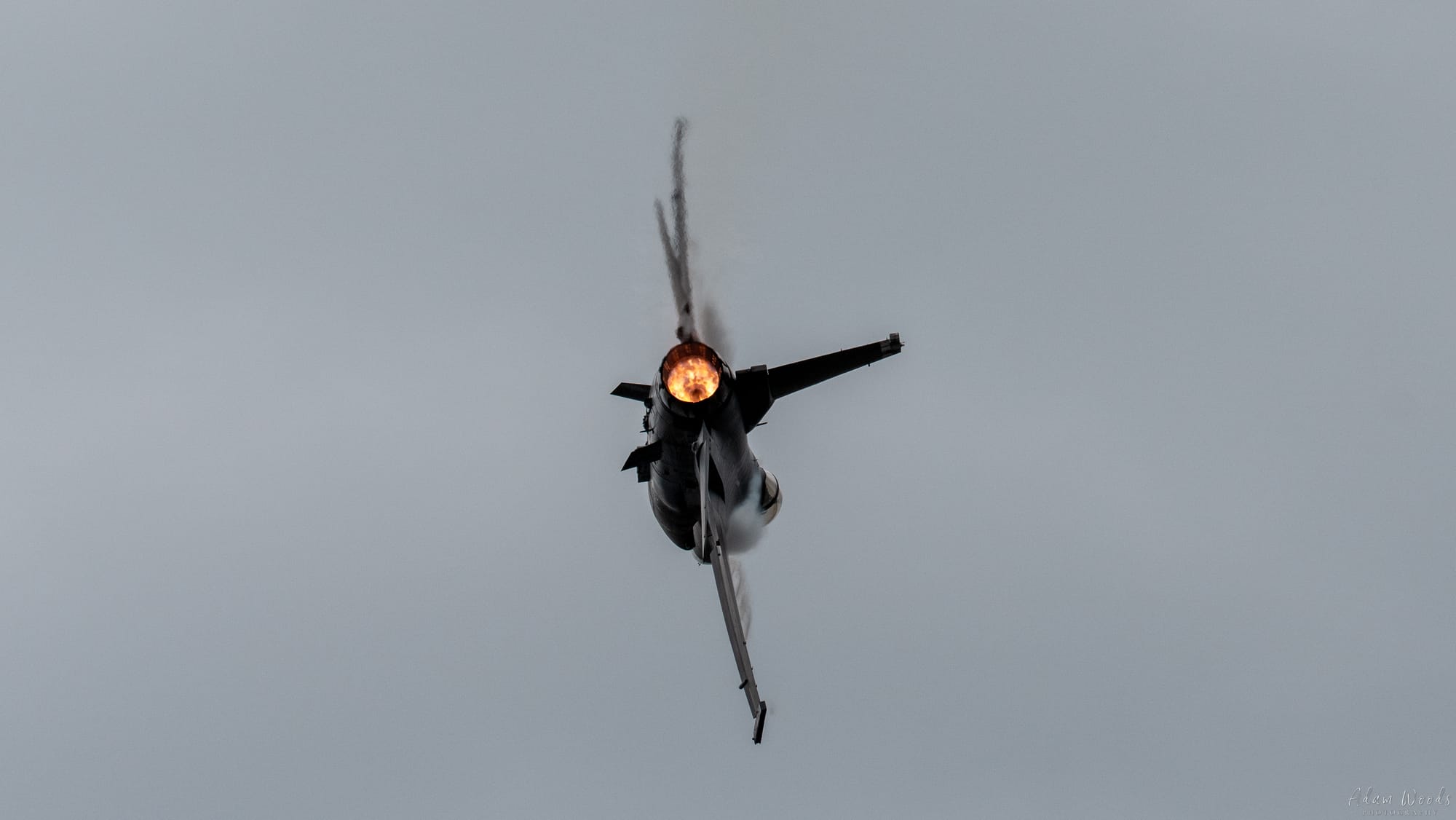
Next up was the first jet of the day, the F-16 Viper. The true name of the plane is a F-16 Fighting Falcon, and is another one of my favorite planes. When I was younger, I had planned to join the Air Force to become a pilot, hoping to fly one of these. The pilot of this plane, Major Taylor "FEMA" Hiester, looked awfully relaxed for a guy about to be pulling 9 G's at over 600 MPH.
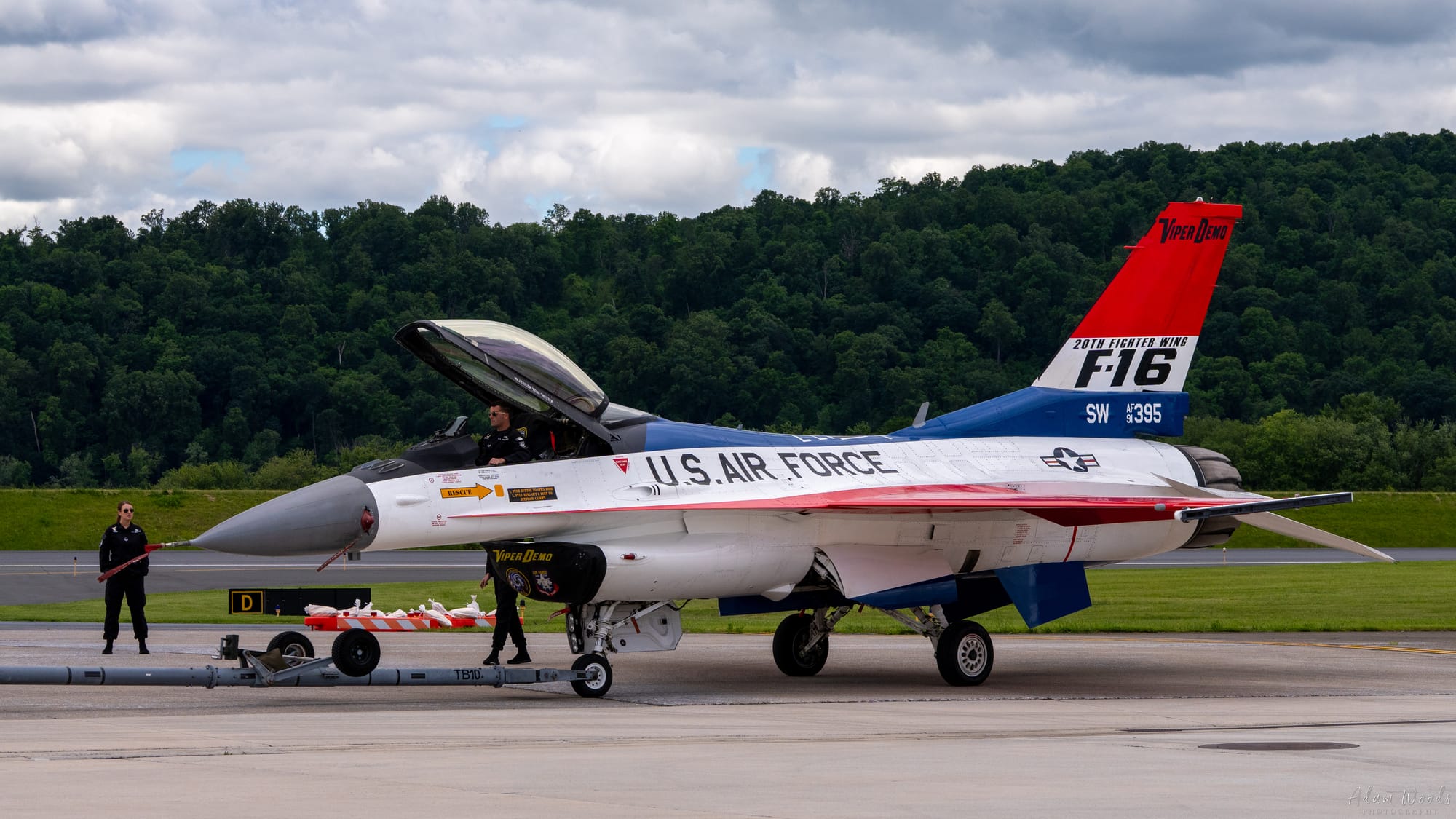
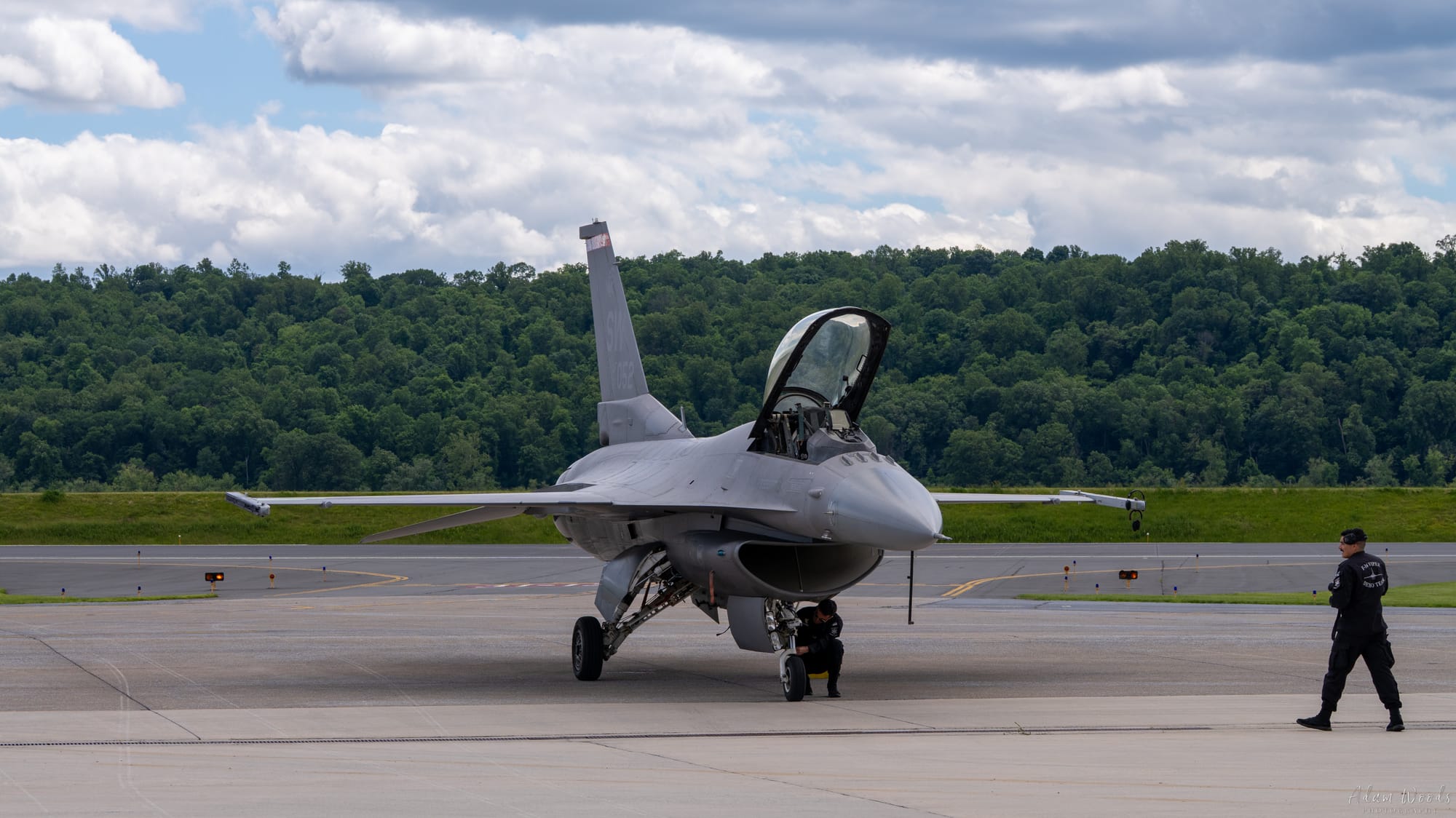
As the pilot started doing his checks on the plane, he kept starting the engine and having to shut it down. I immediately realized this is likely not a good sign. My intuition was right and he eventually exited the cockpit and moved over to the reserve F-16.
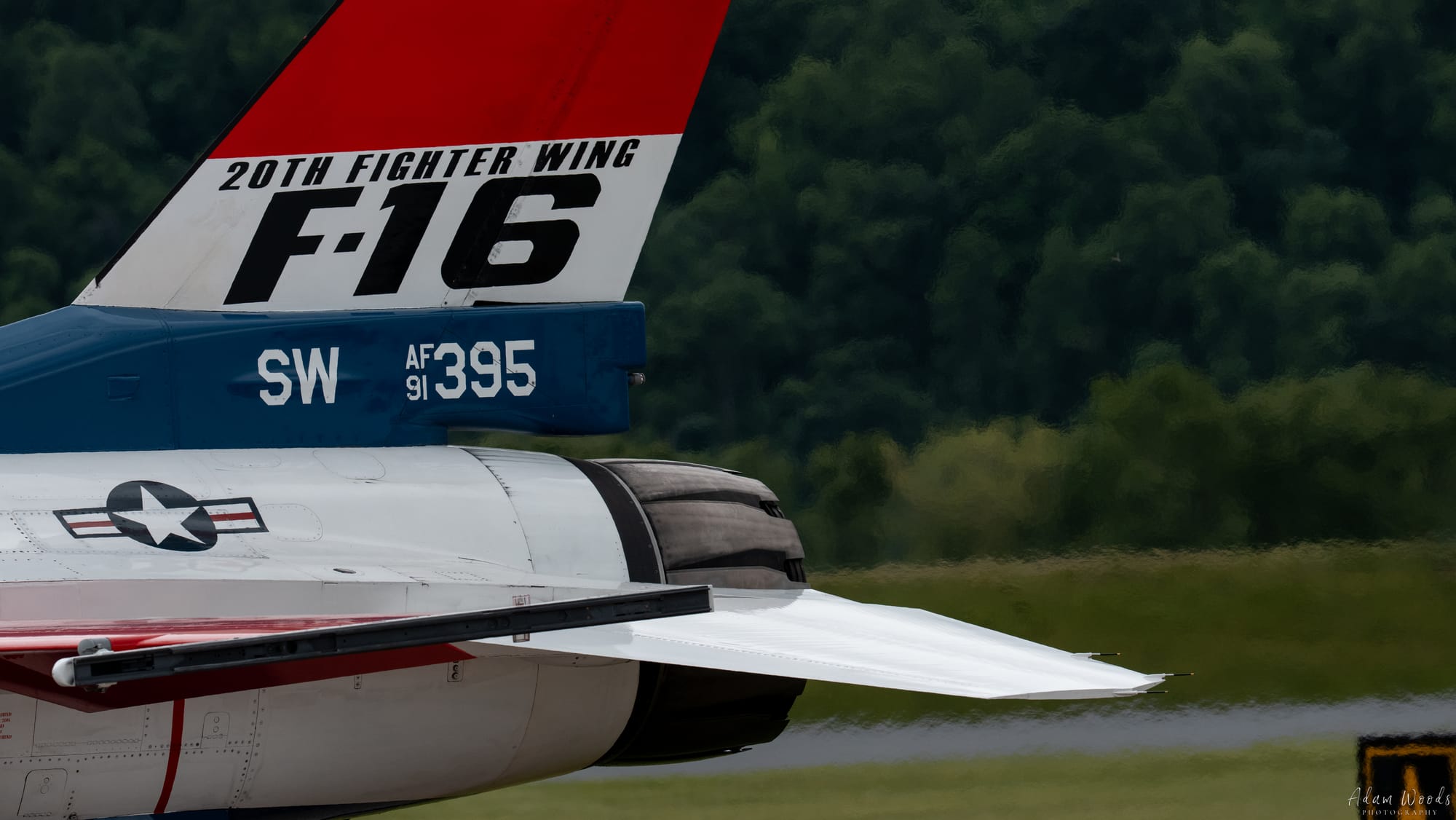
The demo F-16 was painted in a nice Red White and Blue scheme, but the backup plane was a standard military grey color. Despite the lack of color, the demo did not disappoint. Seeing the afterburner from the engine ignite the sky was amazing. The noise was insanely loud, and you could feel the power reverberate through your chest.
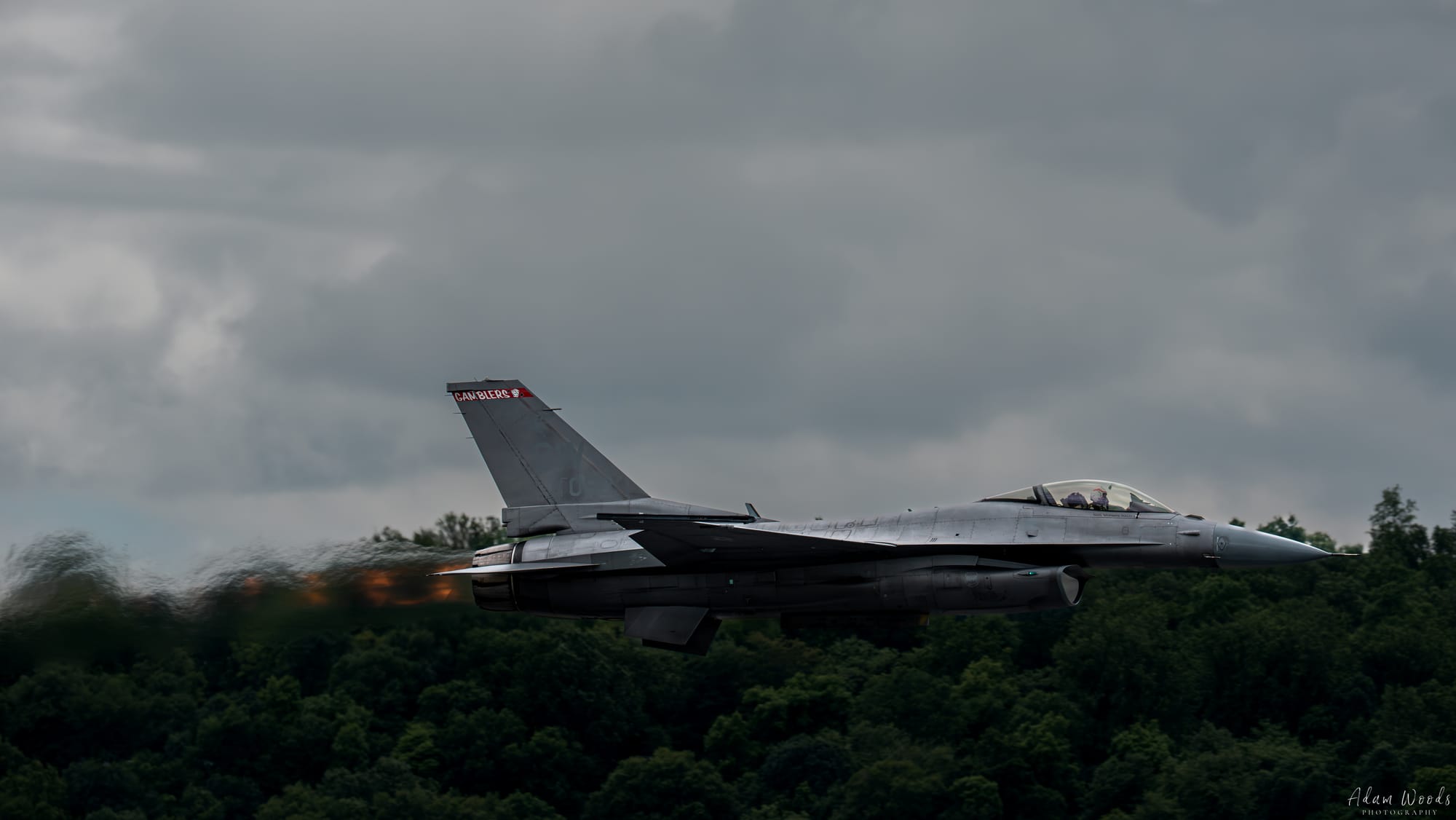
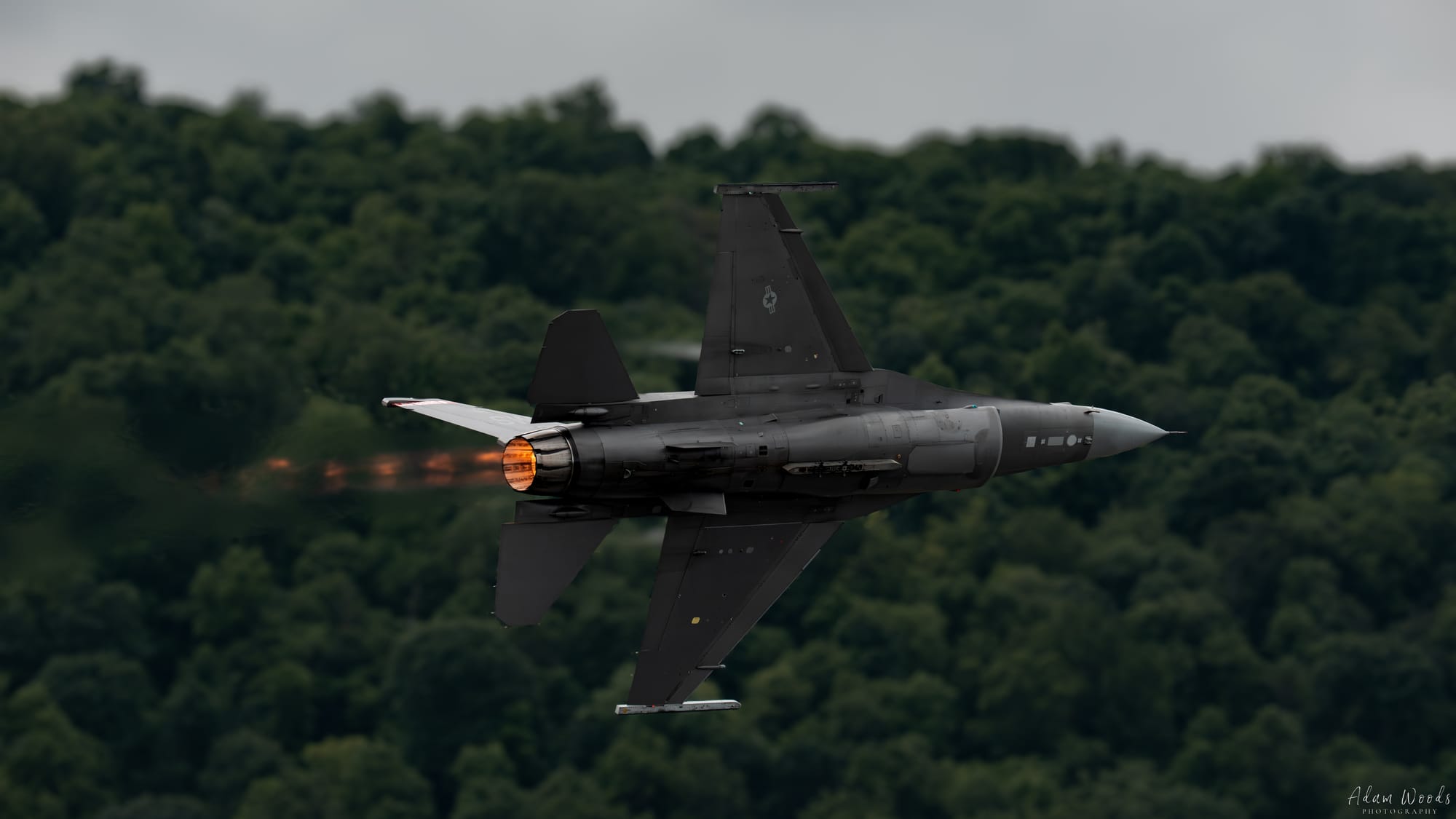
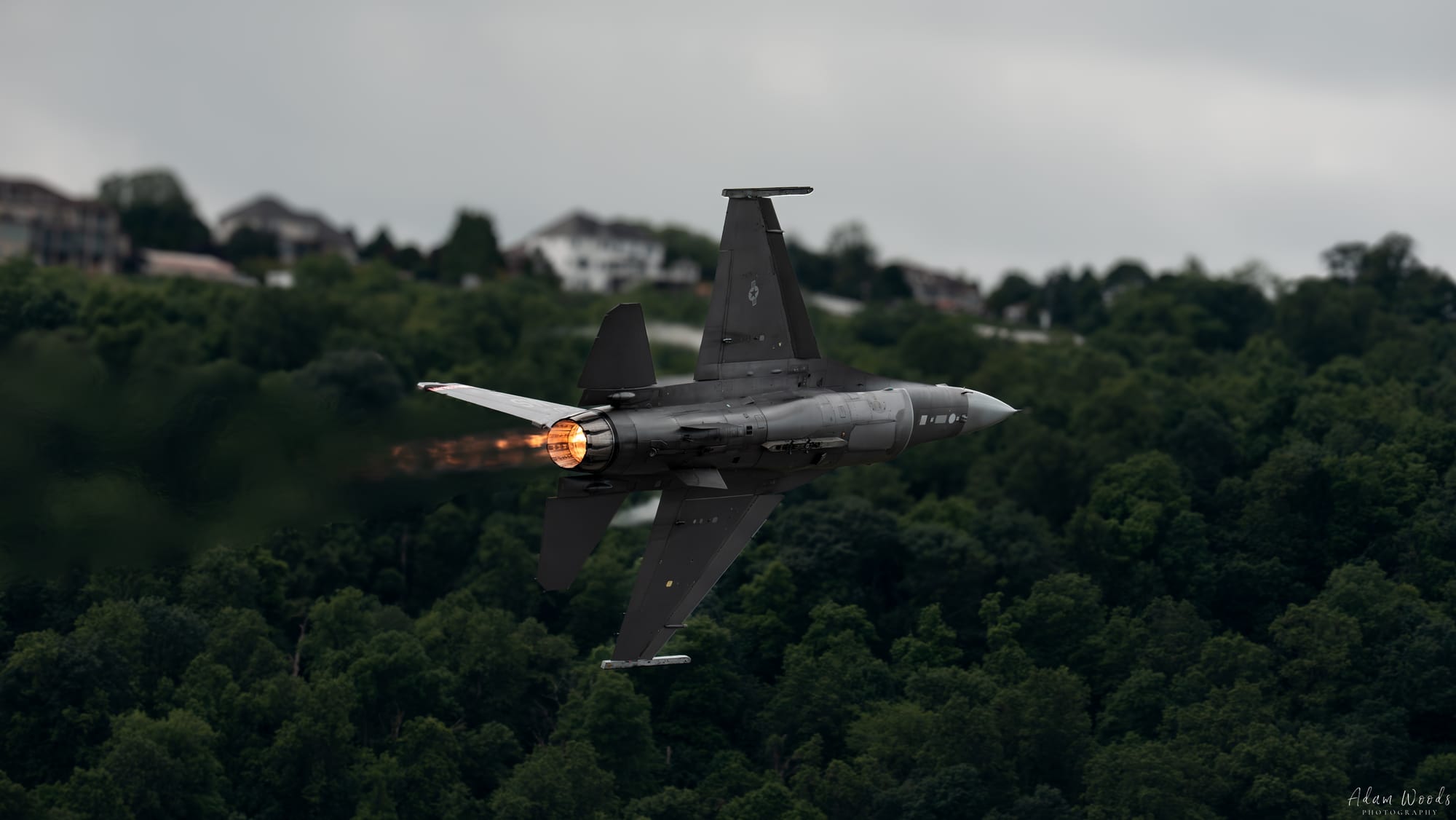
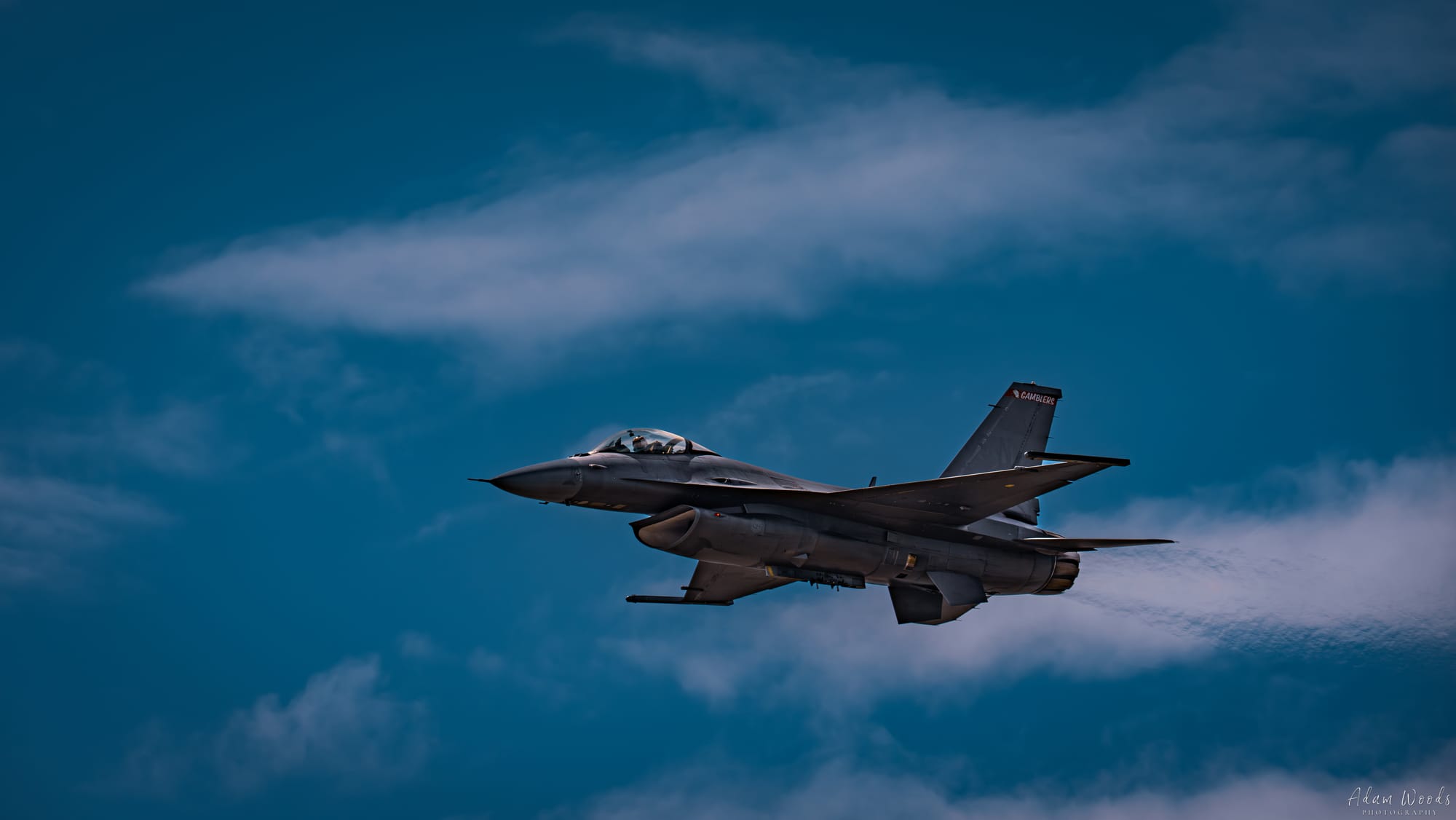
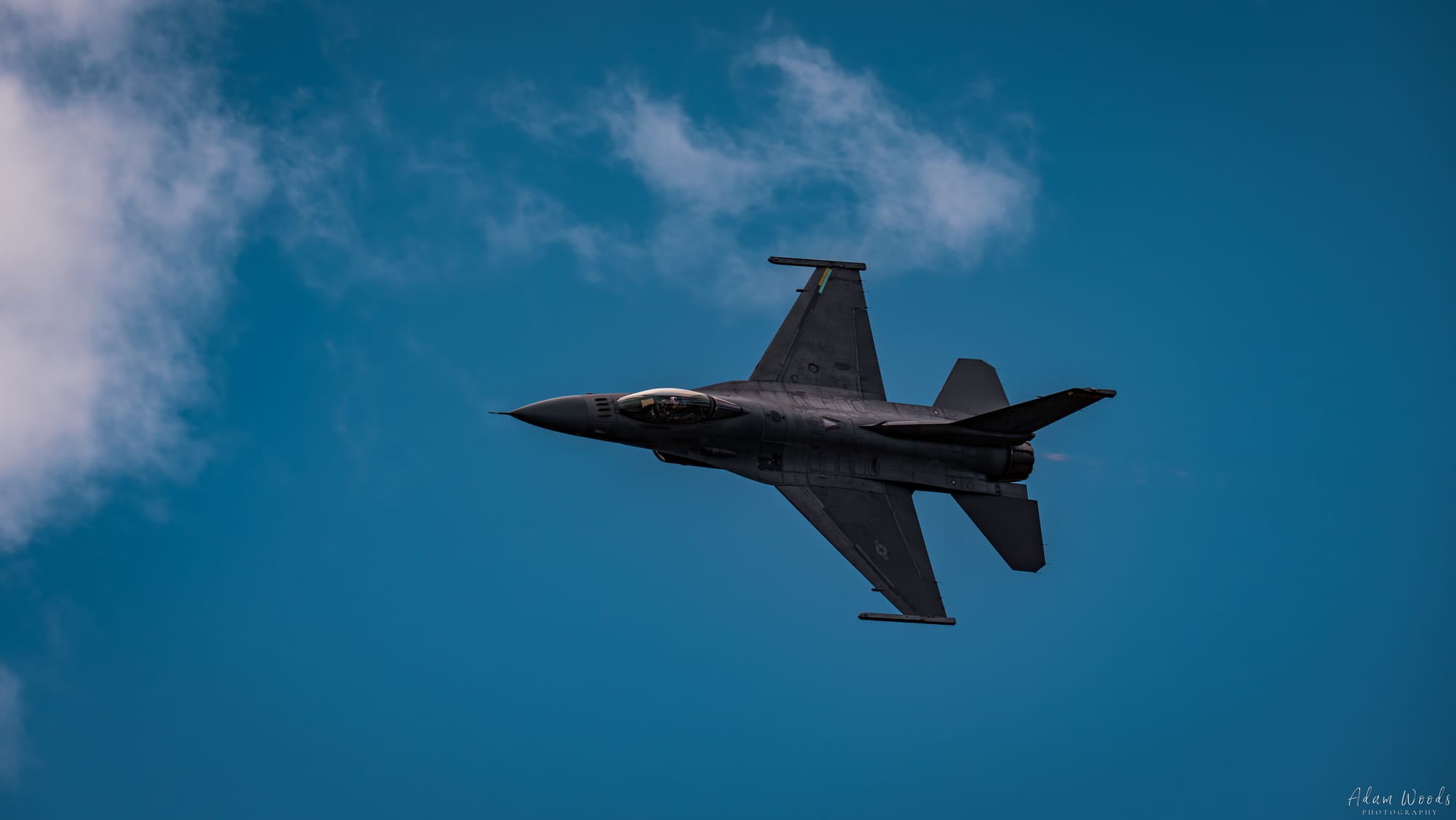
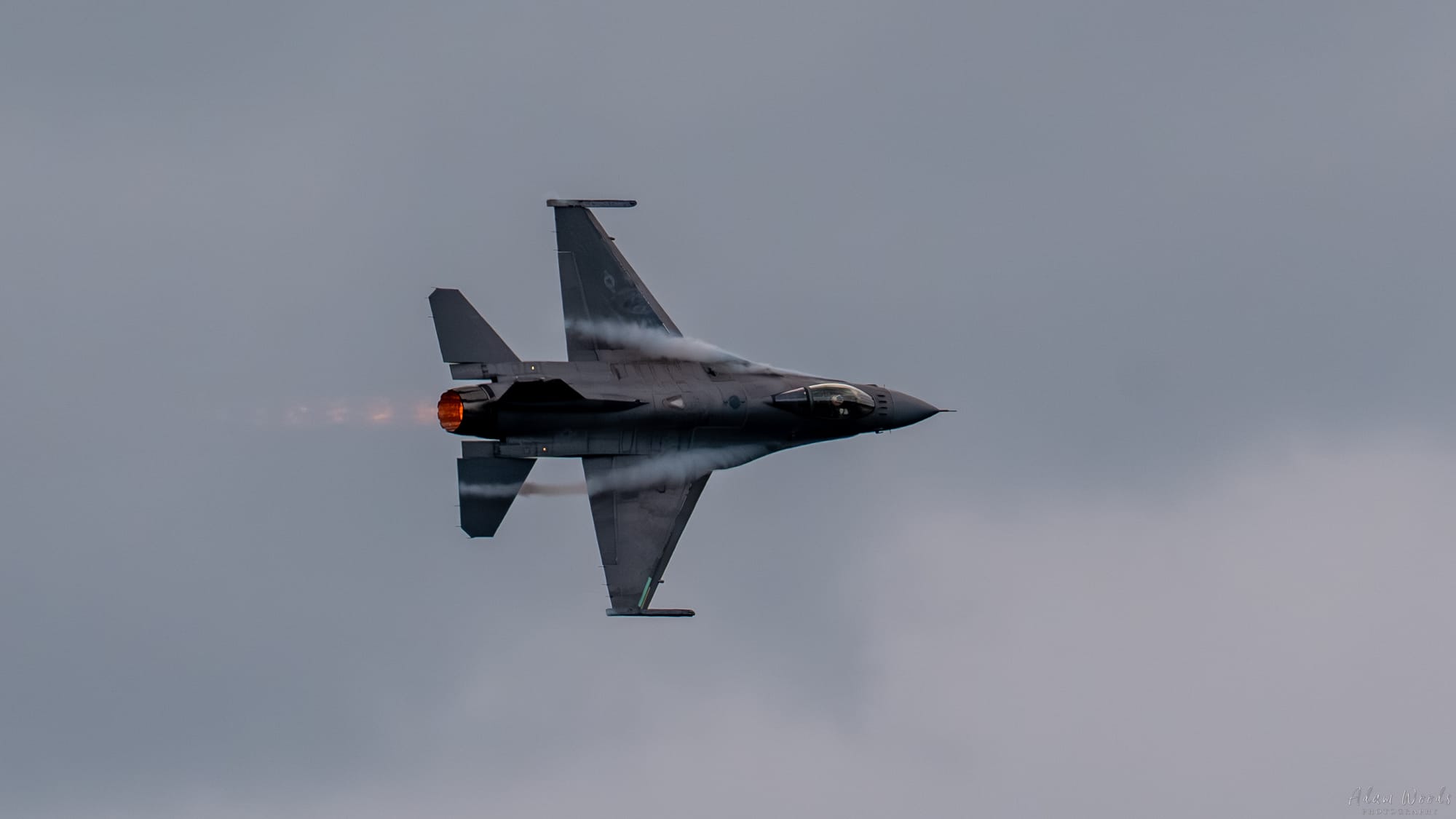
After the high speed maneuvering of the Viper was complete, a P-51 Mustang joined into the formation which made an awesome paring of elite planes, past and present. This was part of an Air Force Heritage Flight.
The U.S. Air Force Heritage Flight is a breathtaking spectacle where history and innovation soar side by side, as legendary warbirds like the P-51 Mustang and P-38 Lightning join forces with today’s most advanced fighters—the F-22 Raptor, F-35 Lightning II, and F-16 Viper—in a powerful tribute to American airpower.
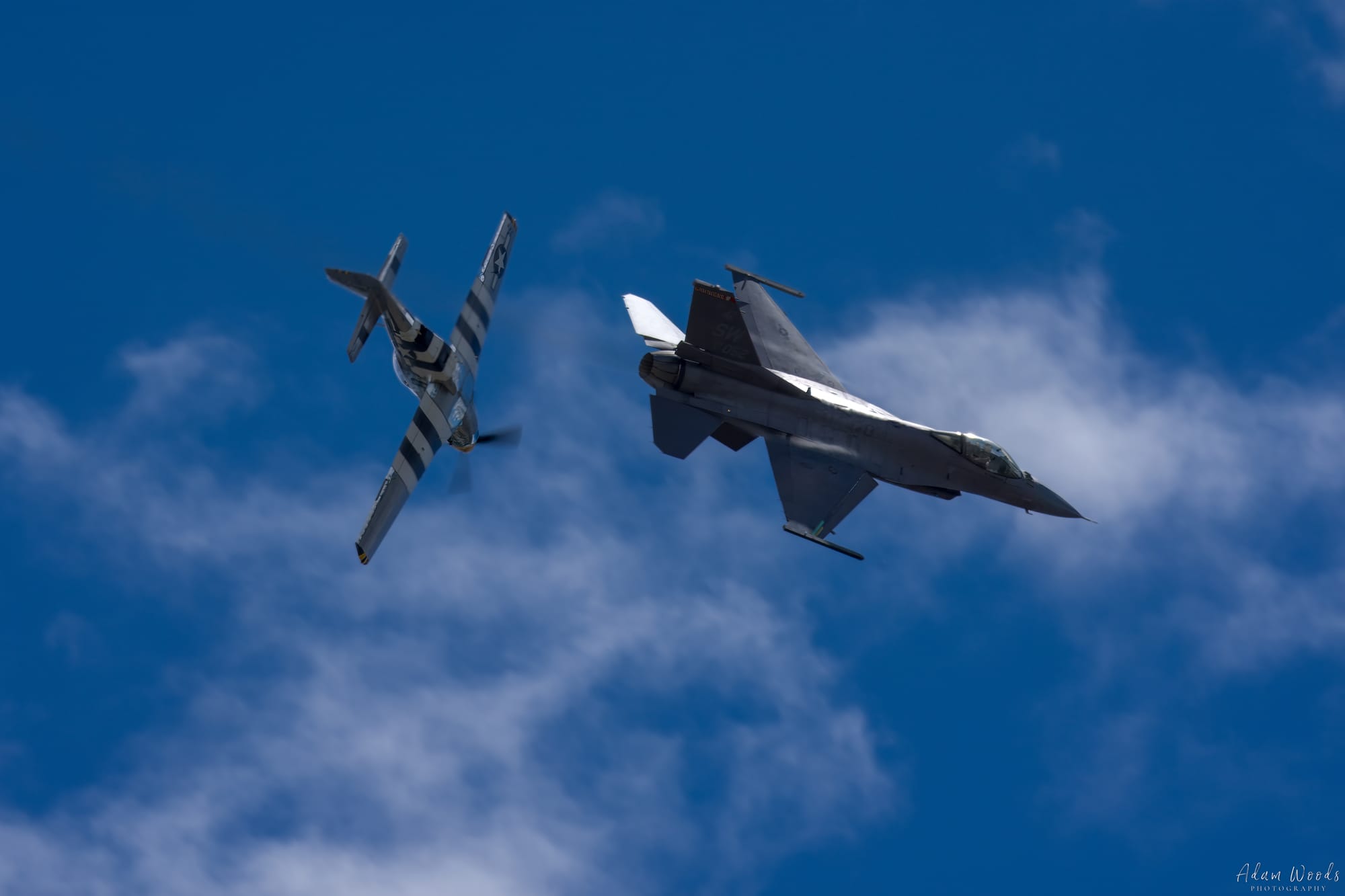
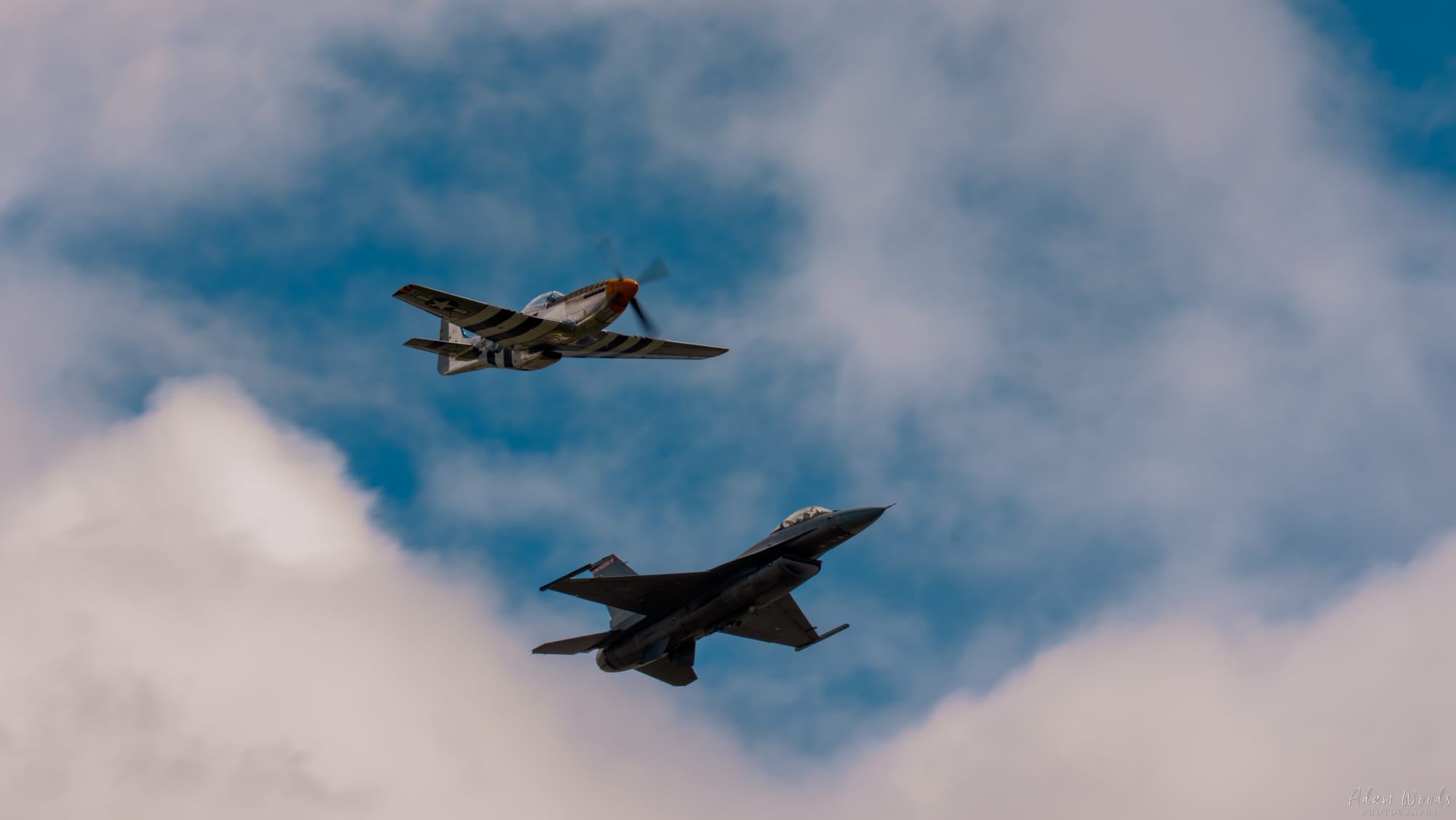
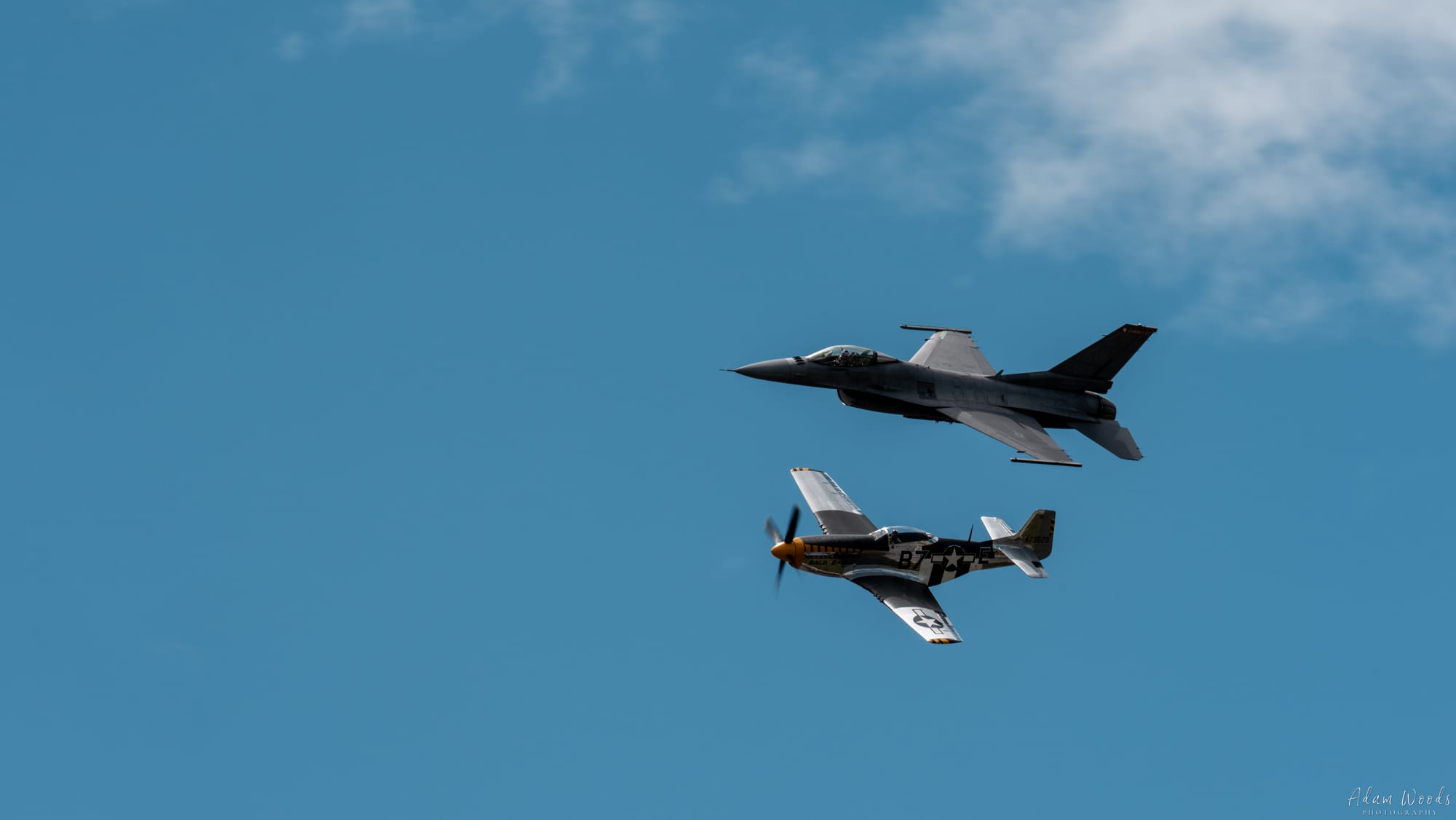
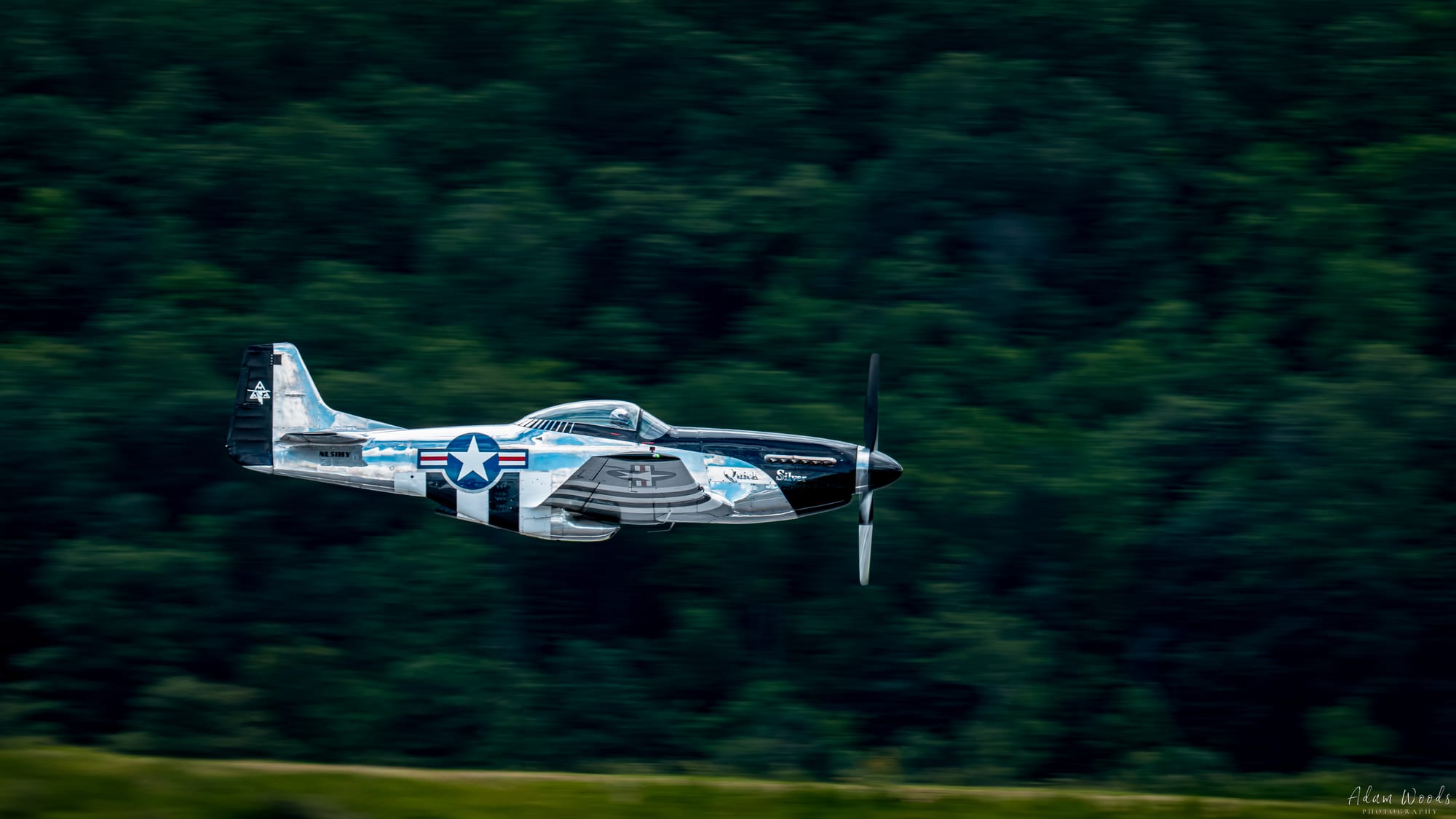
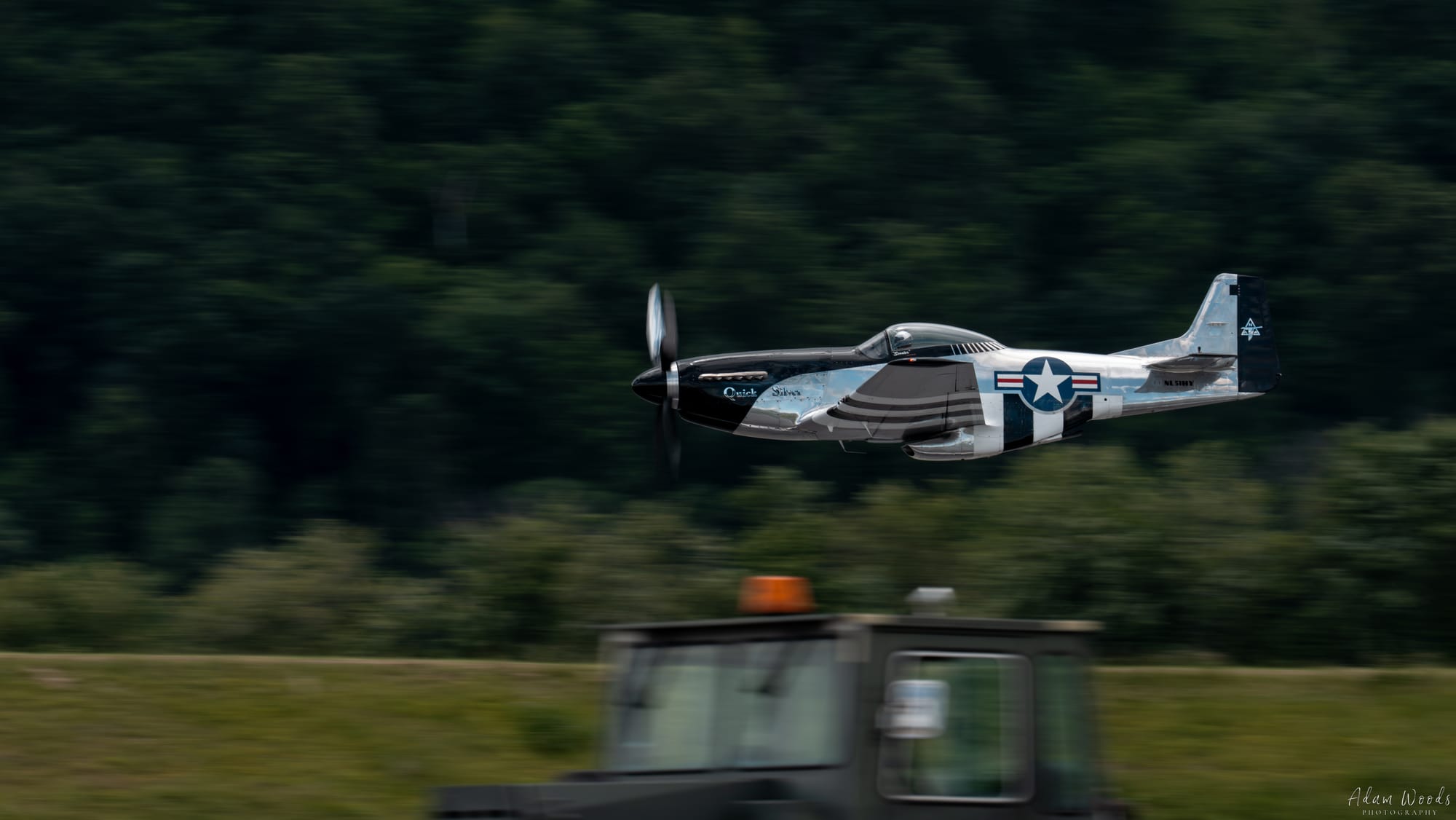
This wasn’t the only P-51 of the day. A solo demo was performed by Scooter Yoak in a P-51D Mustang named Quick Silver.
Quick Silver was the dream of Father and son team Bill and Scooter Yoak. Quick Silver was built from over 200 Mustang parts and projects. It stands now as a tribute to our veterans.
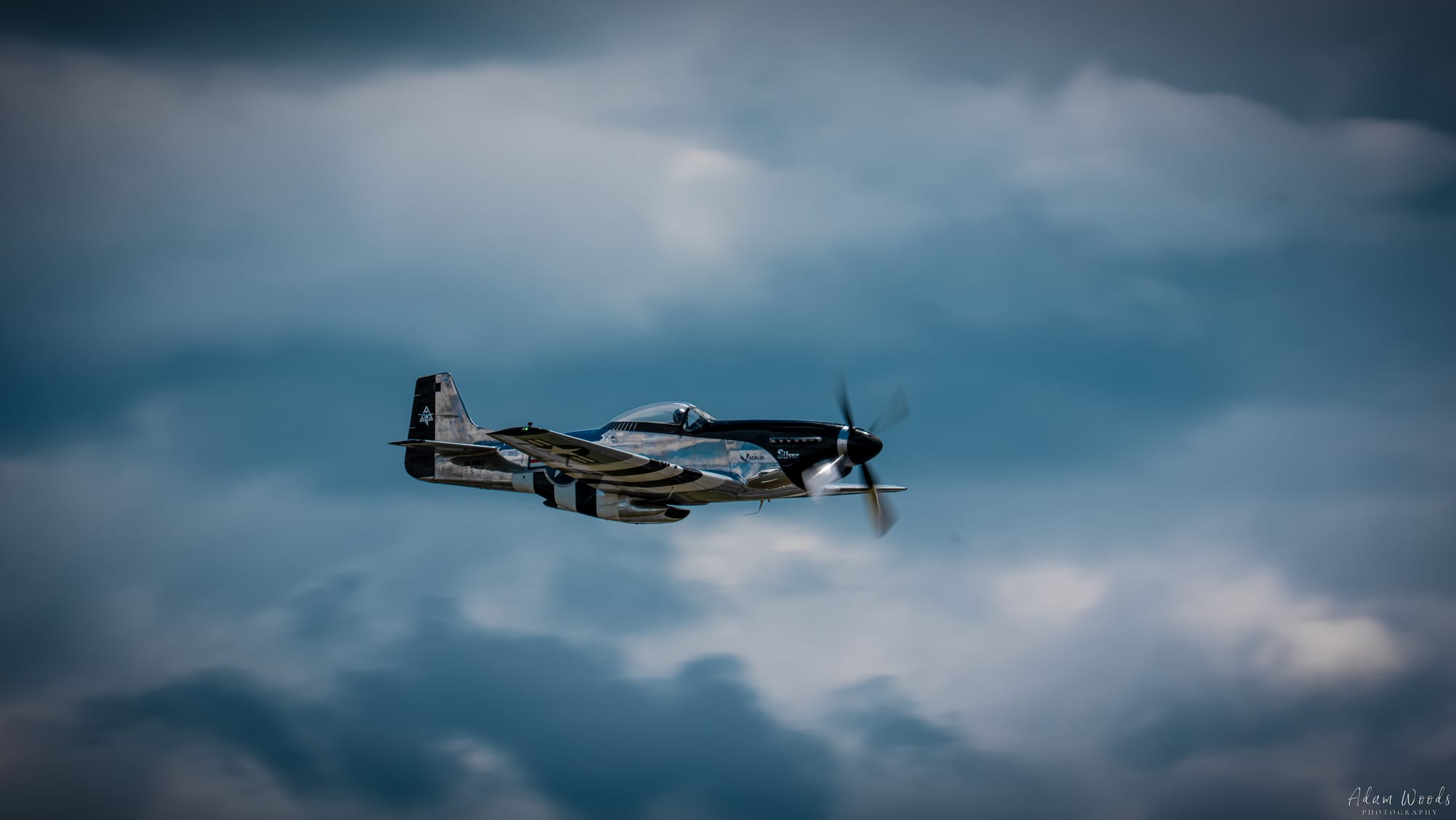
To give you an idea of just how close to the runway the aircraft can fly in this show, take a look at these photos of Scooter nearly mowing the grass.
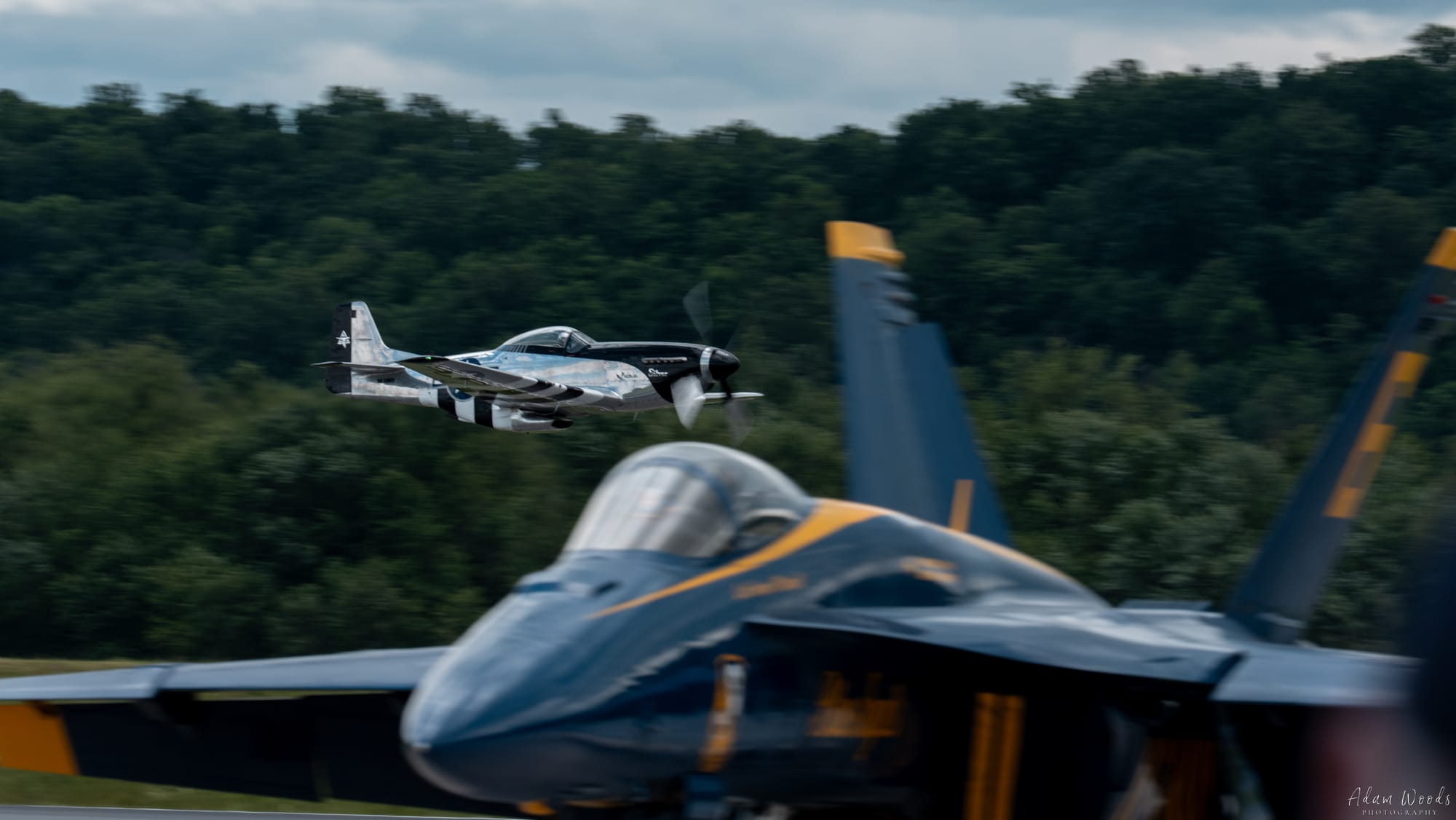
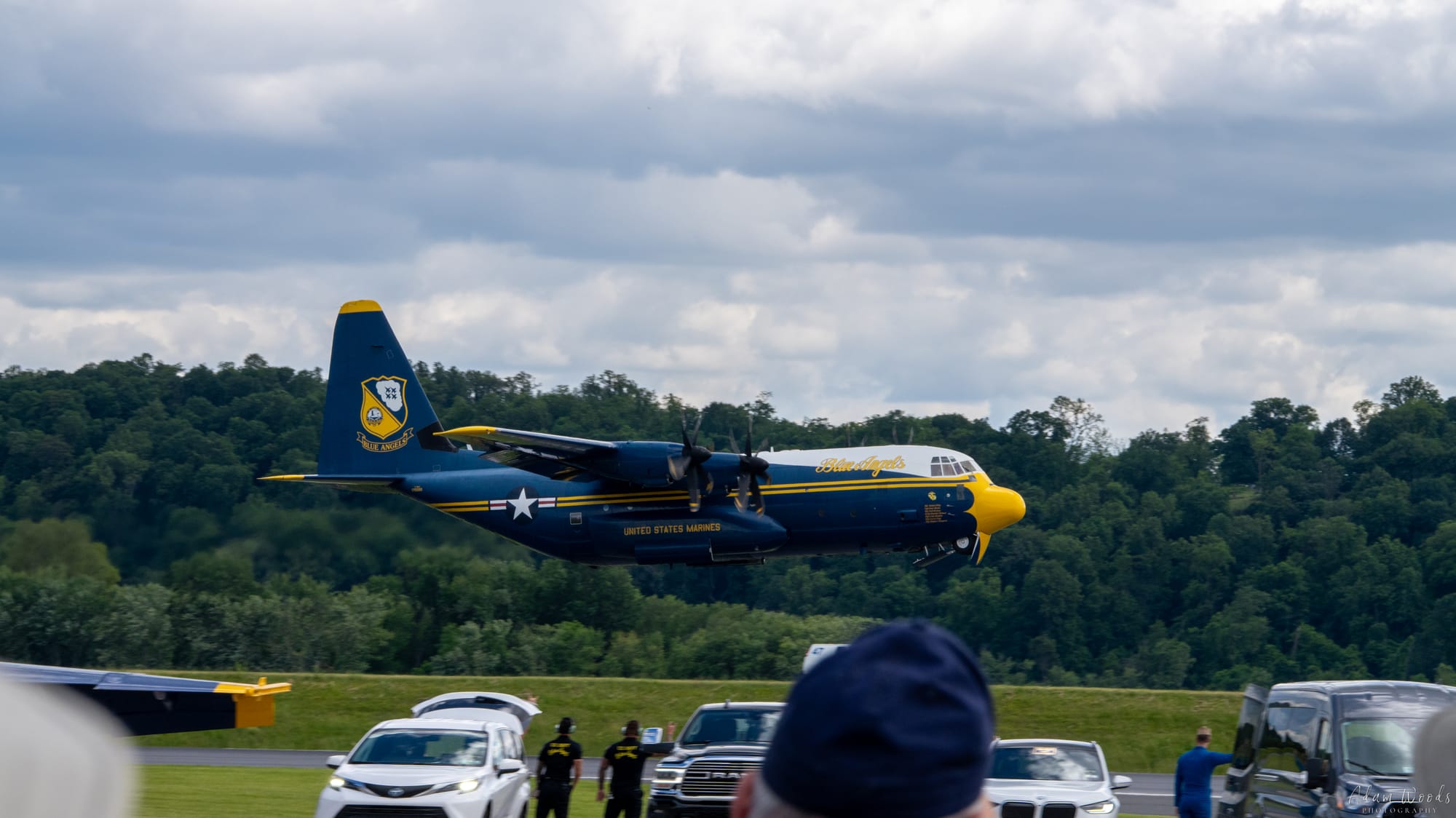
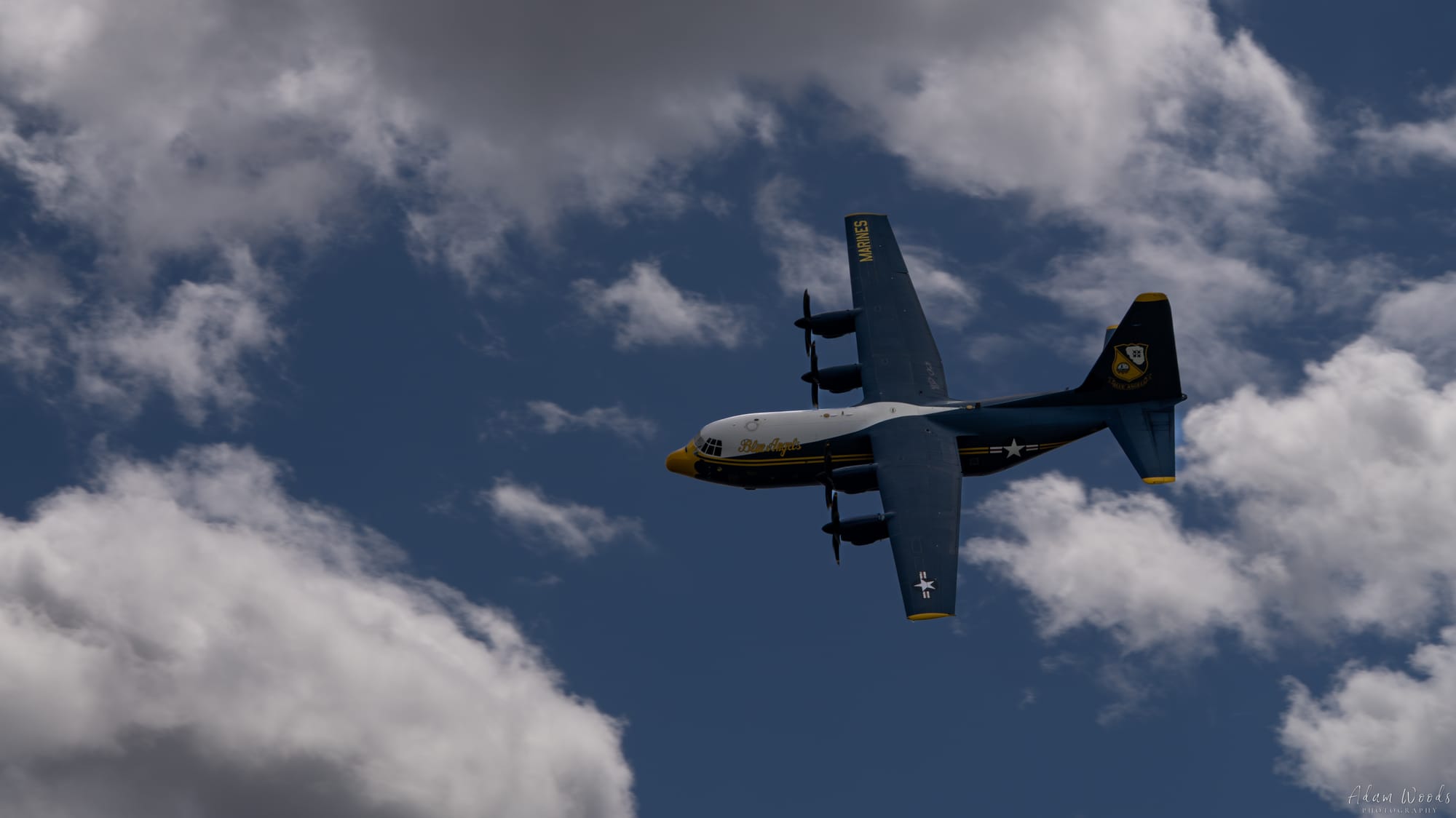
The time has finally come for the main attraction, The Blue Angels. The pilots were starting the engines and beginning to taxi. As the F/A-18 Super Hornets taxied their way into position on the runway, the show kicked off with Fat Albert taking off.
Fat Albert, the Blue Angels' iconic C-130J Super Hercules, serves as both a logistical workhorse and an impressive aerial performer. Painted in the striking blue and yellow colors synonymous with the team, Fat Albert kicks off the Blue Angels' show with a demonstration that defies expectations for such a large aircraft. Despite its size, Fat Albert showcases remarkable agility and power, performing steep takeoffs, sharp banking turns, and rapid climbs that highlight the capabilities of this versatile transport plane. Fat Albert is entirely crewed by US Marines.
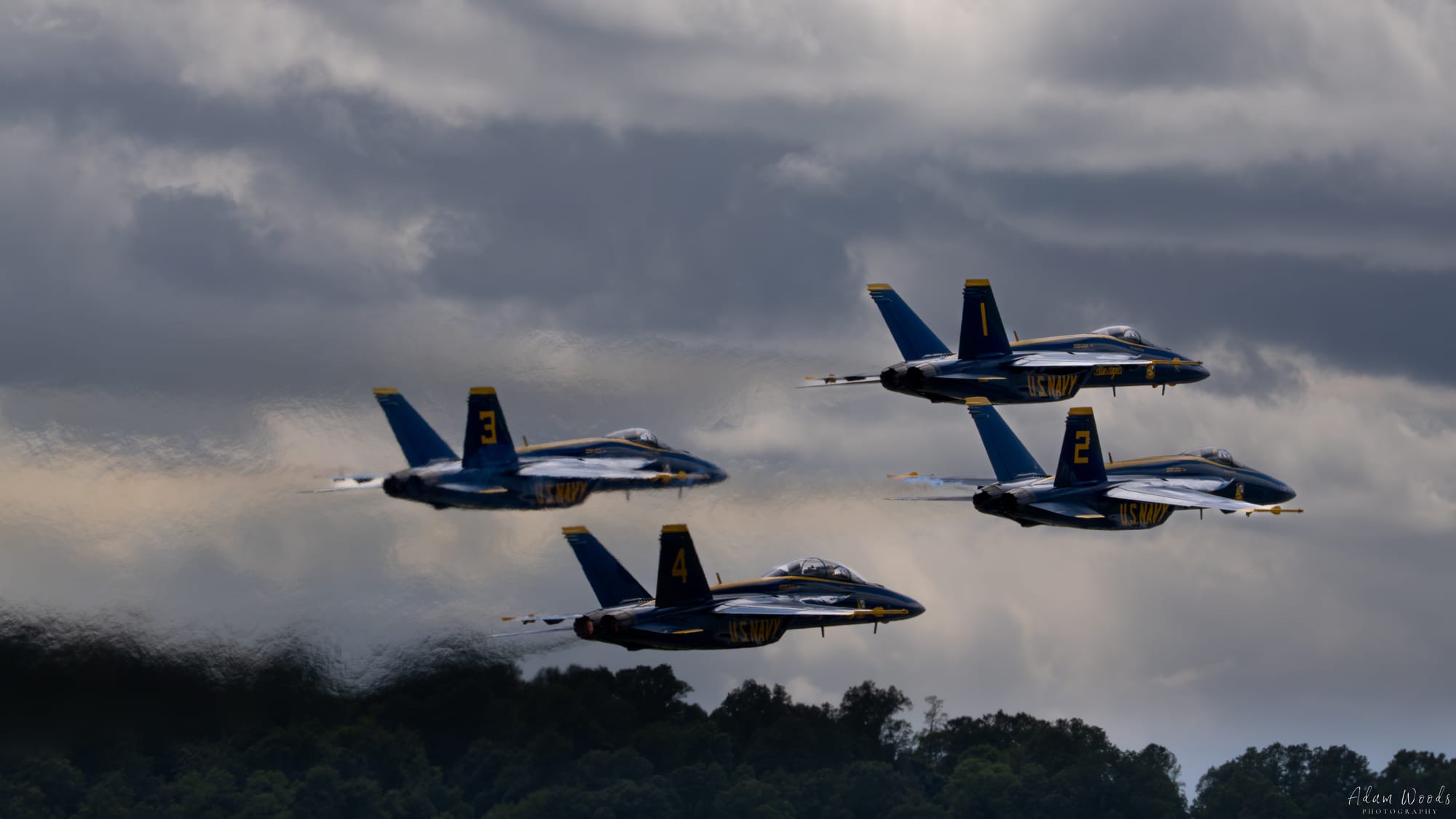
After Fat Albert landed, the six F/A-18 Super Hornets took to the sky in dramatic fashion. Four taxied to our left and two taxied to our right. The four on the left started the show taking off in formation.
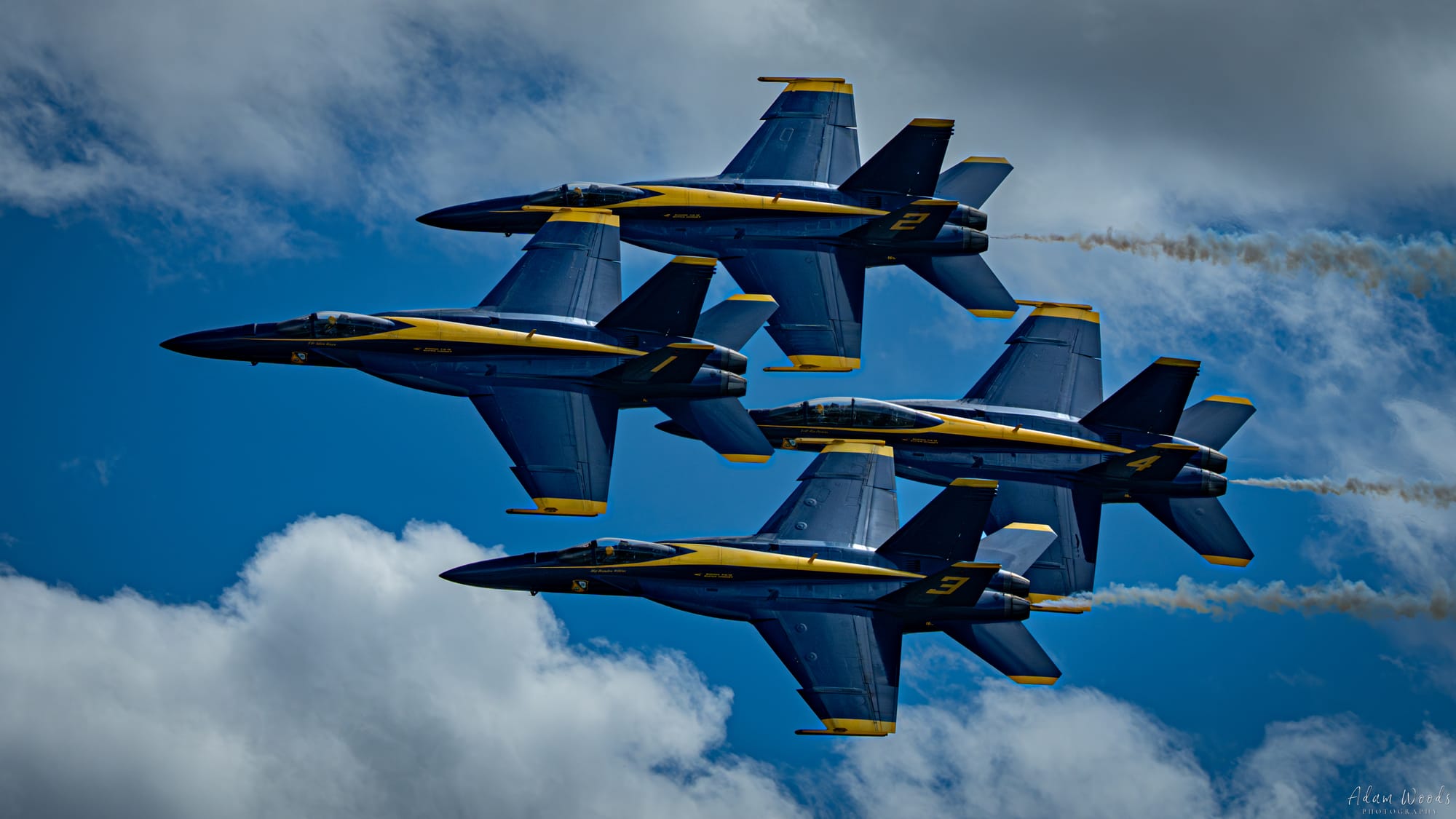
The Blue Angels are known for their formations, most notably the diamond and delta formations. It was a pretty windy day, so much so the parachute team that was supposed to open the show couldn’t jump because of the winds. Despite the high winds, the Blue Angels formations were very tight.
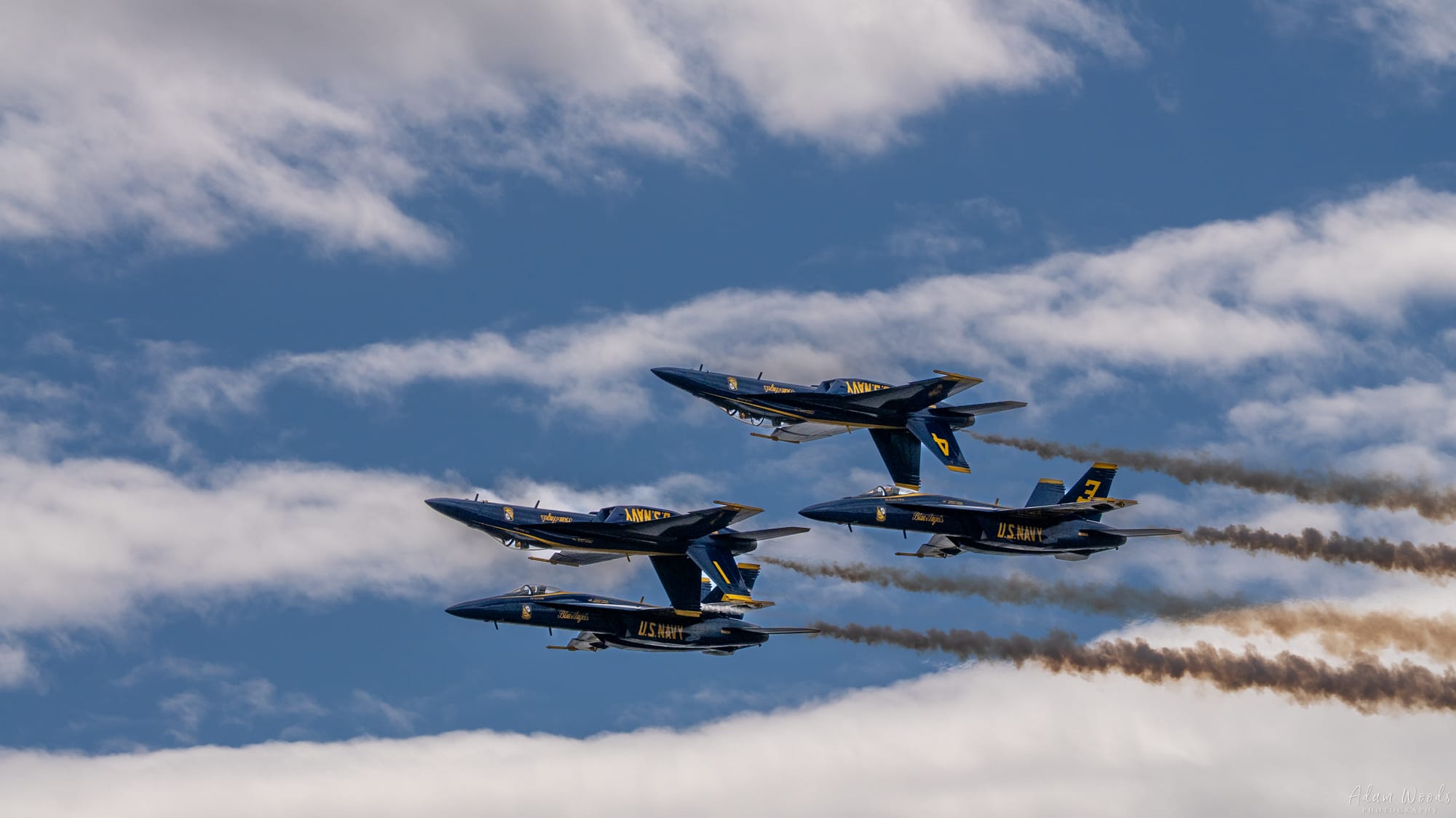
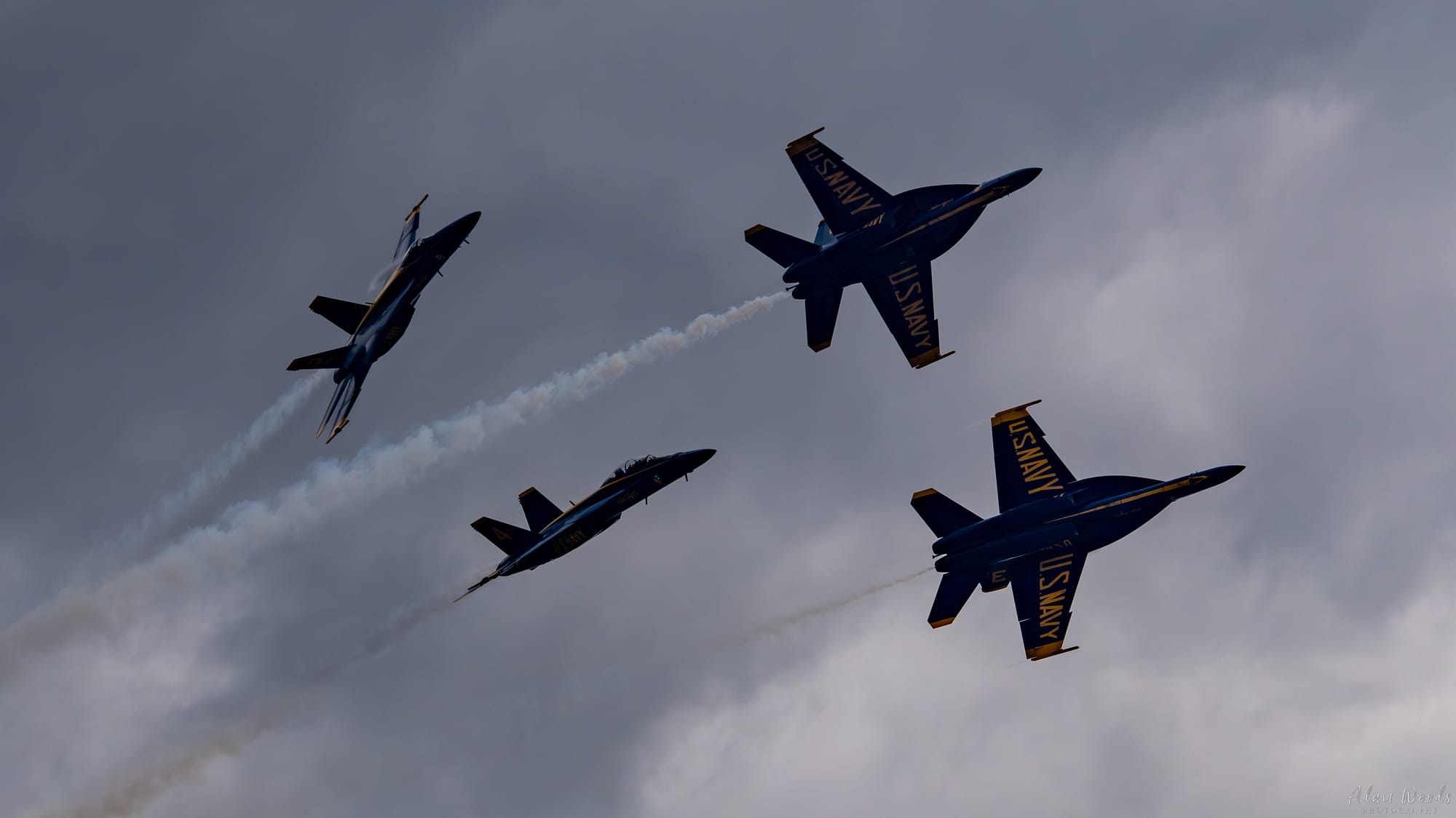
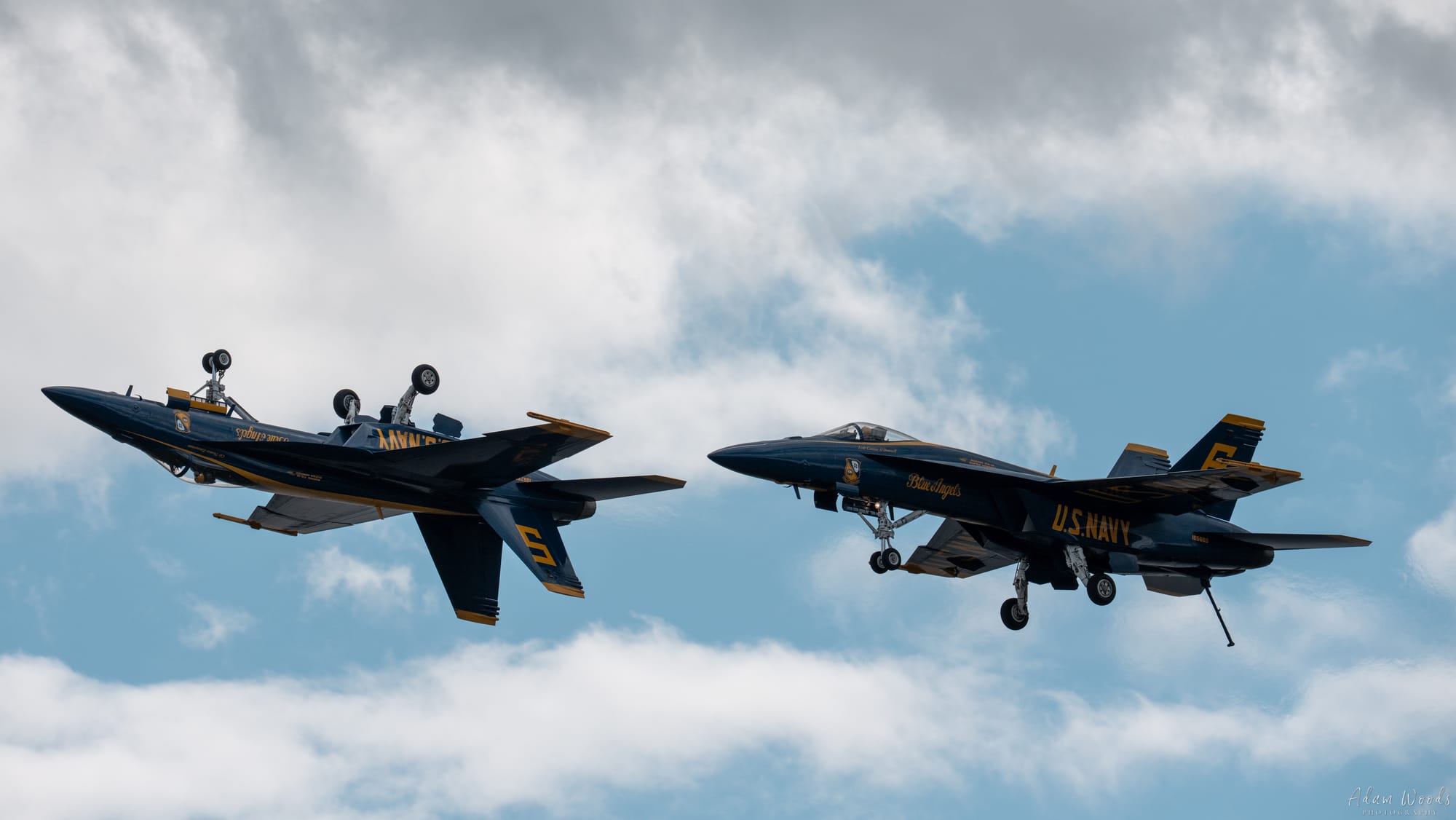
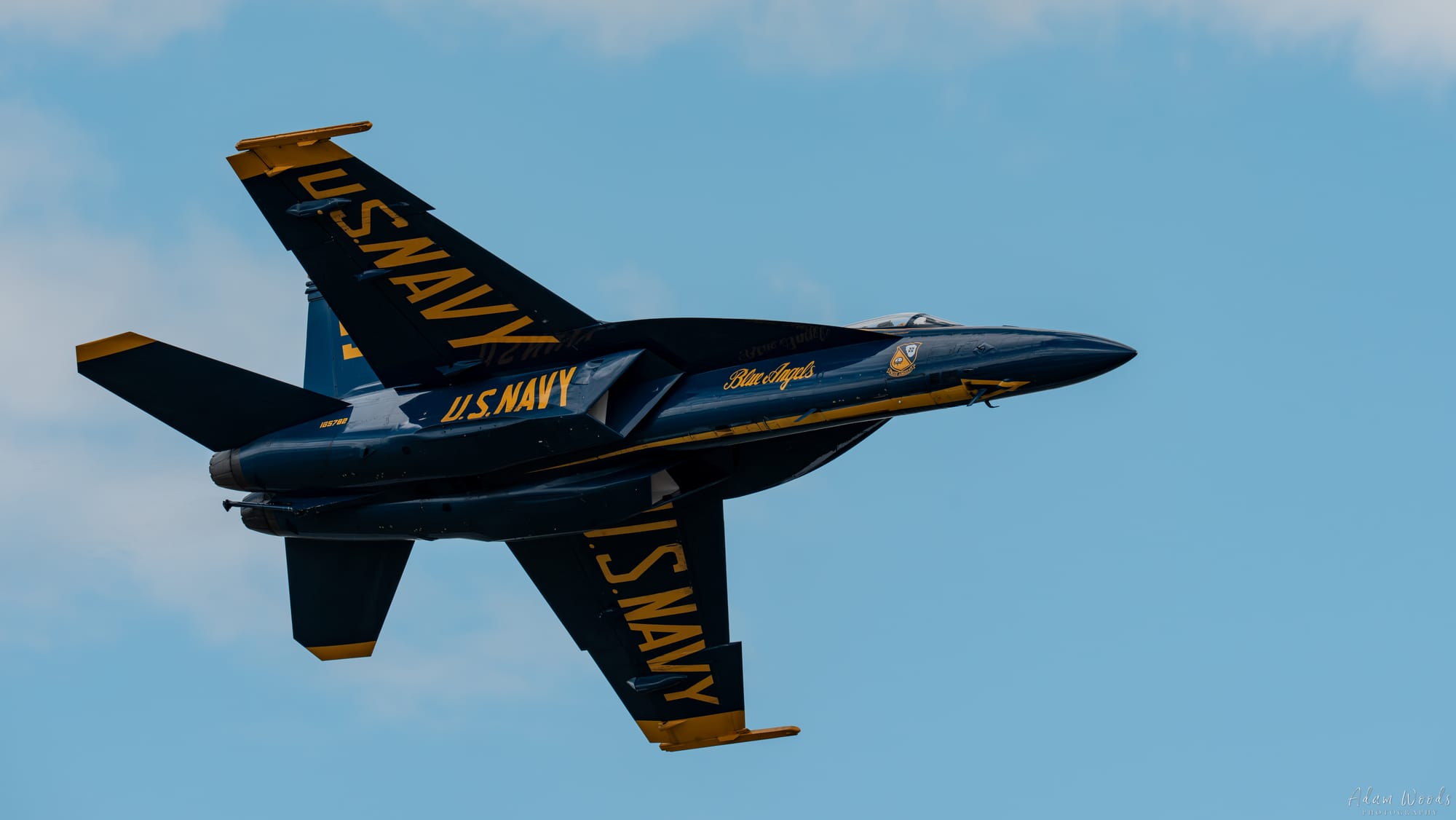
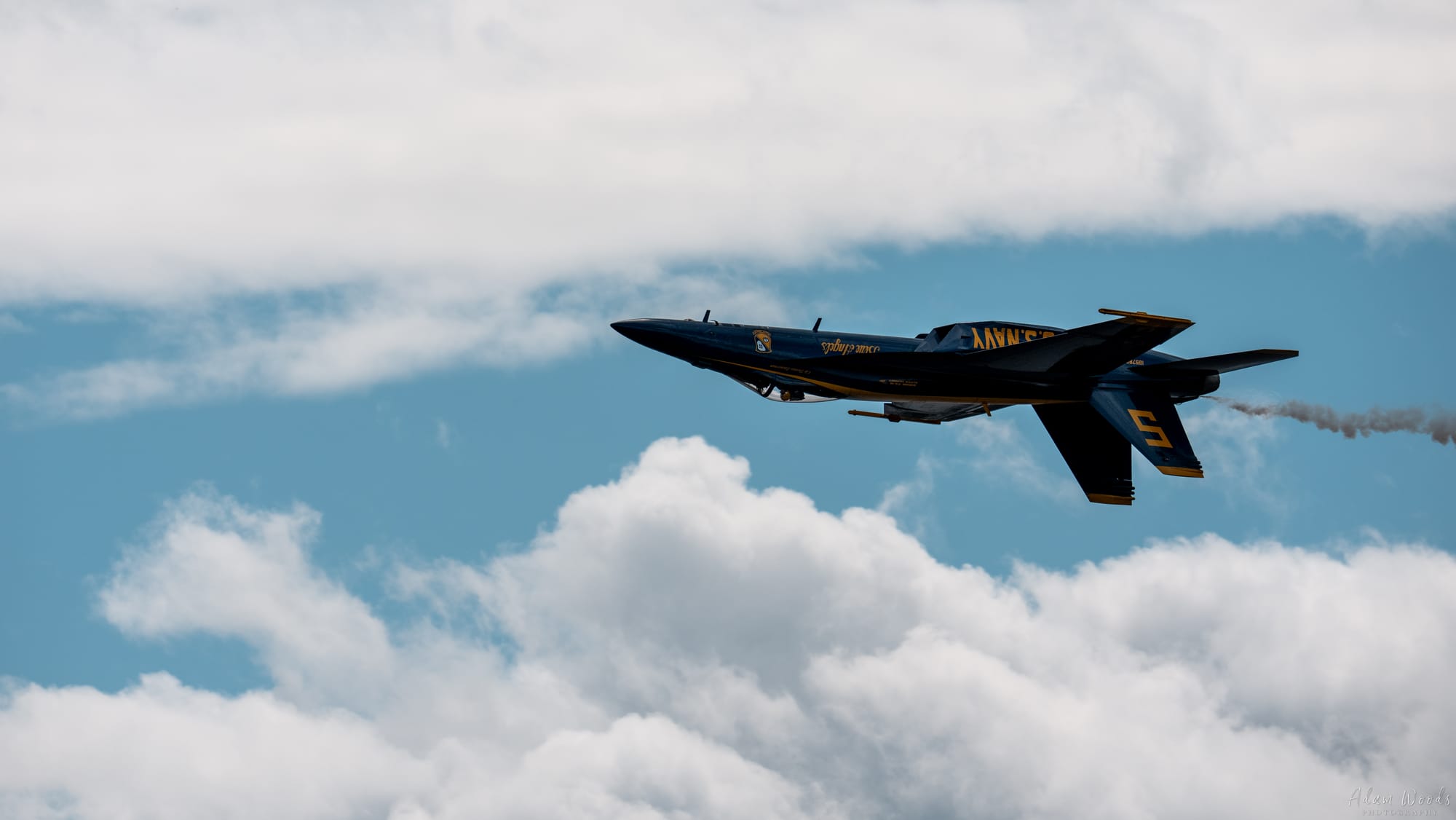
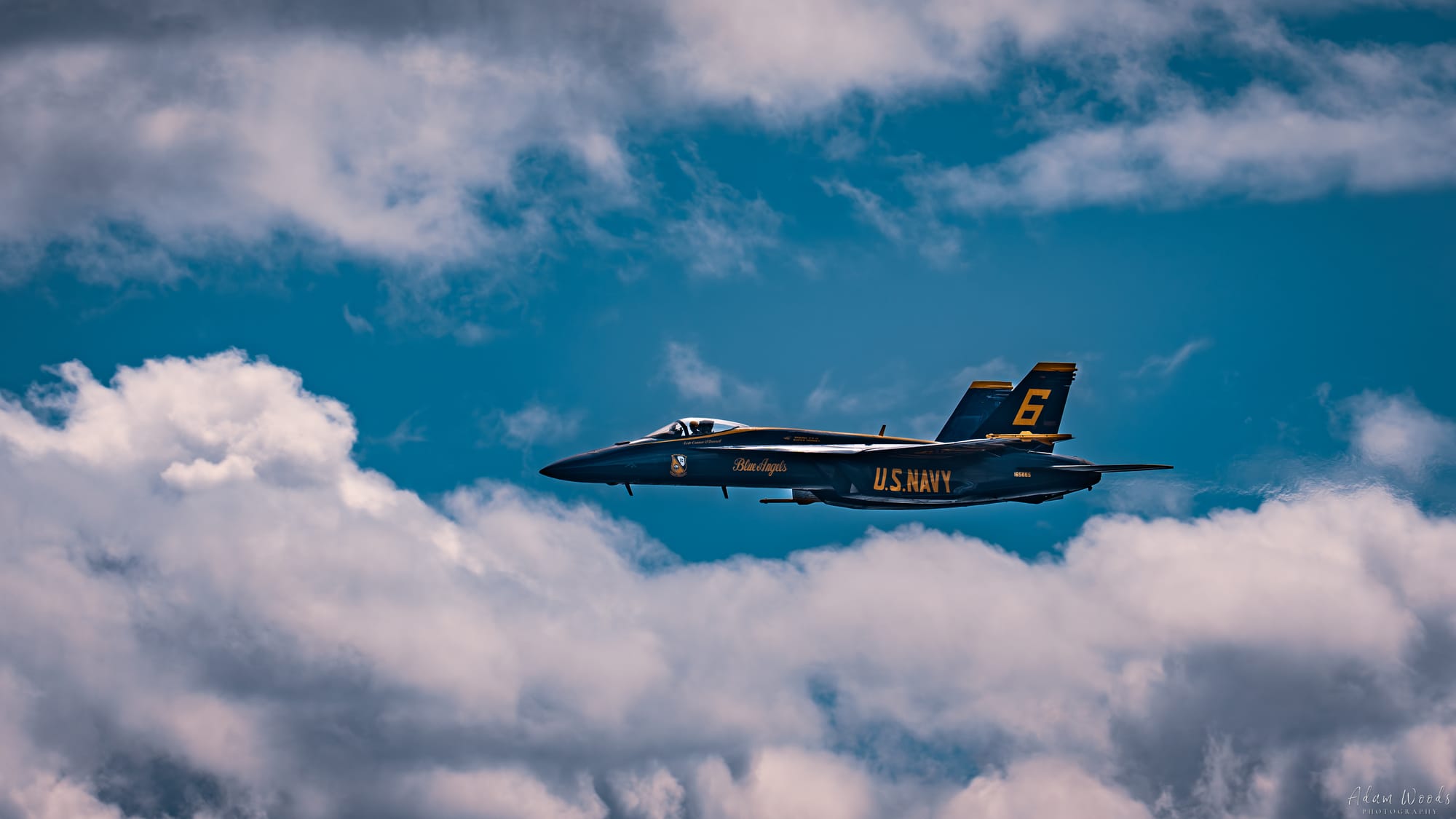
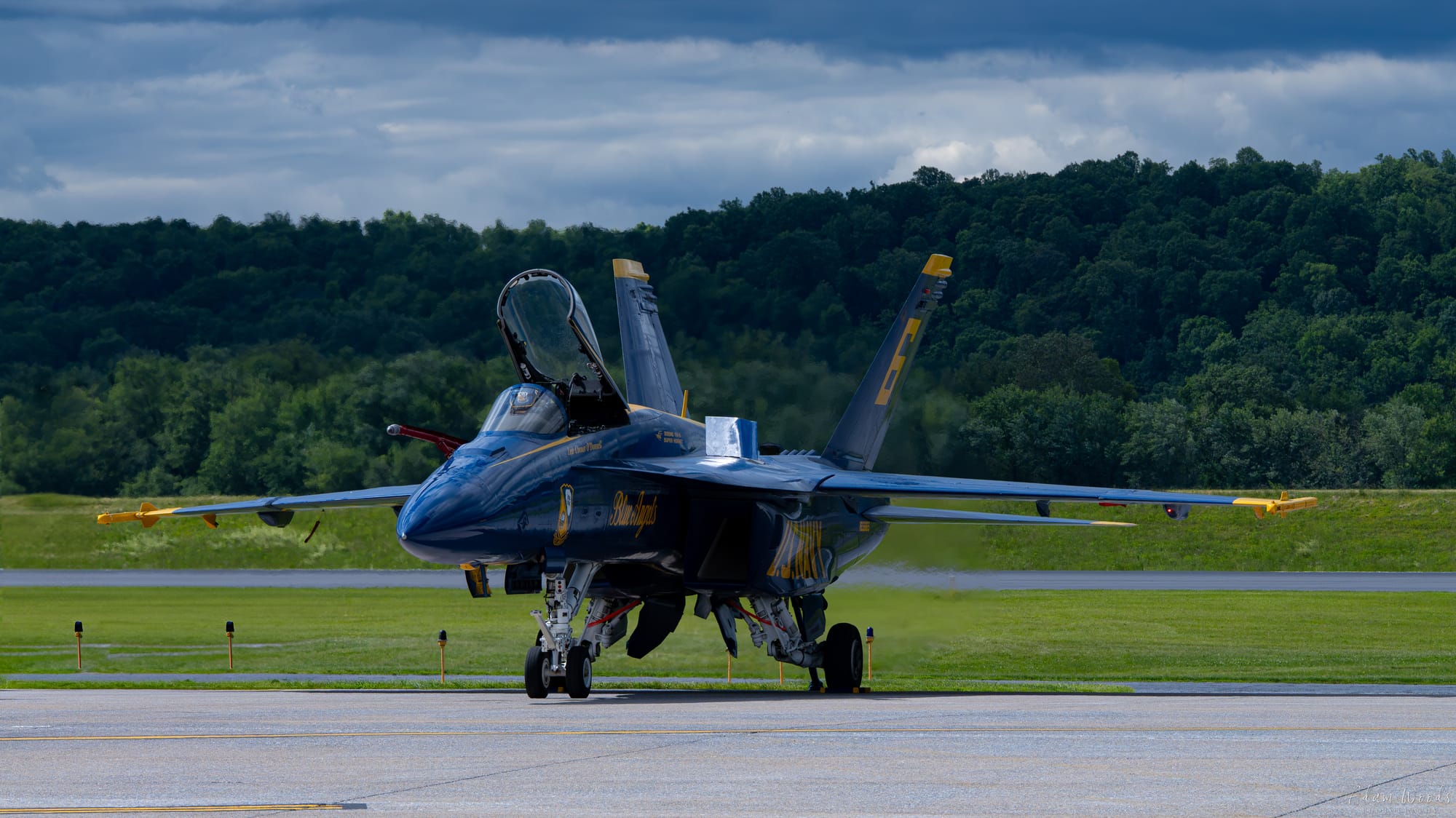
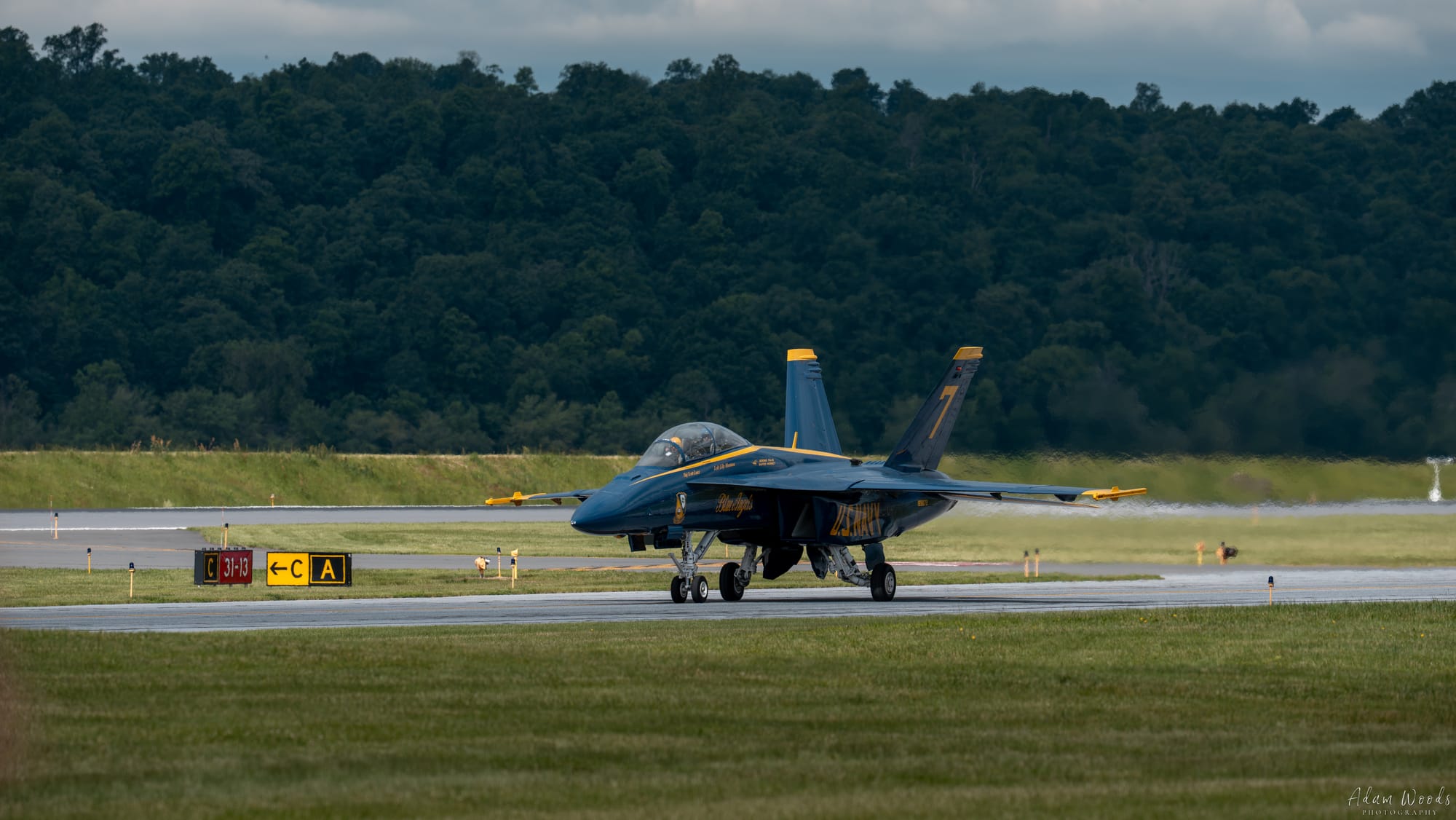
The weather had deteriorated throughout the day and the sun’s position wasn’t ideal in relation to where the jets were performing. I was not sure I would be able to get decent photos. There were many that were not great, but I did end up with some amazing shots (if I do say so myself).
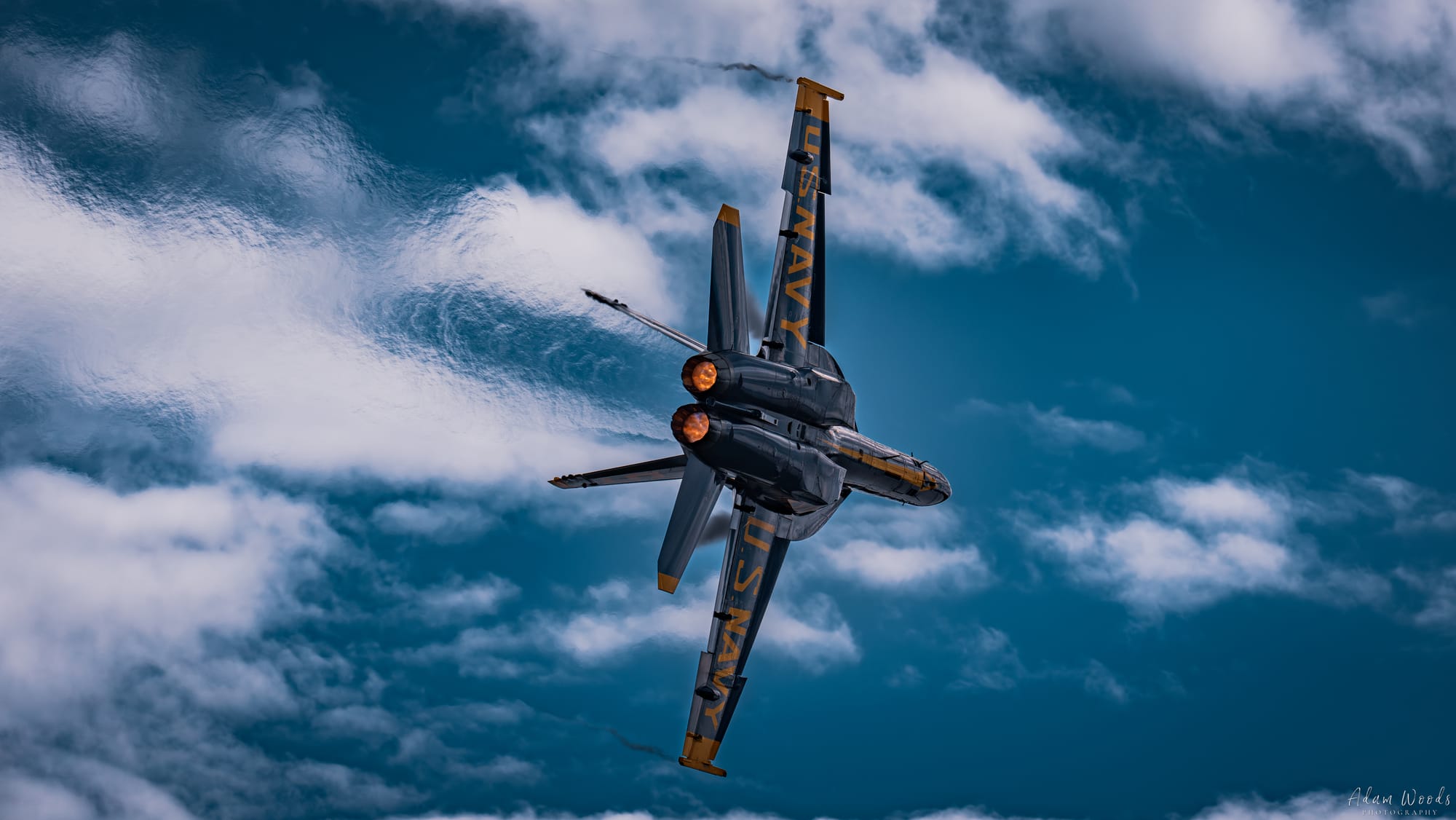
As the show ended, the rain began. I quickly packed up my gear and made my way to the parking lot to beat not only the rain, but the traffic. As I headed home, all I could wonder was if I got any great shots, not just good ones. I will let you be the judge of that, but I am very happy with my results.
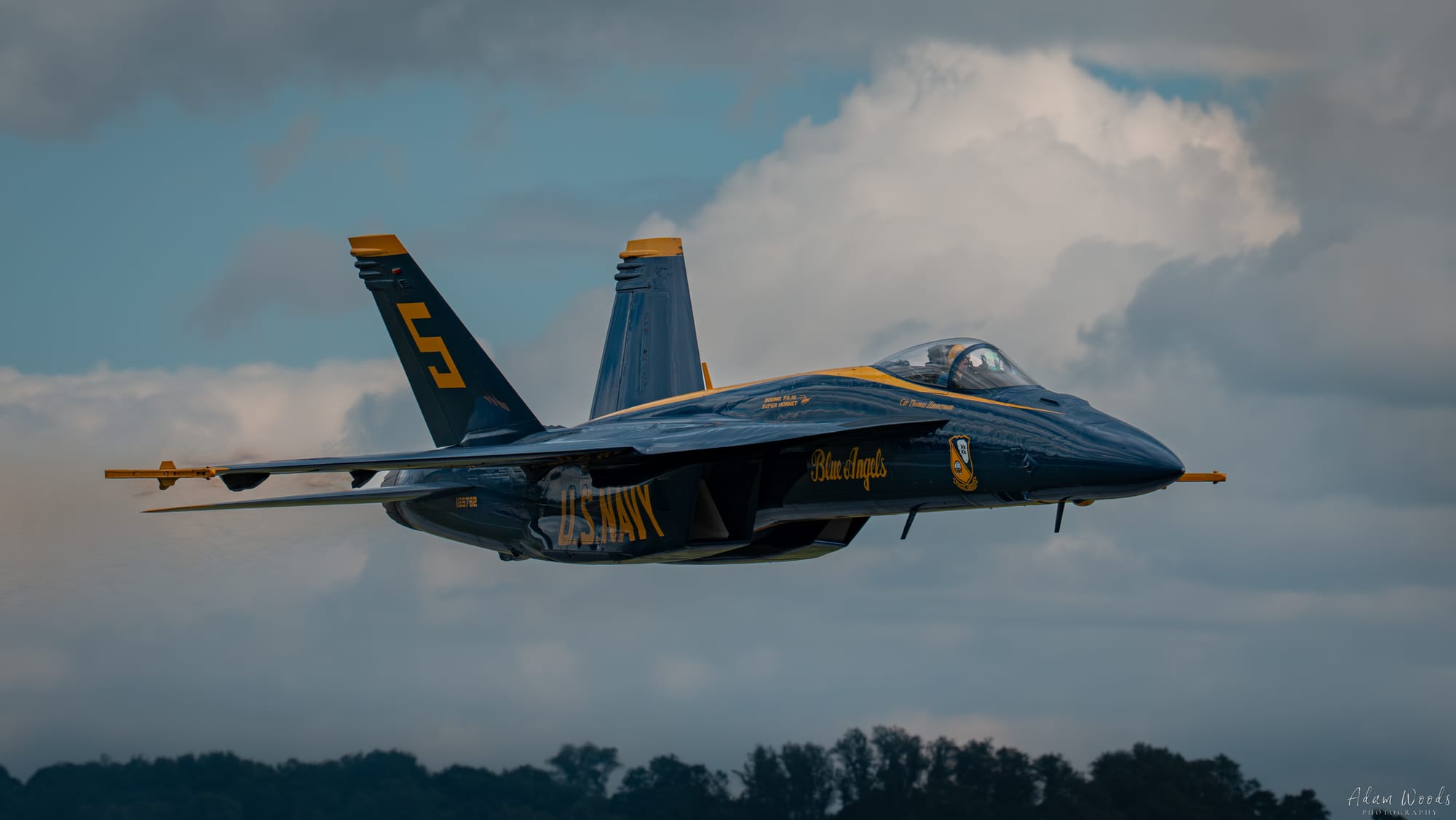
A lot more than what I described above goes on at an air show. Here are some additional photos from the day.