
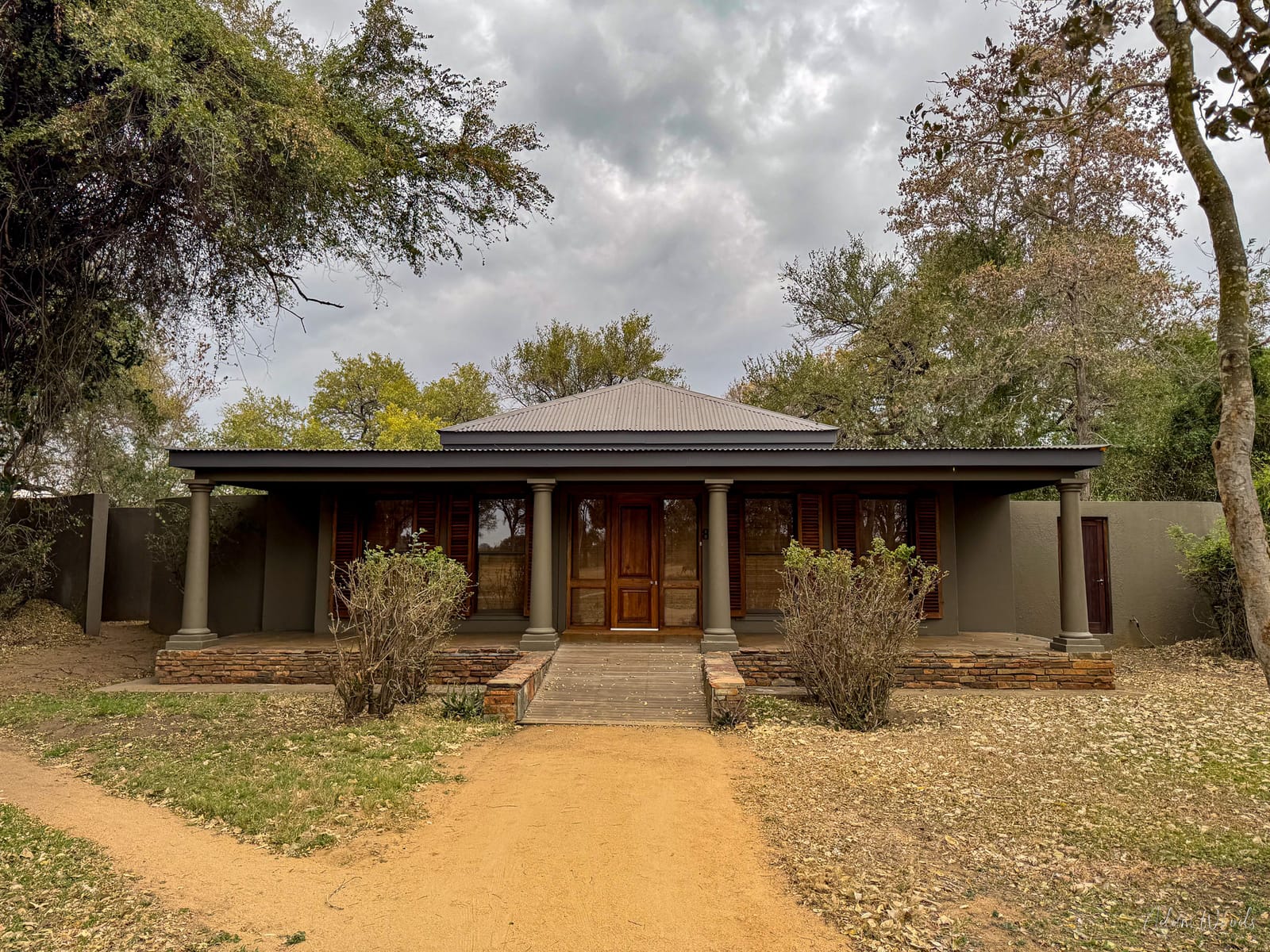
My wife and I just returned from a five night stay in South Africa at Mala Mala Rattray's Safari Camp. This would be our second Safari in South Africa, the first taking place in 2017 at Royal Malewane. We decided on Mala Mala based on the recommendation from Chris, our travel agent at Piper & Heath. We were looking for excellent game viewing and the best chance to see Leopards and based on our past travel destinations, Chris thought Mala Mala would be a good fit, and boy was it! This trip is the first time I used a travel agent to plan everything, except the main flight getting to Johannesburg, South Africa. It was a little stressful to relinquish control, but the trip went perfectly, so I will likely be using Piper & Heath for all my future Africa travels.
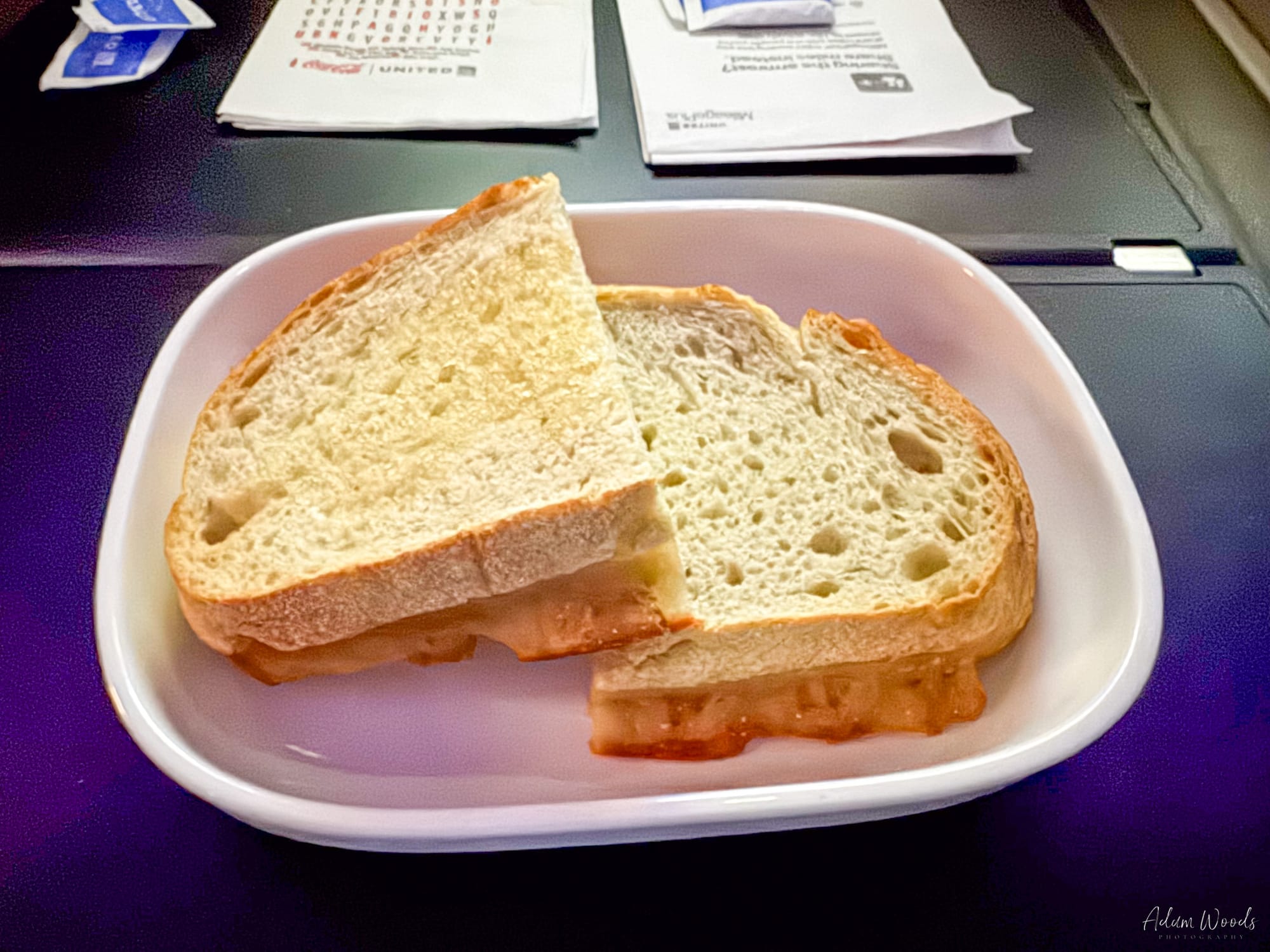
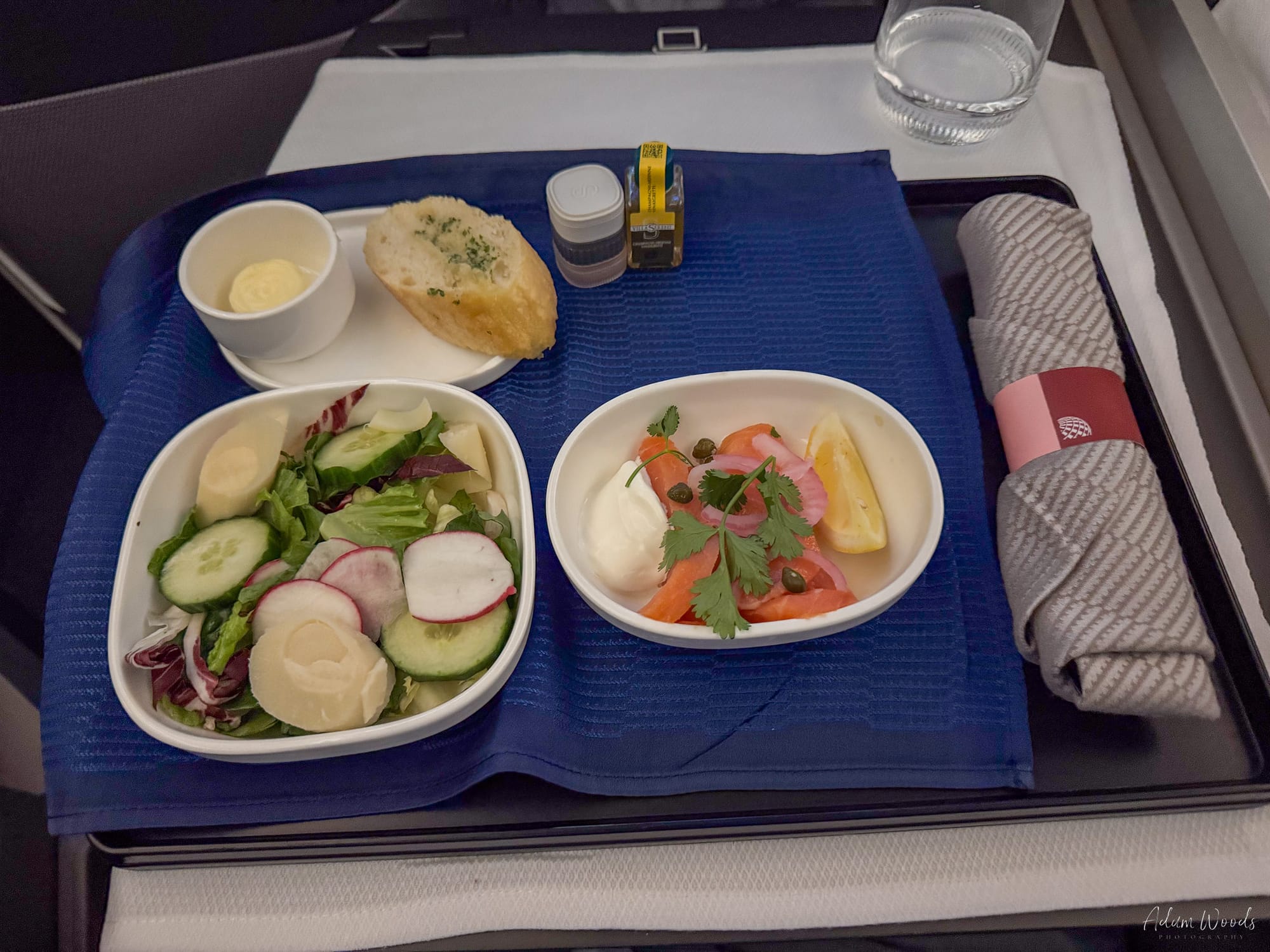
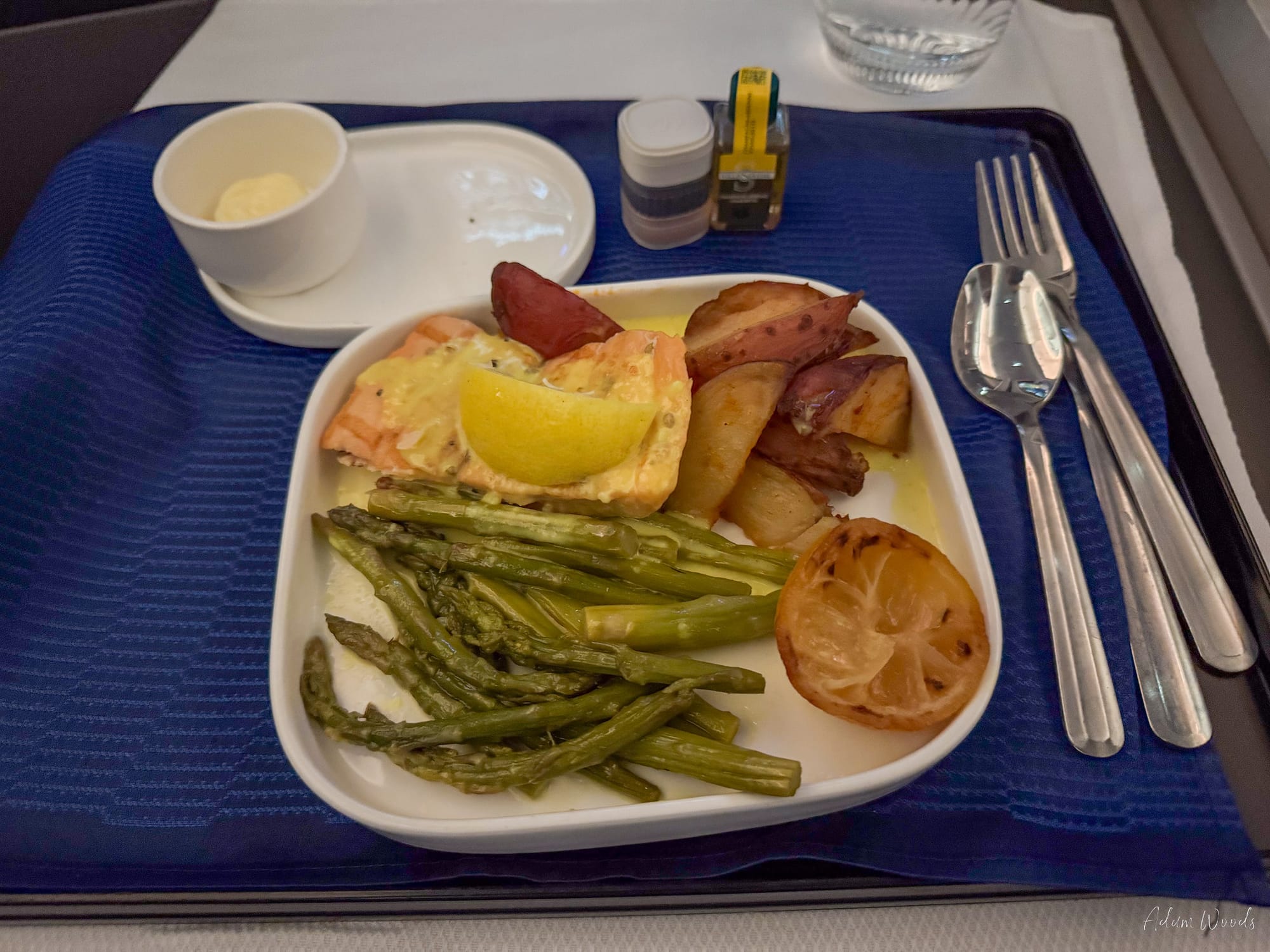
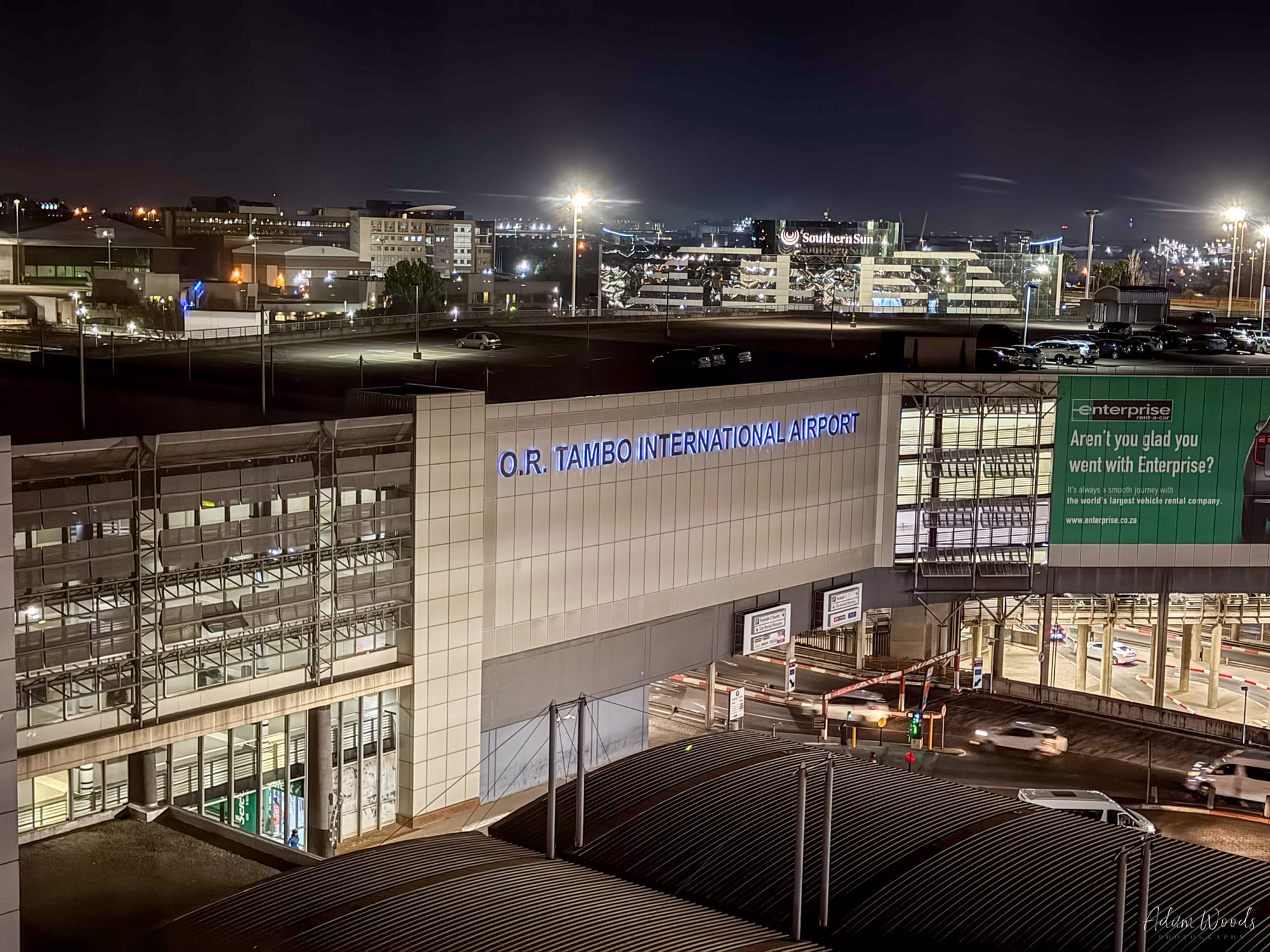
Our trip started with an evening flight, direct from Newark, NJ (EWR) to Johannesburg, South Africa (JNB). Total travel time from leaving the house to getting to the InterContinental Johannesburg O.R. Tambo Airport Hotel would be around 21 hours. The flight is about 15 hours of that. We had several meal services on the flight to include a quite tasty grilled cheese sandwich.
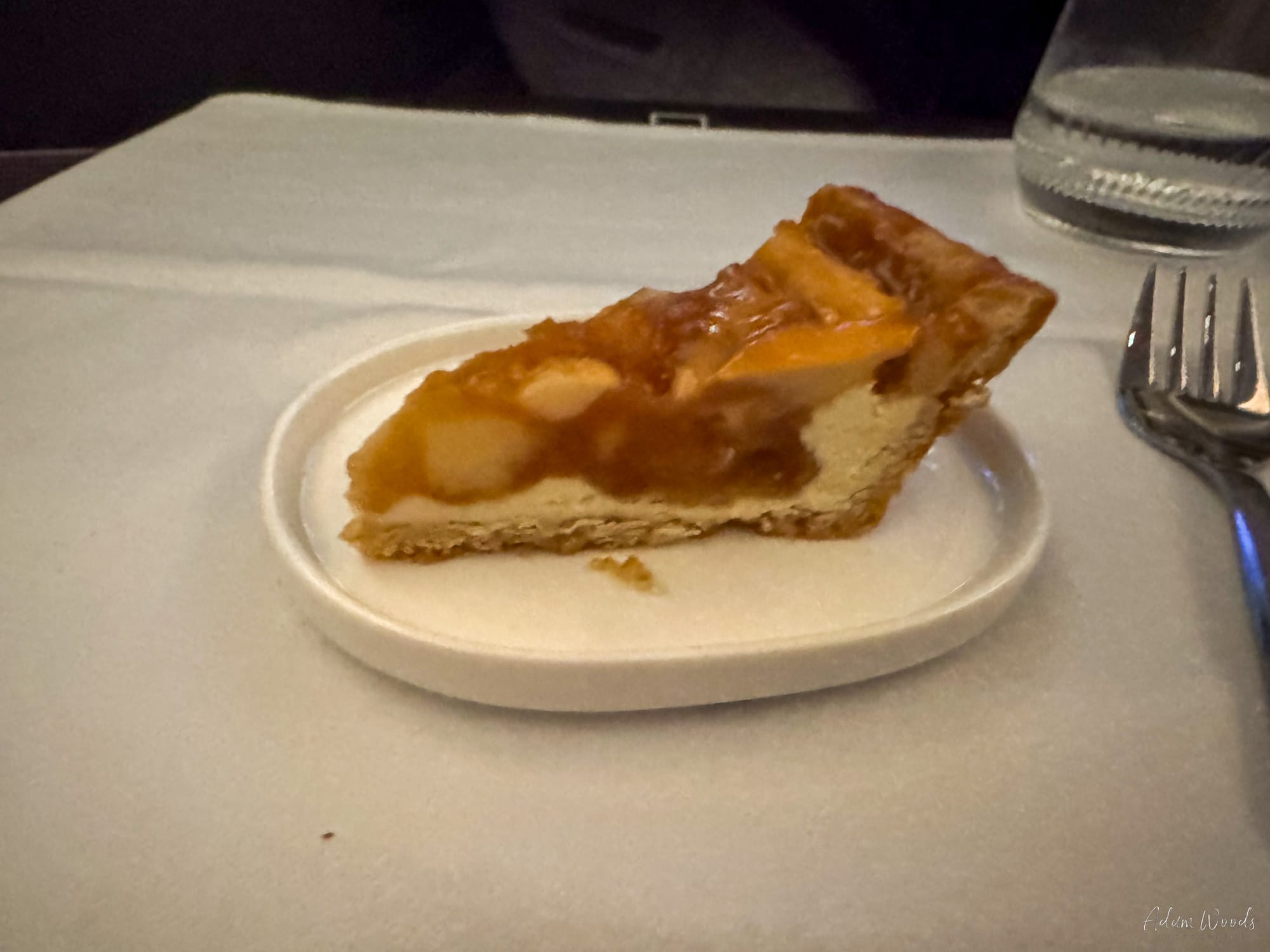
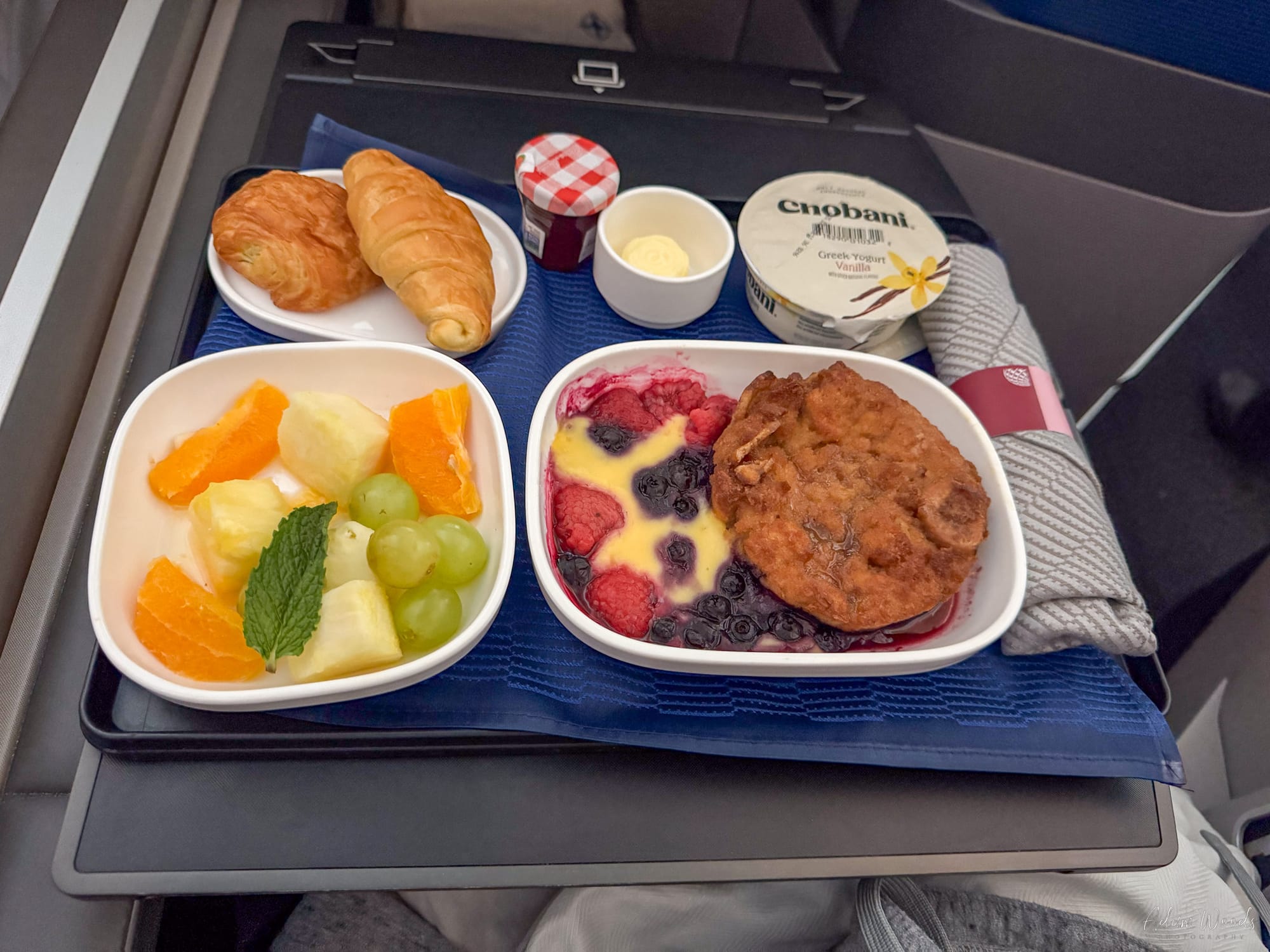
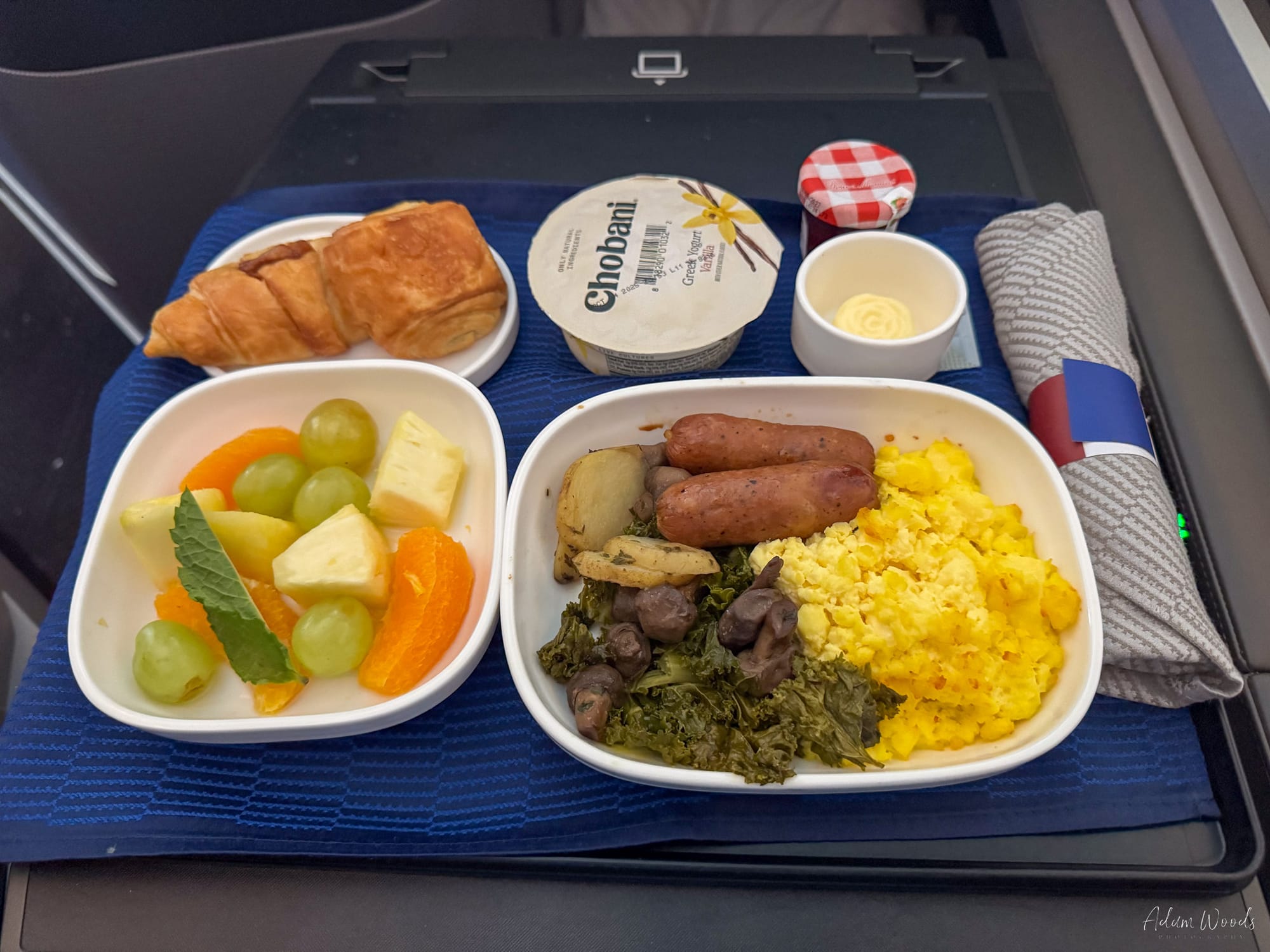
Piper & Heath arranged an airport greeting service to meet us directly off the plane and escort us through immigration and ultimately to the hotel.
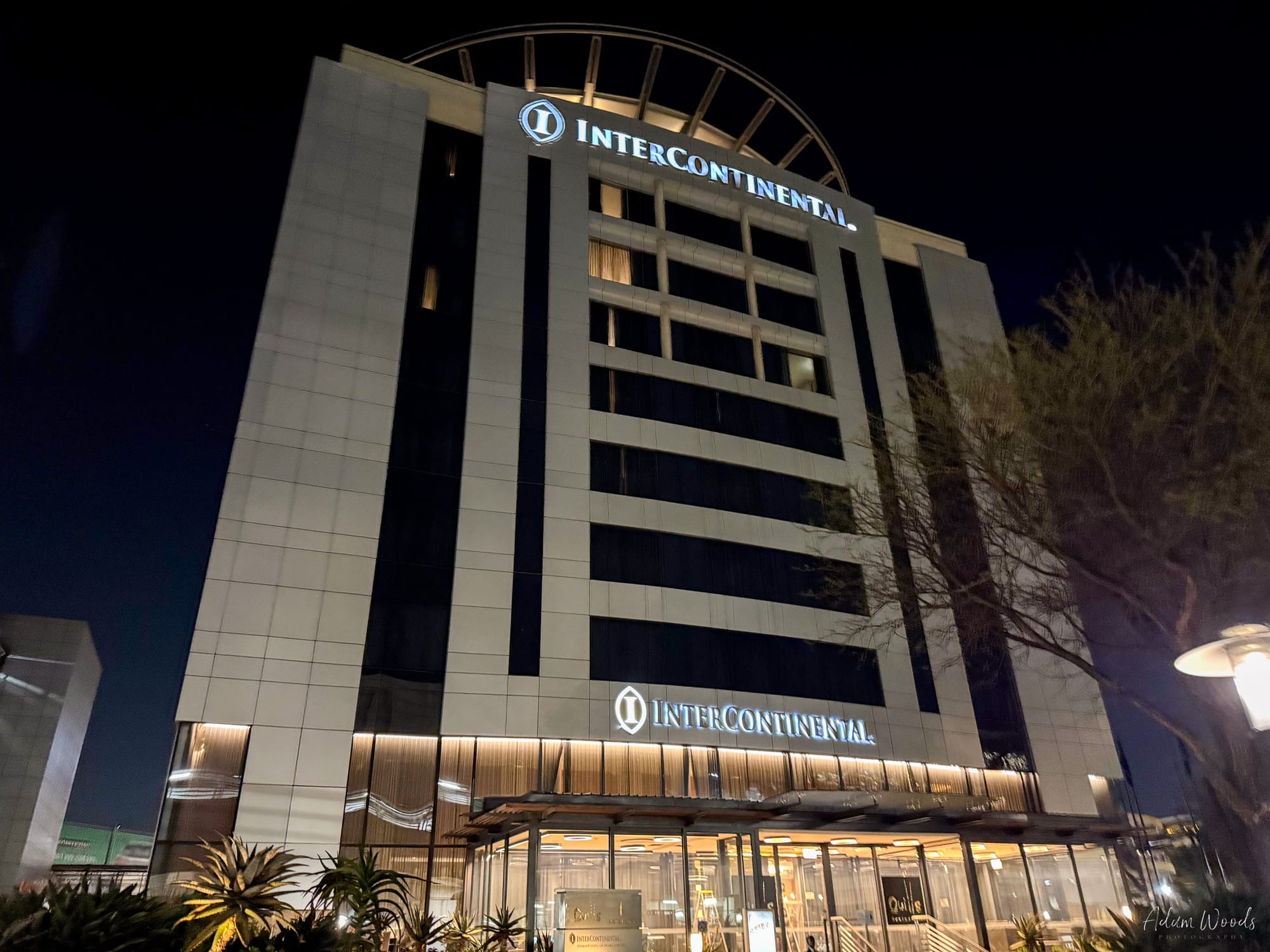
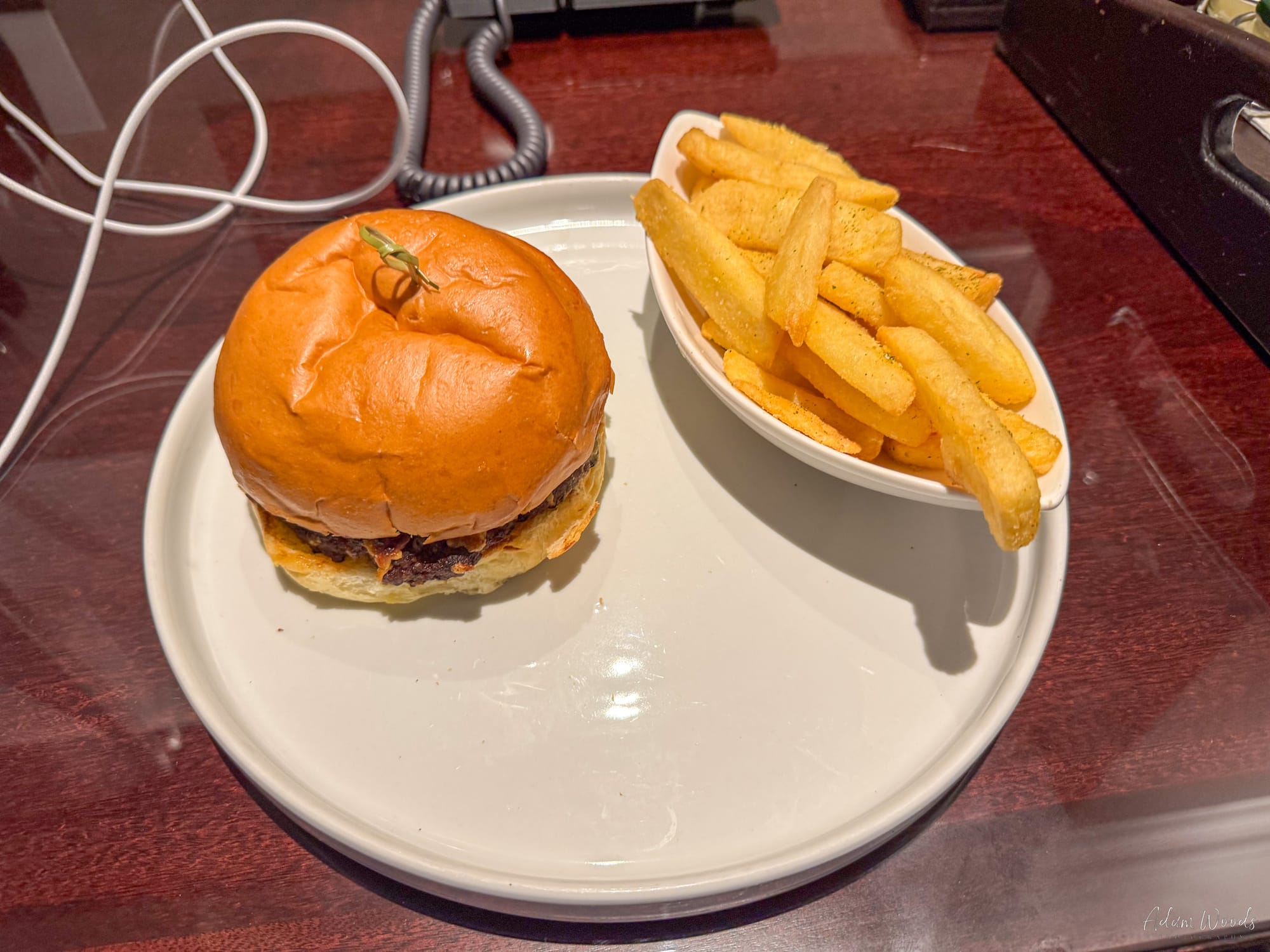
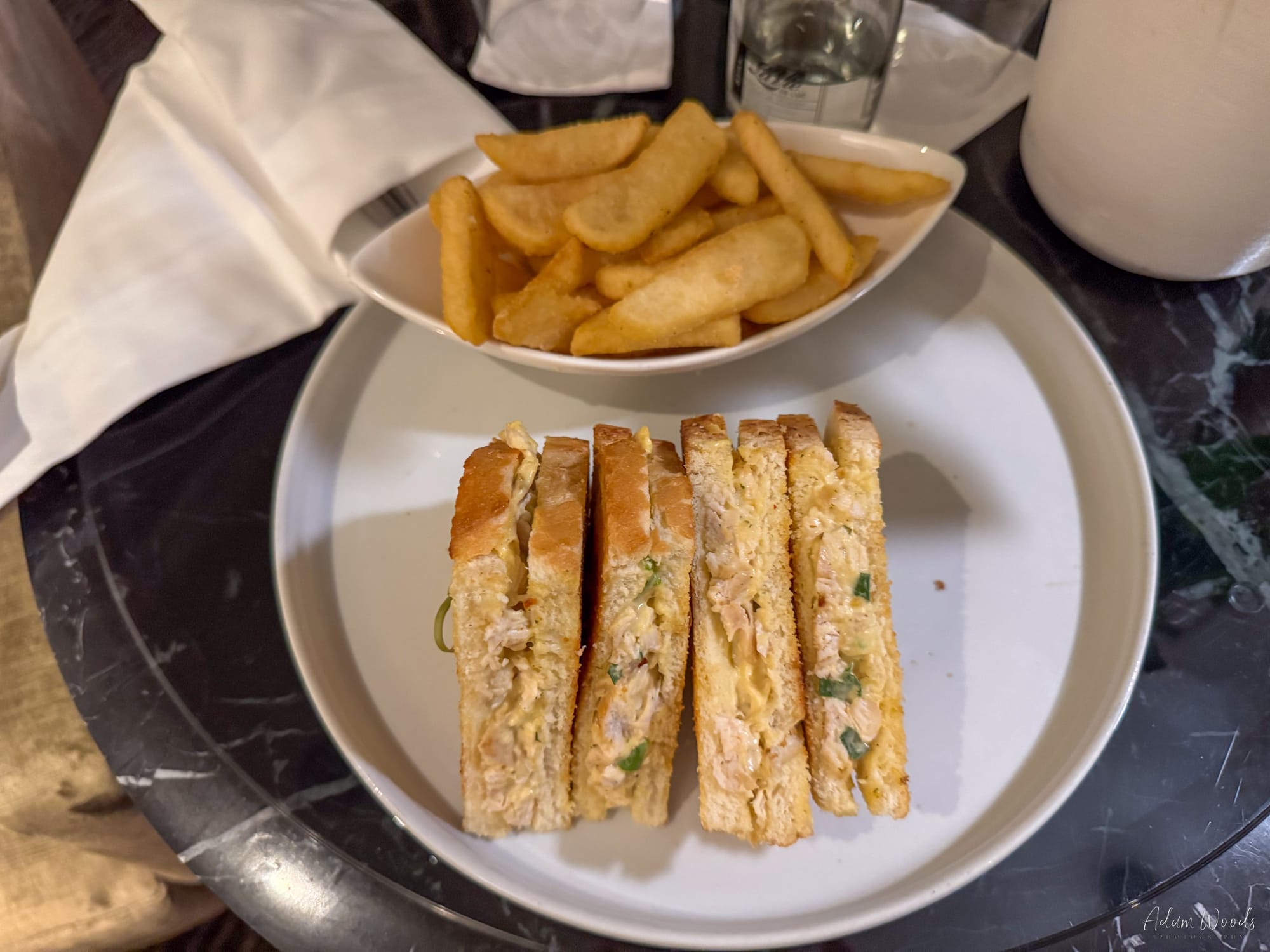
We checked in around 7:30pm and ordered some room service for dinner, prior to going to bed. I had a cheeseburger and fries and my wife had a chicken sandwich.
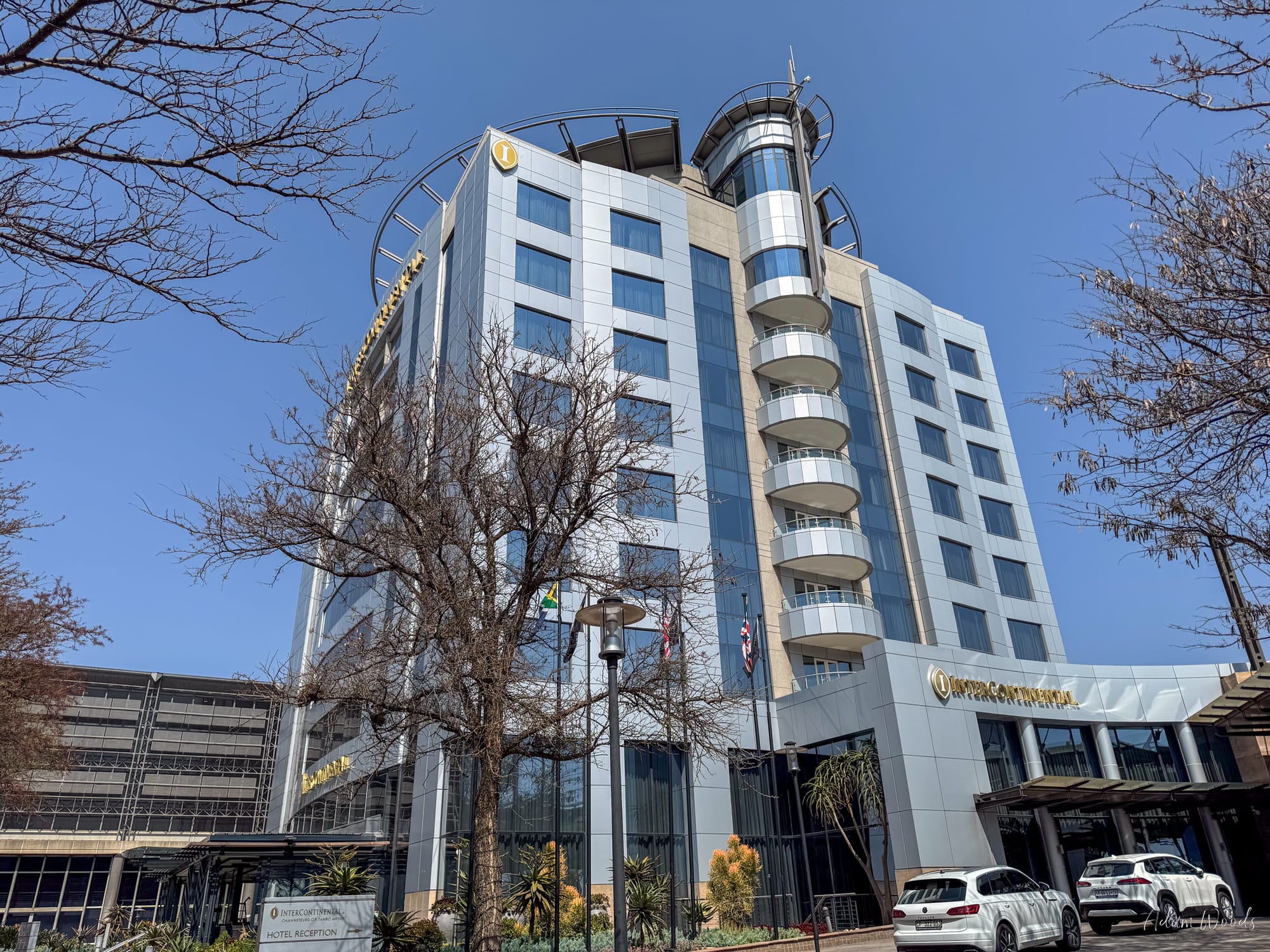
Federal Air, the operator of our bush flight to Mala Mala's airstrip would be picking us up around 11am from the hotel to take us to the airport. While we waited, my wife grabbed some pictures of the outside area around the hotel.
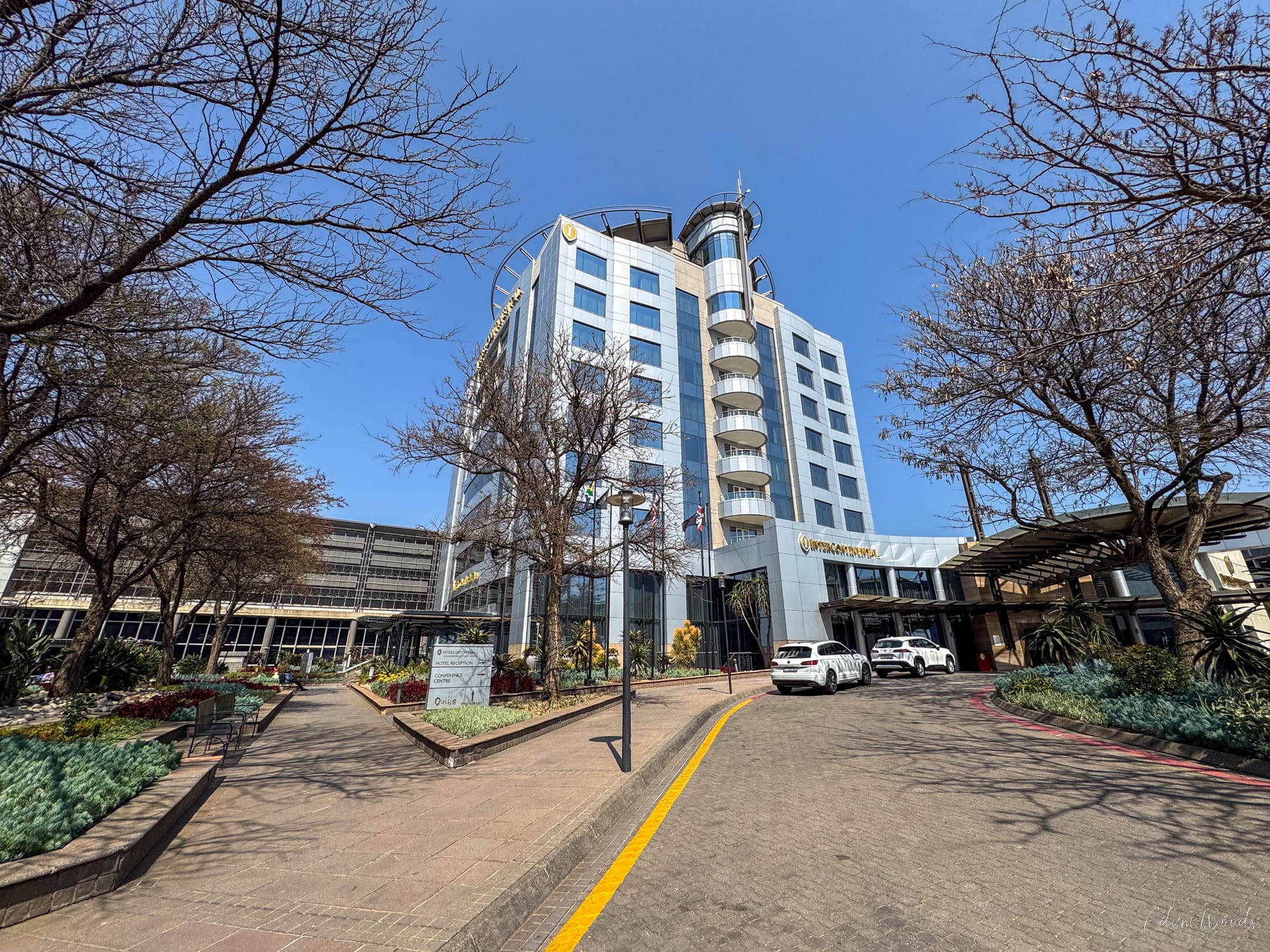
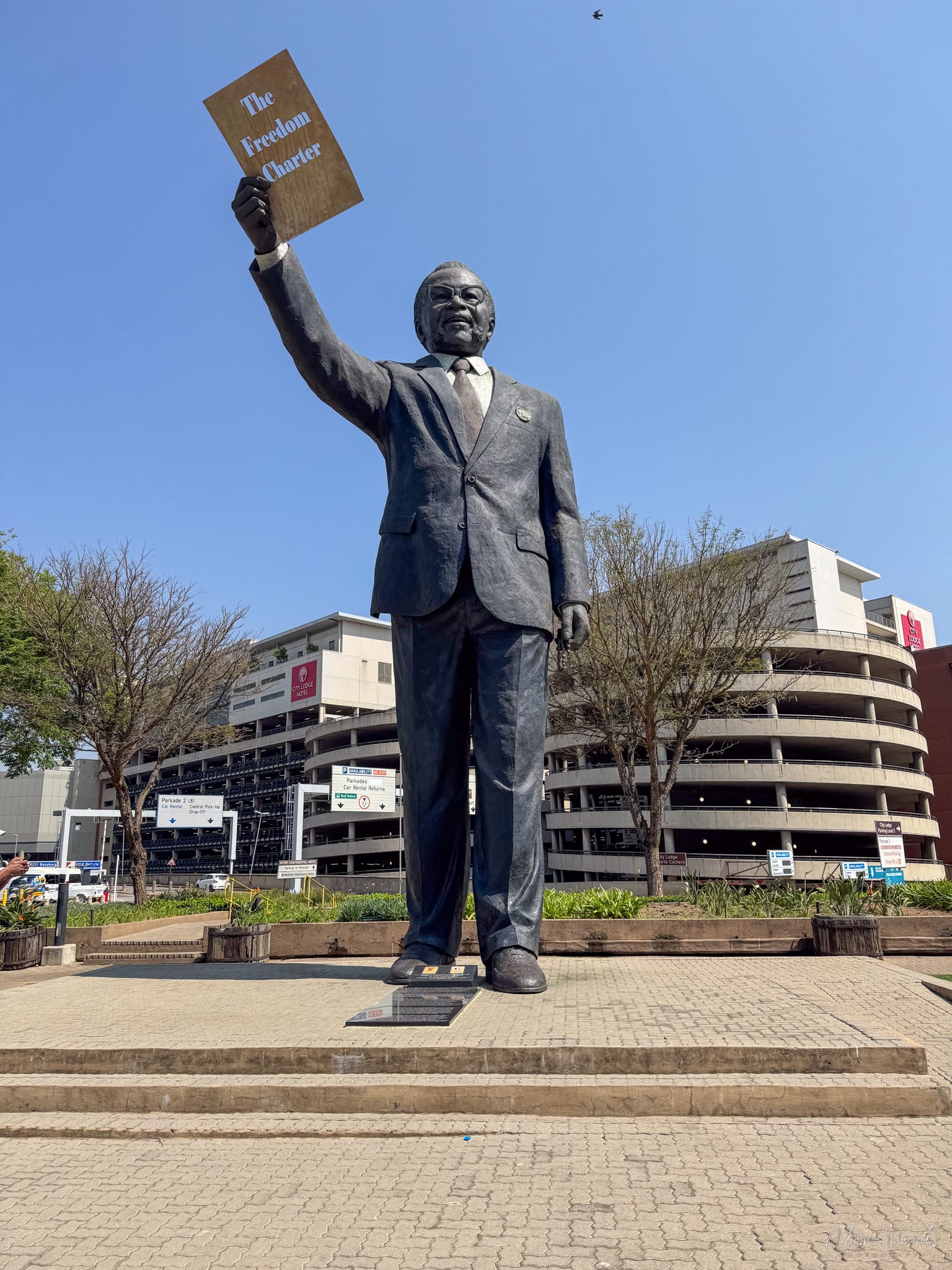
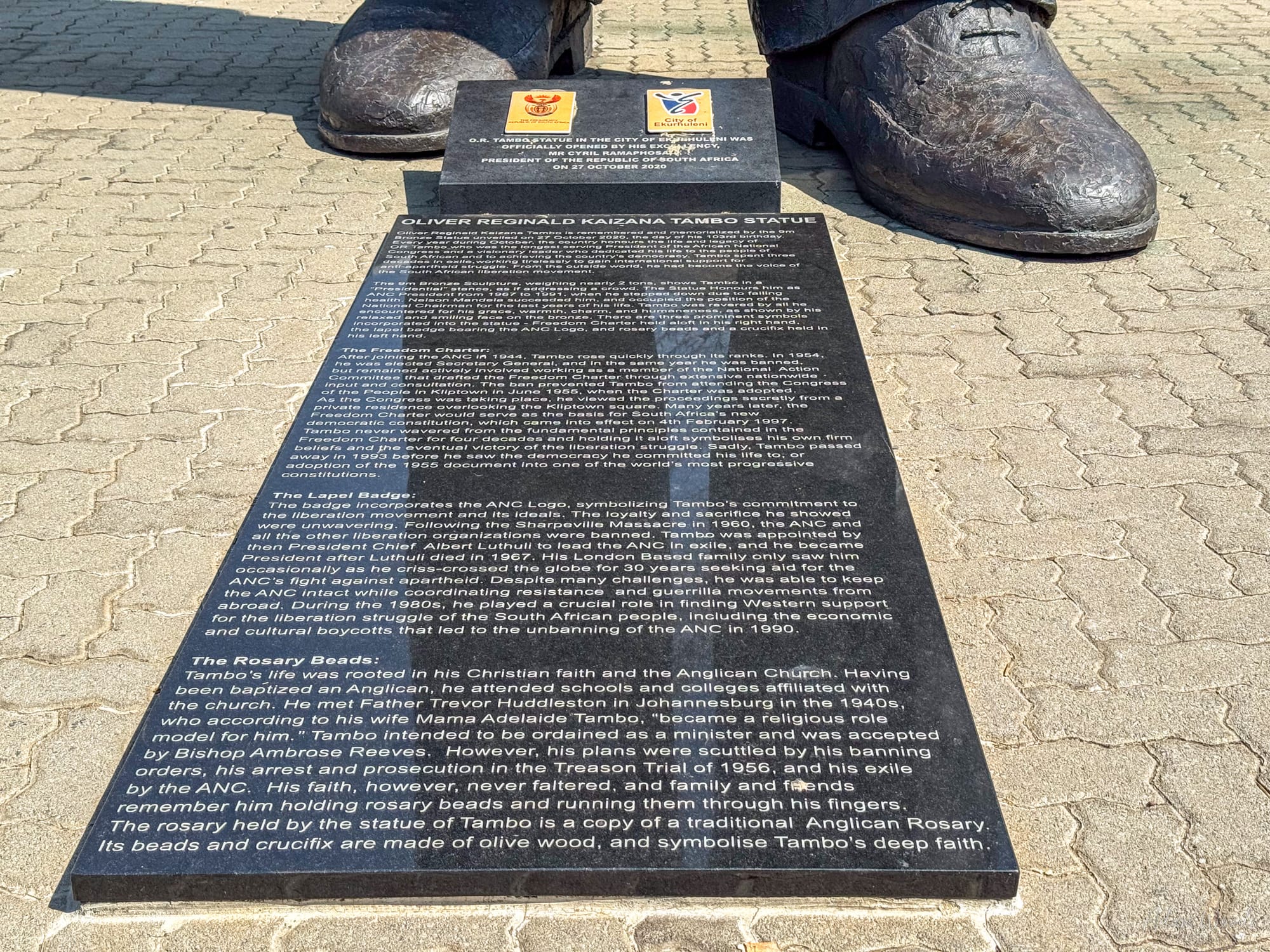
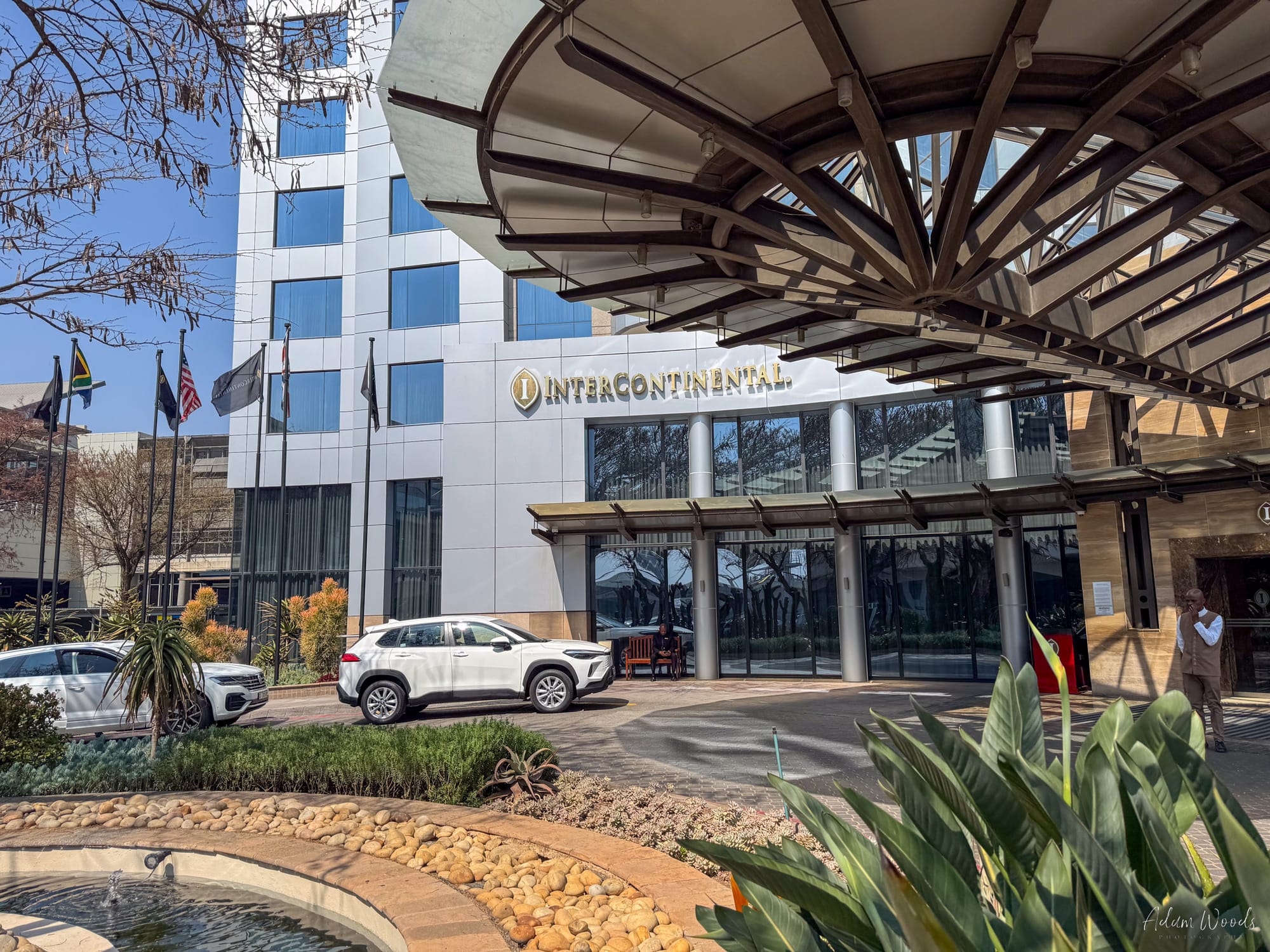
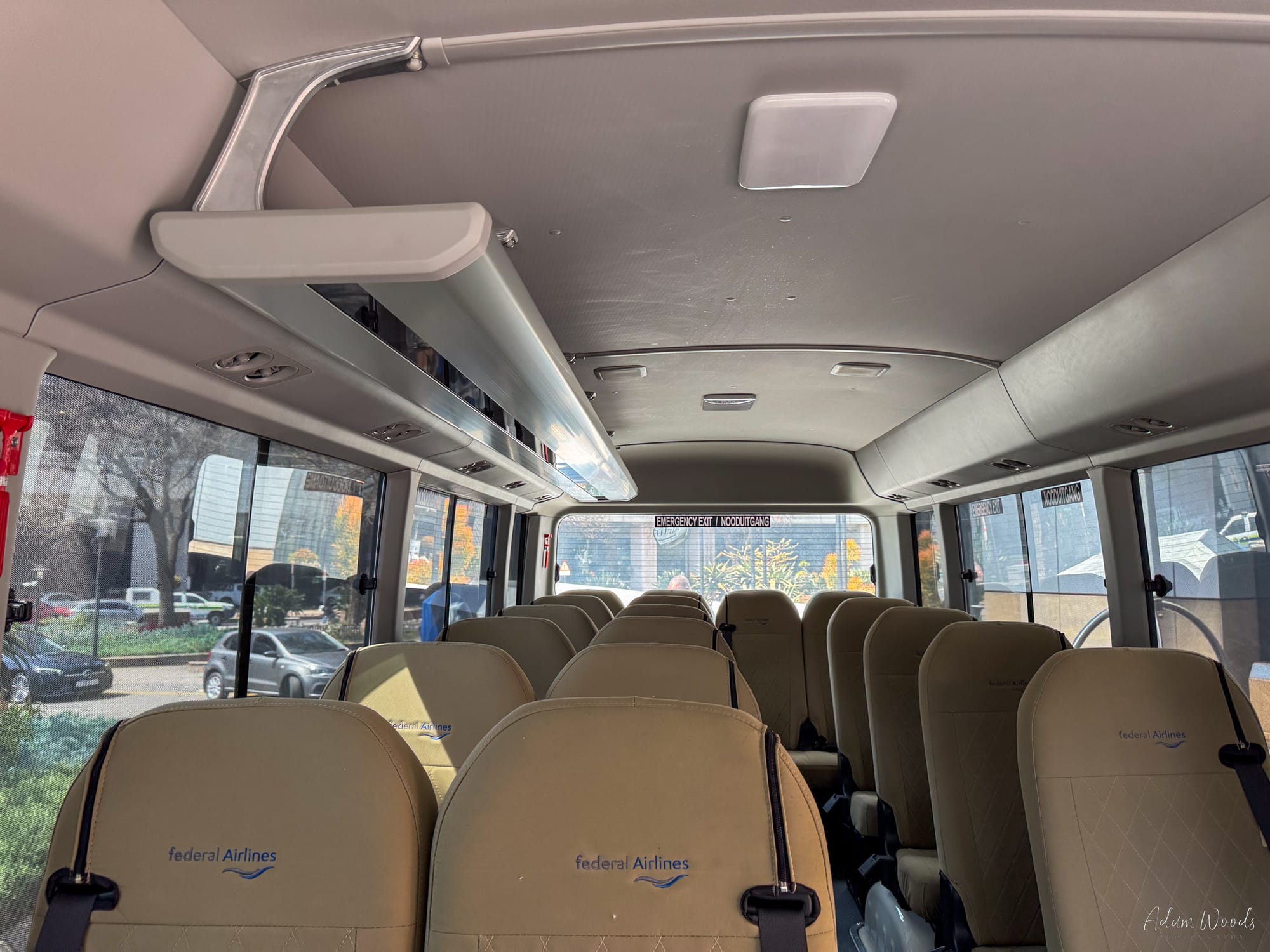
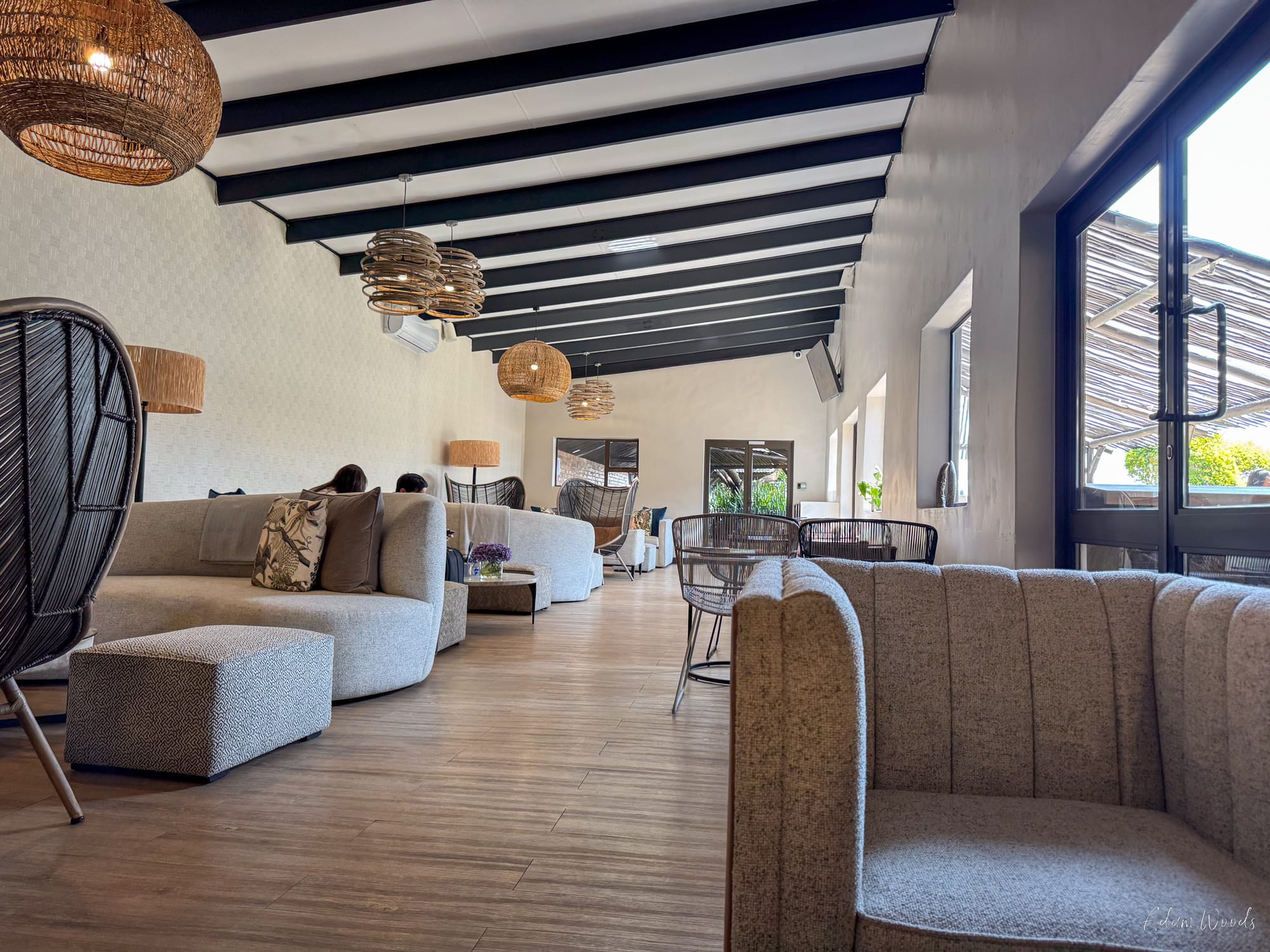
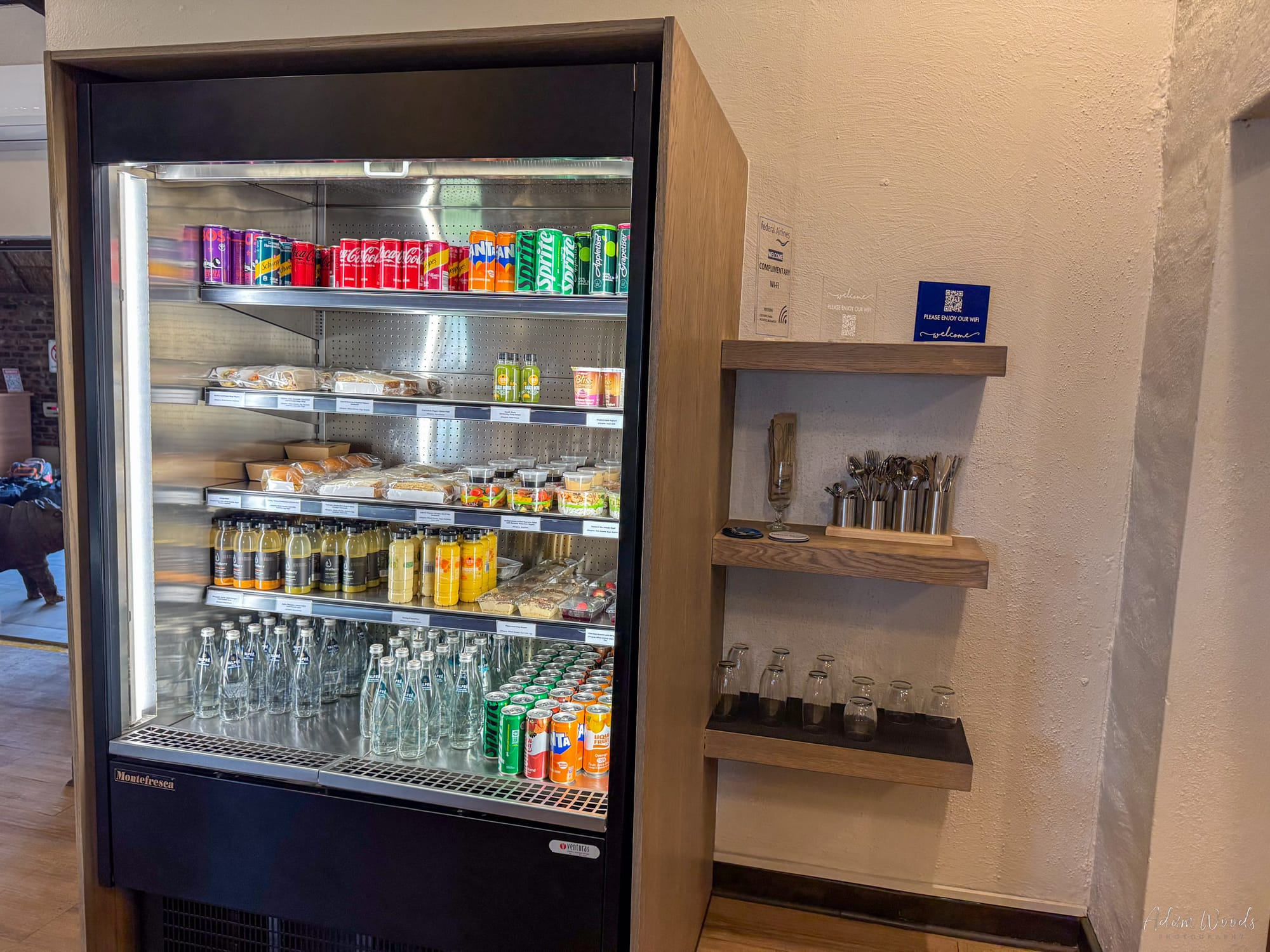
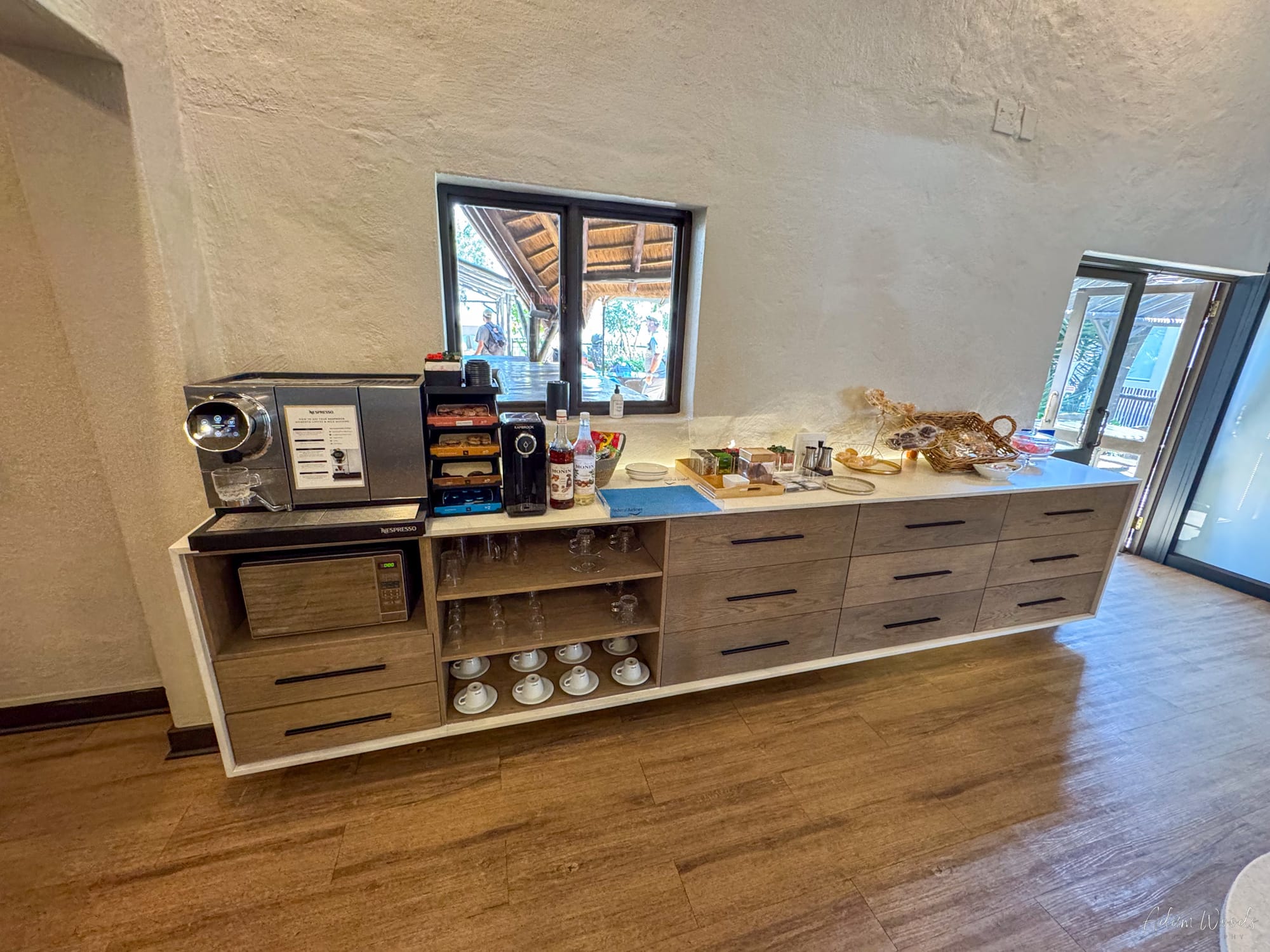
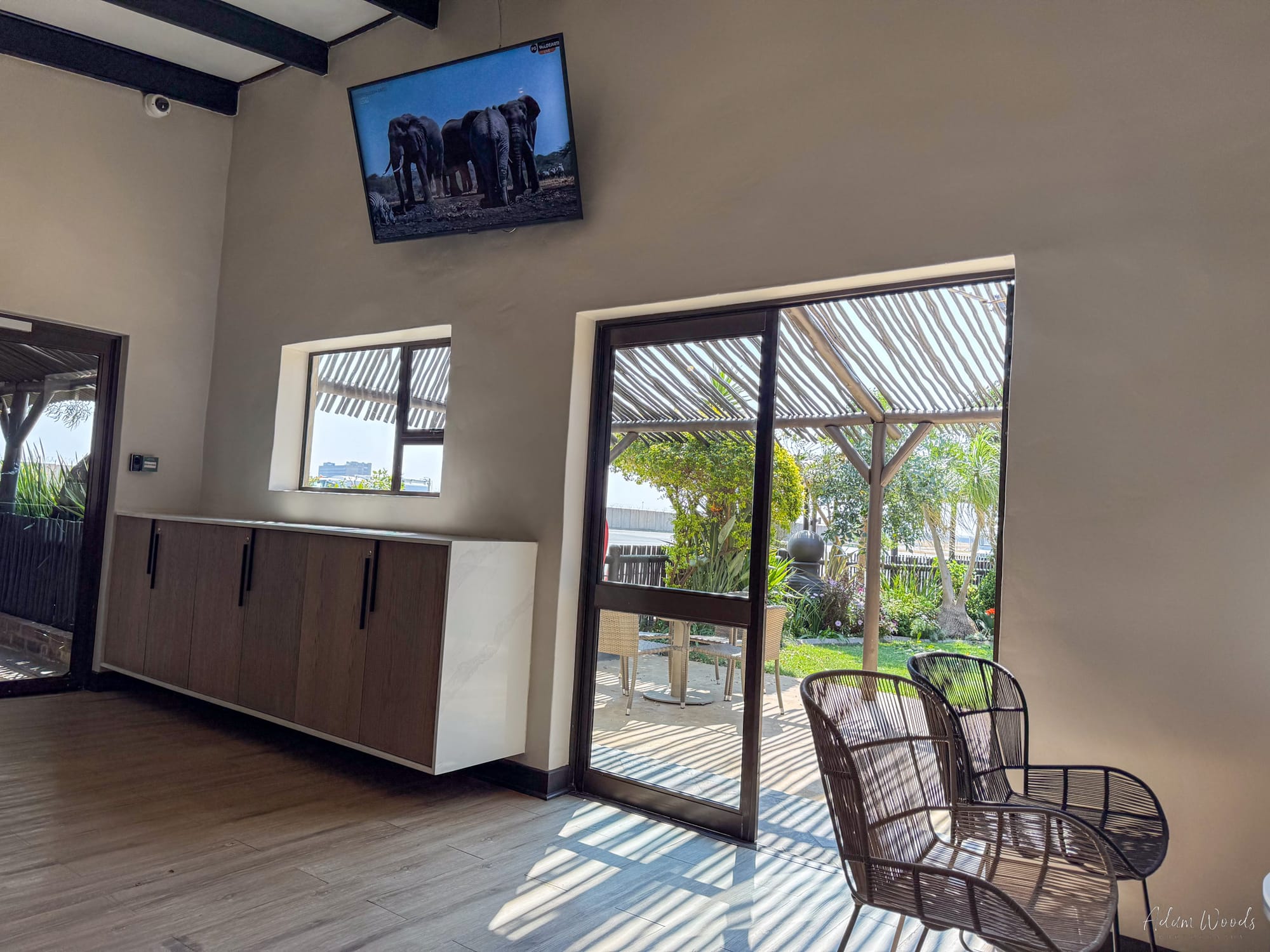
We were picked up in a nice shuttle van and taken to the waiting area at Federal Air. They have a very nice lounge and an outside sitting area.
Our flight was delayed around 1.5 hours, but we would still arrive in time for an evening game drive at 3:30pm. I could see a herd of Elephants from the plane as we were landing! My wife probably didn't see much, as she was battling her motion sickness from the bumpy ride in the small, hot plane. Upon landing, Jaco (who goes by JJ) was waiting to pick us up and take us to camp which was about 10 minutes from the airstrip.
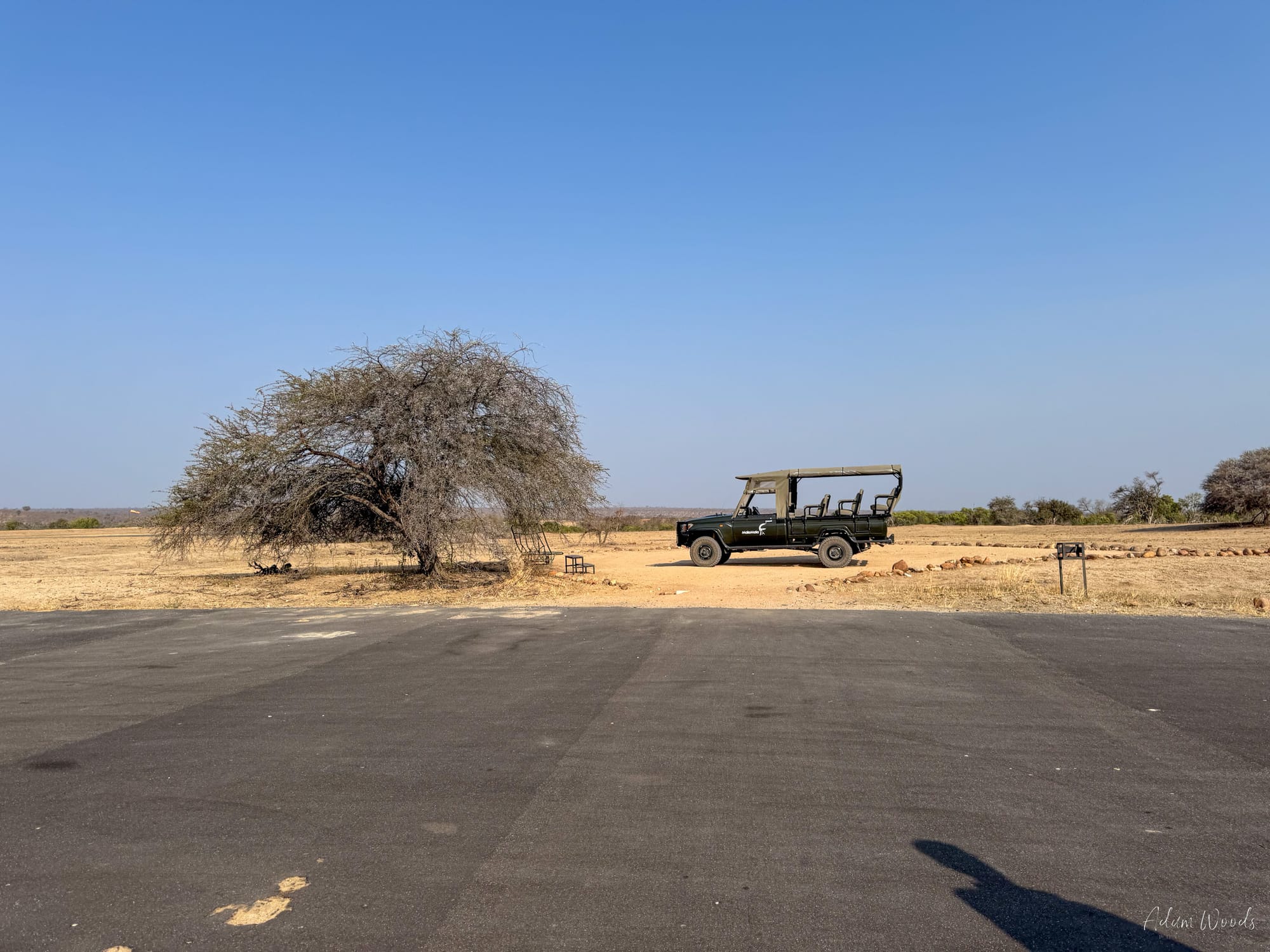
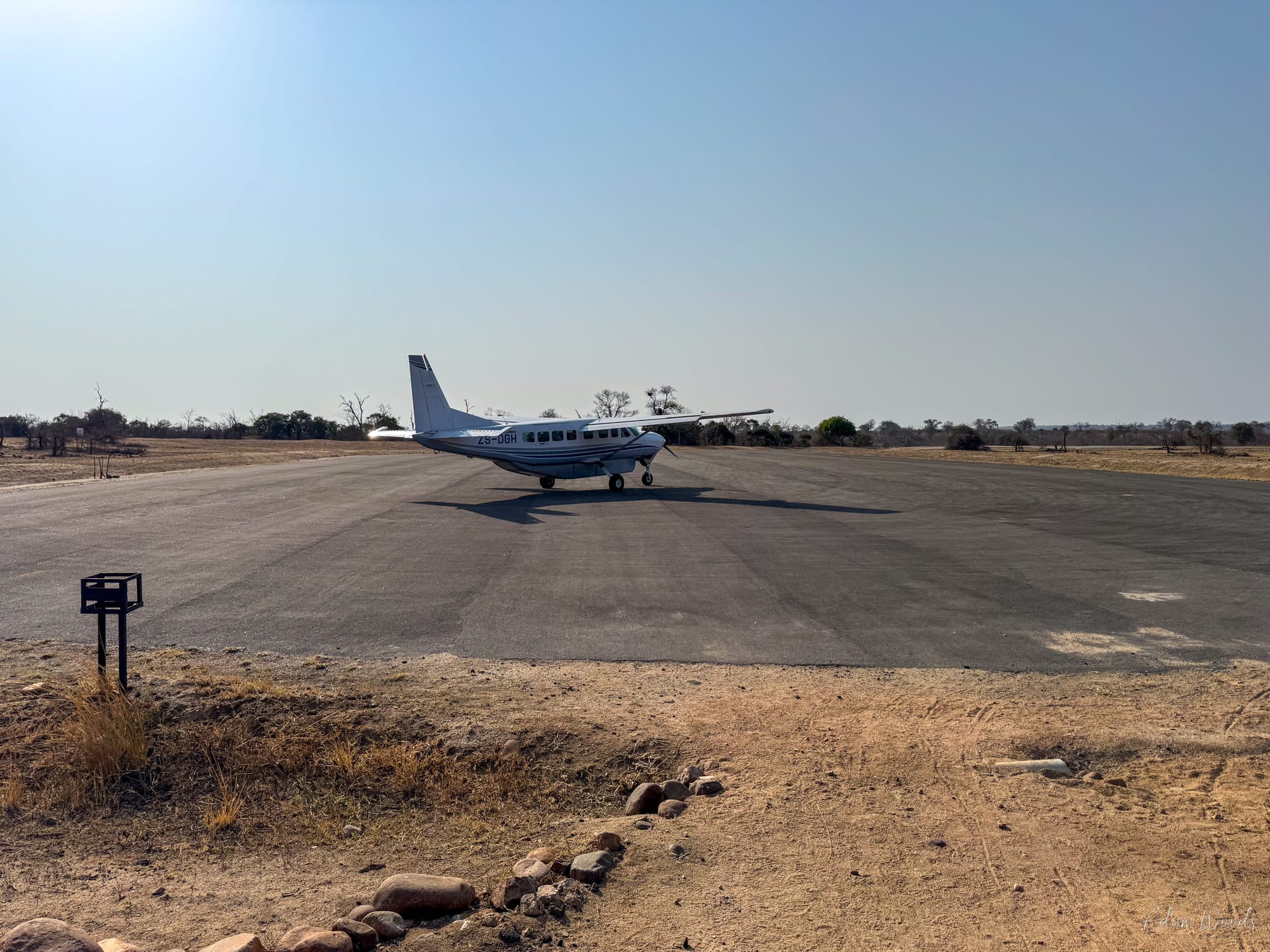
Unlike our previous safaris, the drive to the lodge was surprisingly quiet, with hardly any wildlife in sight. Still, I wasn’t worried—it didn’t feel like a bad sign, especially given all the glowing things I’d heard about this area. JJ dropped us at the main lodge, where we had a brief orientation and check-in before our game drive.
Rattray’s Camp itself is a place of understated elegance. Tucked along the banks of the Sand River, it feels both secluded and deeply connected to the wilderness around it. Each suite looks out over the water, has a small plunge pool, and seems to constantly have animals crossing in front of our view.
We then made our way to Room 8 all the way at the end of the property. There are only 8 rooms here, so we were lucky to have the corner of the property to ourselves.
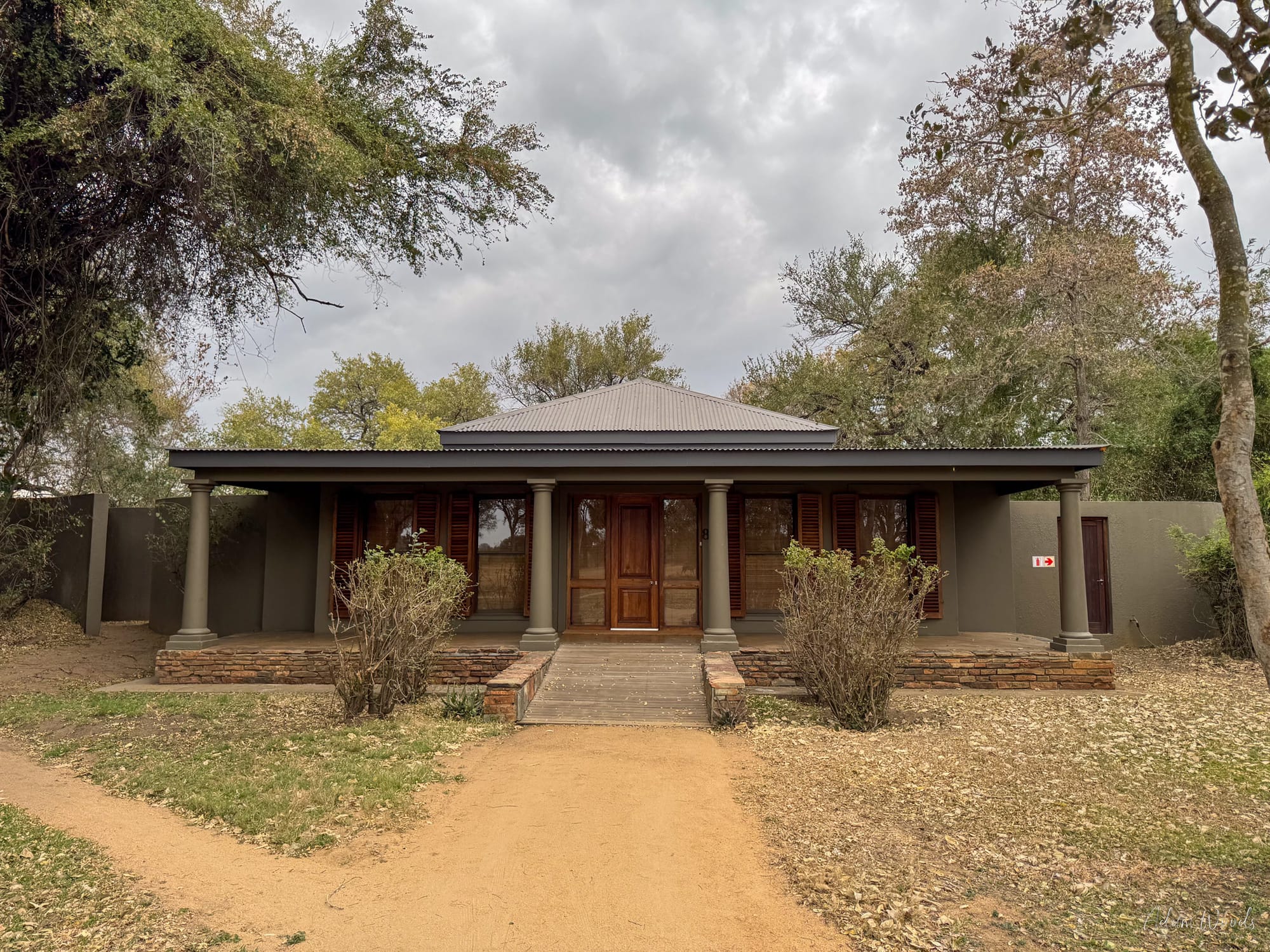
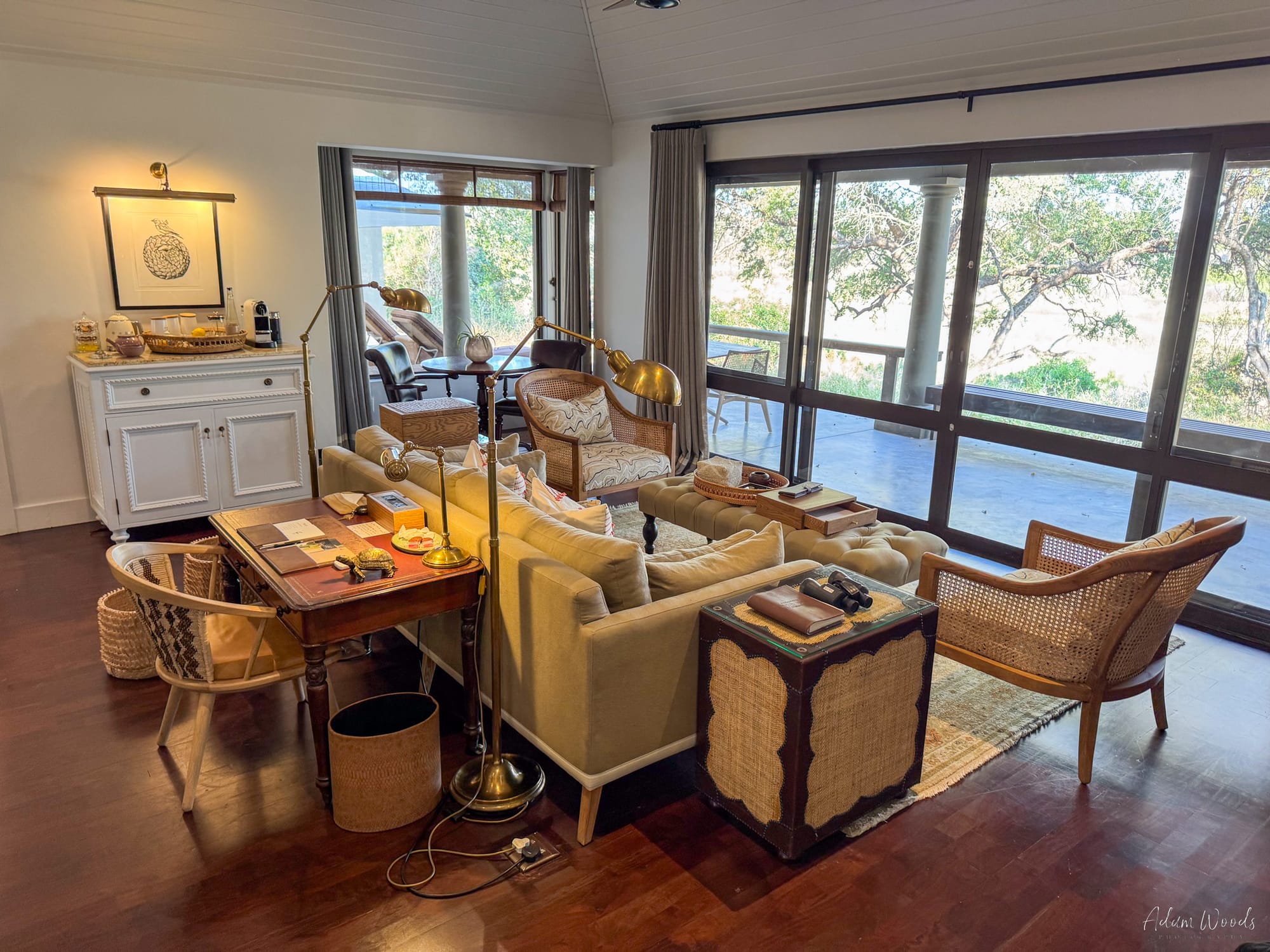
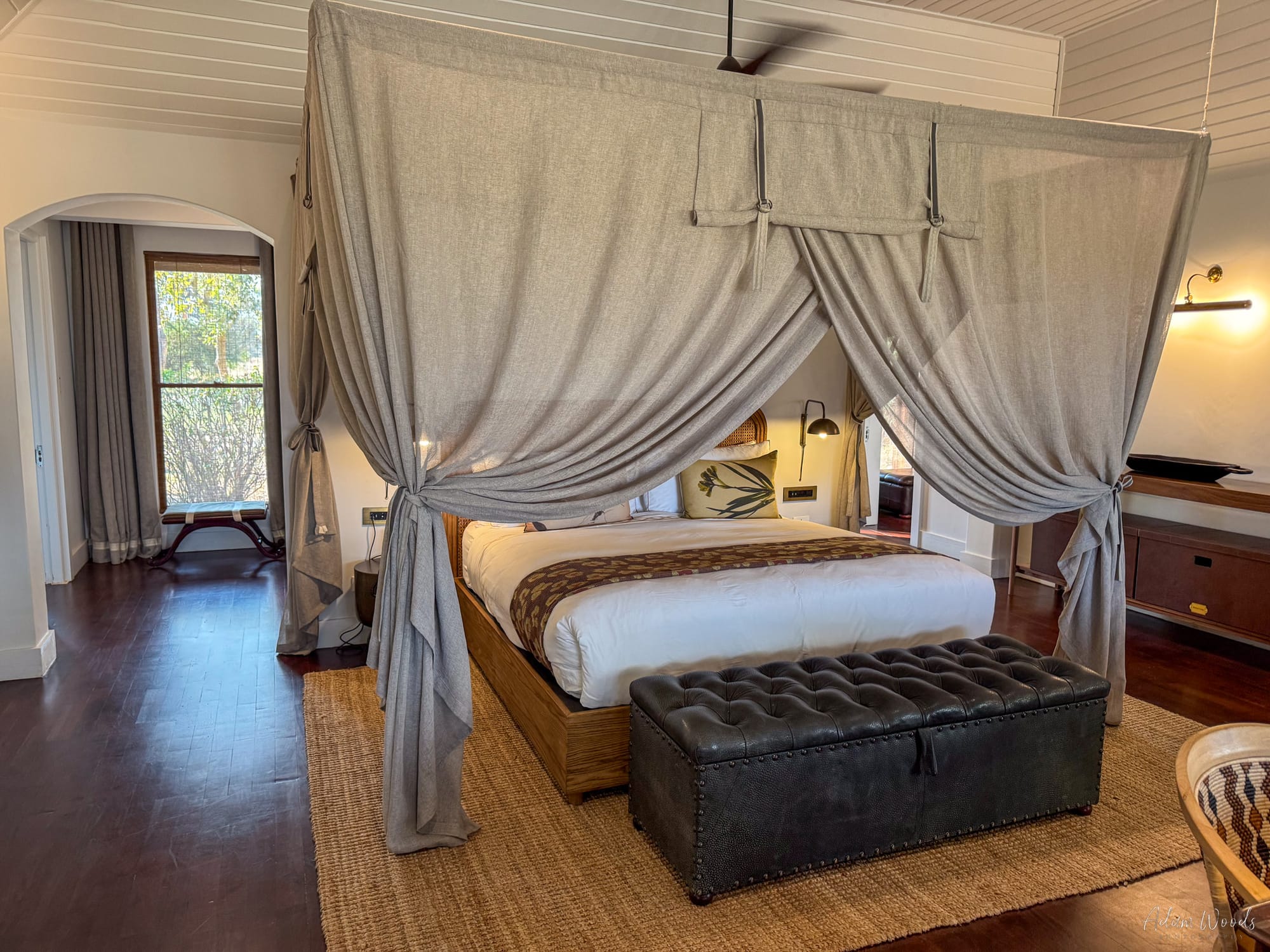
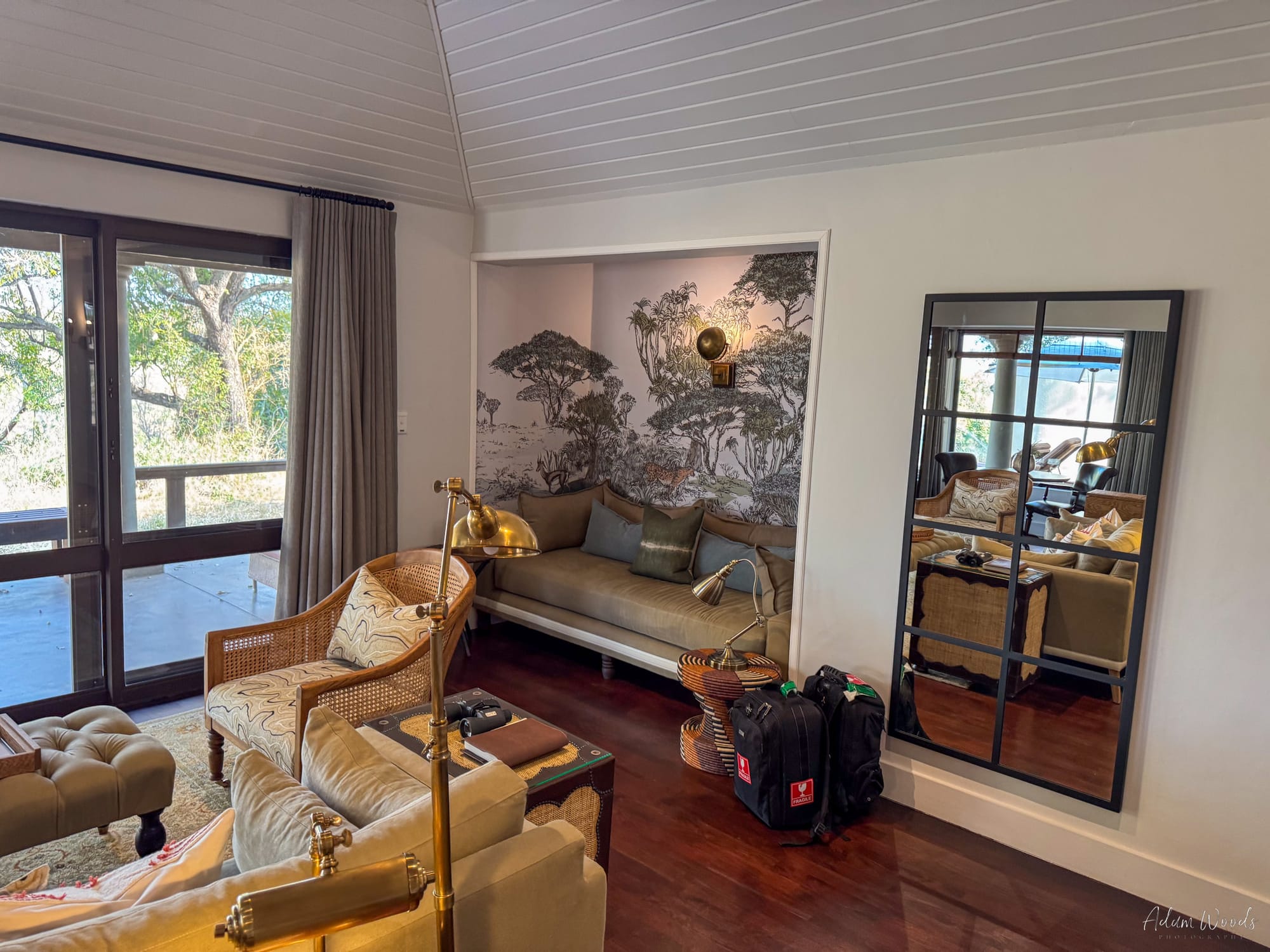
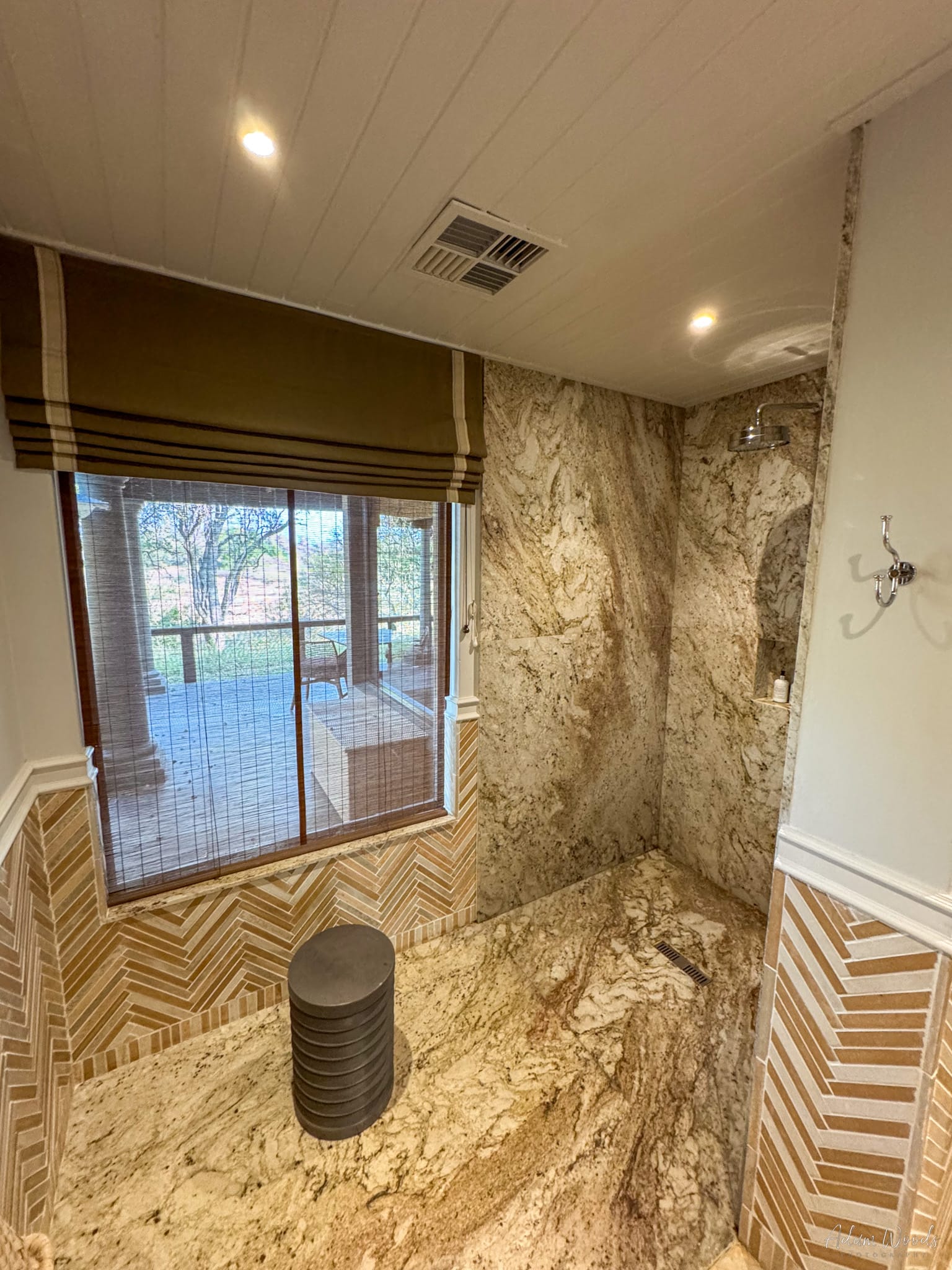
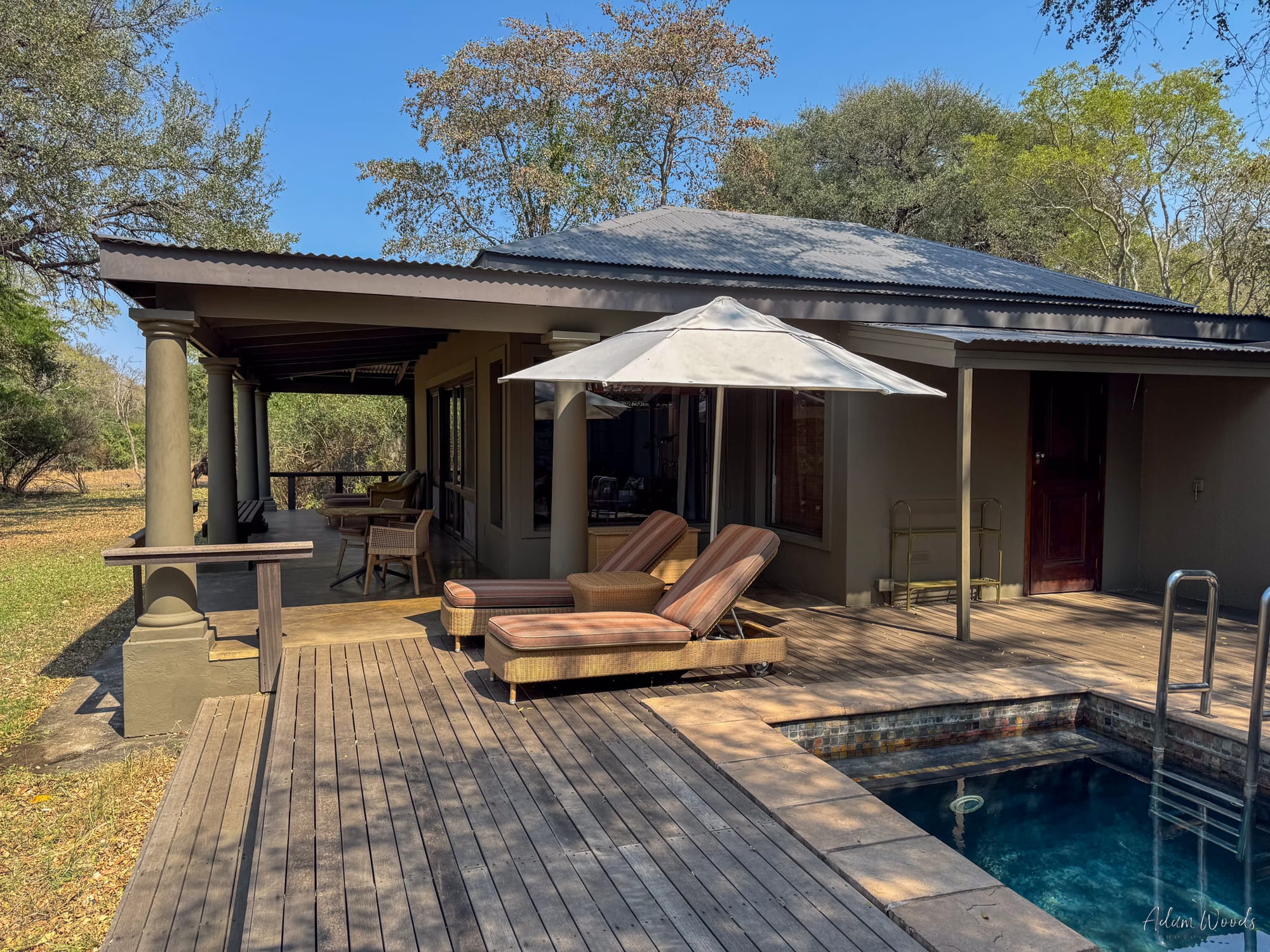
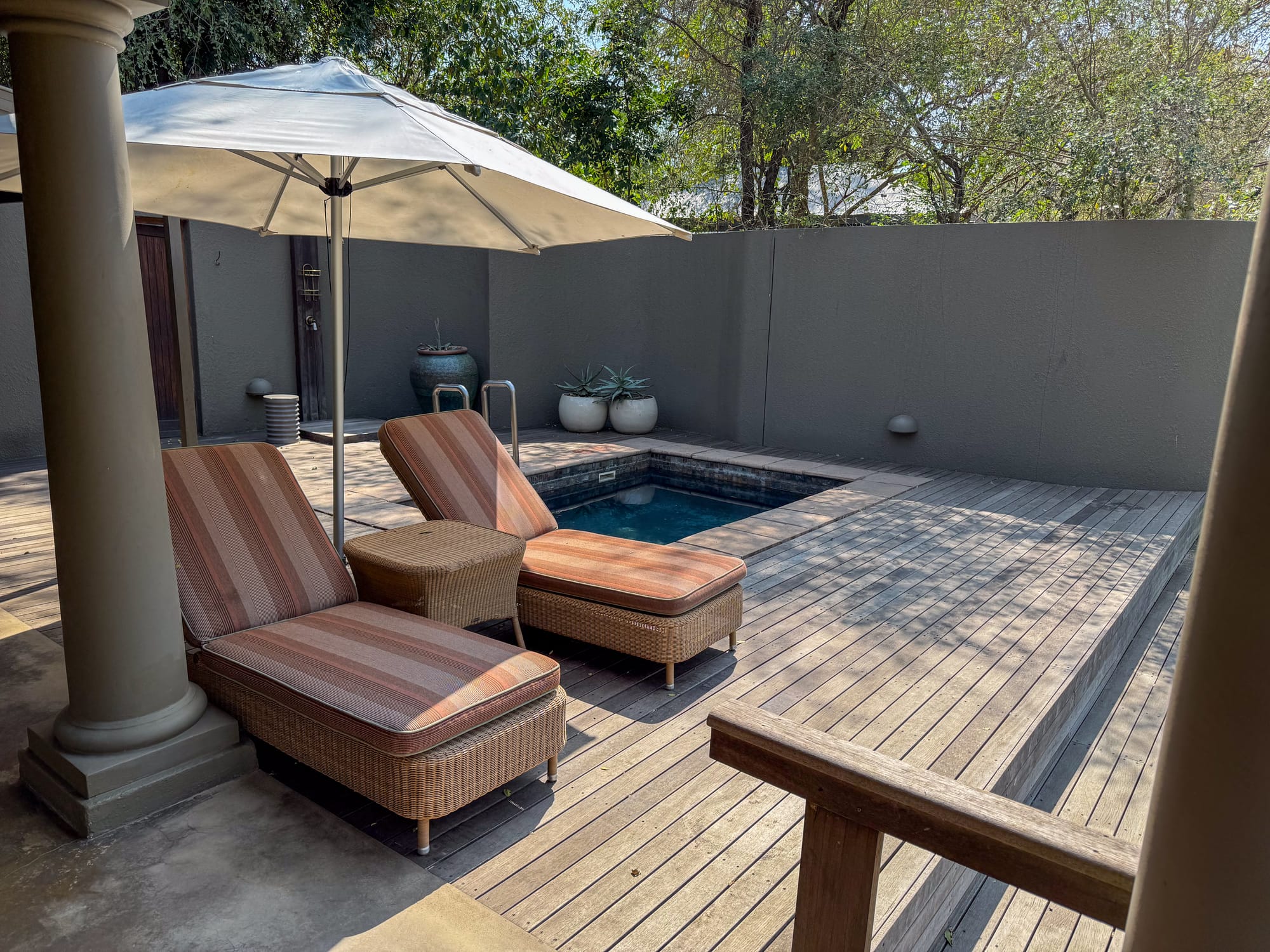
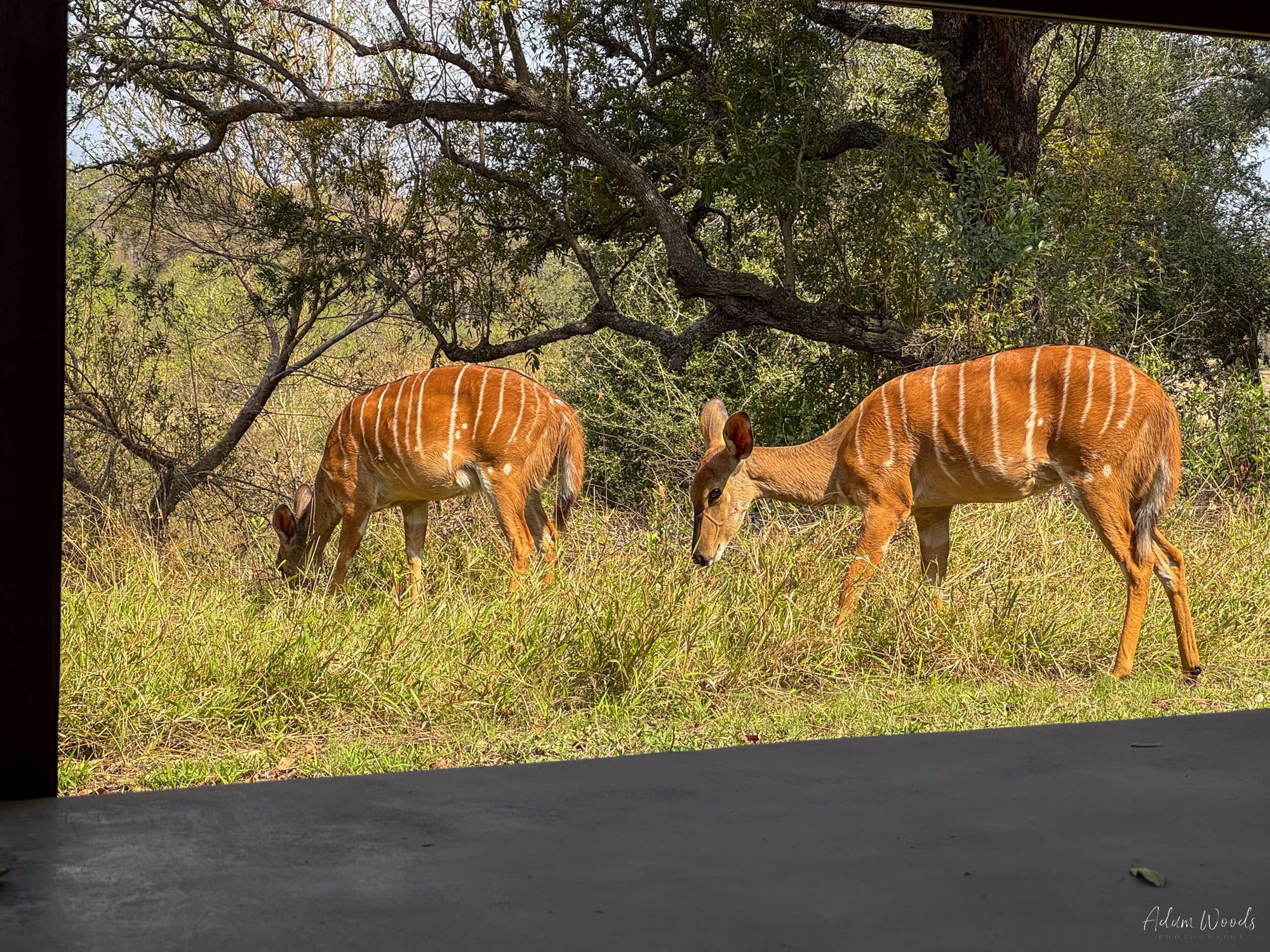
On the walk to our room, we passed Nyala, Impala, and playful monkeys moving through the trees. What immediately stood out was the electric fence encircling the entire camp—something we hadn’t encountered at any of the other lodges we’ve stayed at, where wildlife wandered freely. The staff explained that the barrier was necessary to keep out elephants and buffalo, both potentially dangerous and incredibly destructive. Left unchecked, elephants would tear through the trees that give the lodge its beautifully landscaped character. It reminded me of when the elephant was literally ripping the tree down on top of our roof at Royal Malewane.
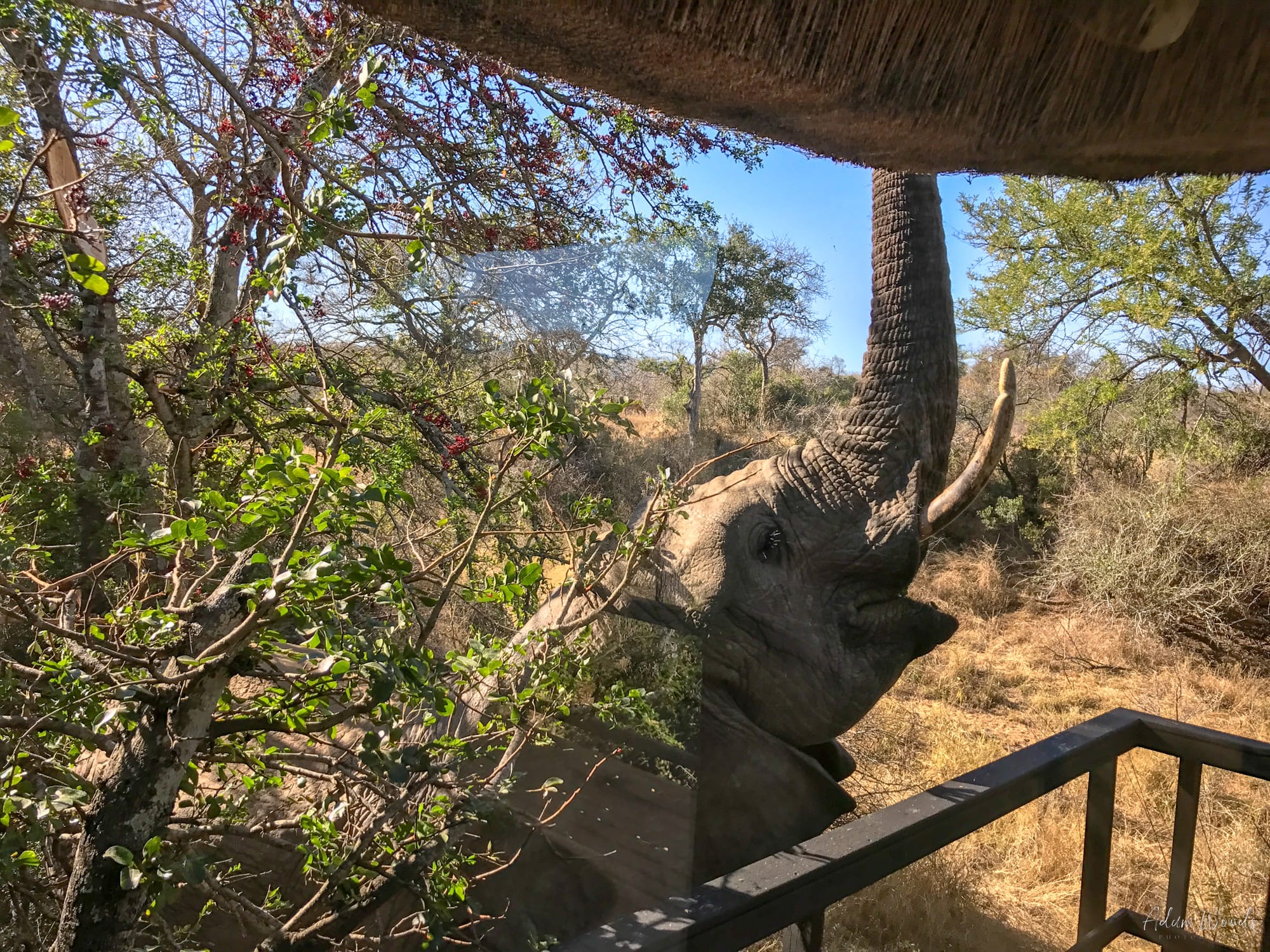
Inside the fence, the wildlife felt unusually calm and accustomed to people. Animals that would normally keep their distance allowed us to come remarkably close, which made photographing them effortless. One afternoon, even a herd of elephants wandered right up to the edge of the fence.
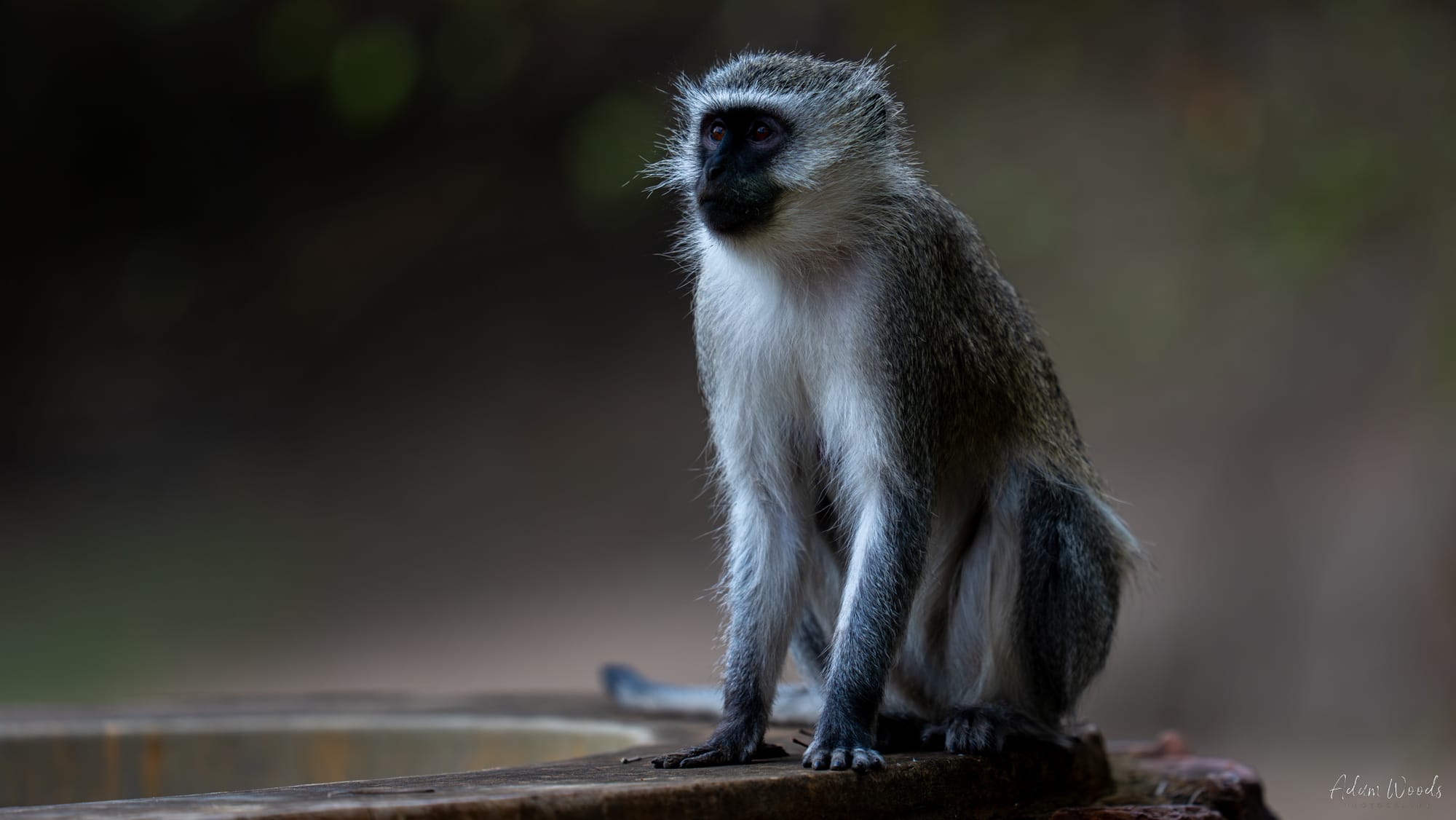
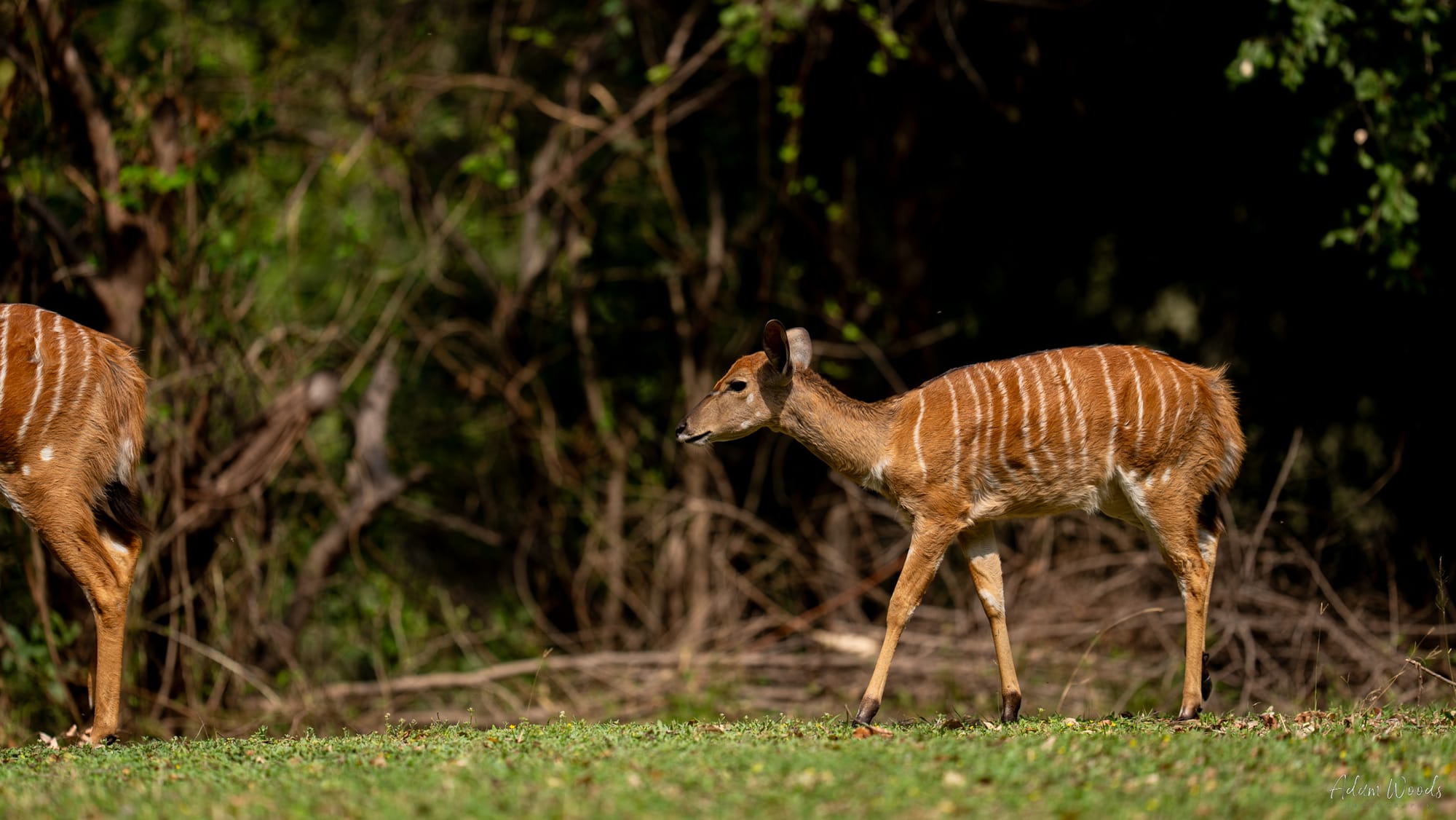
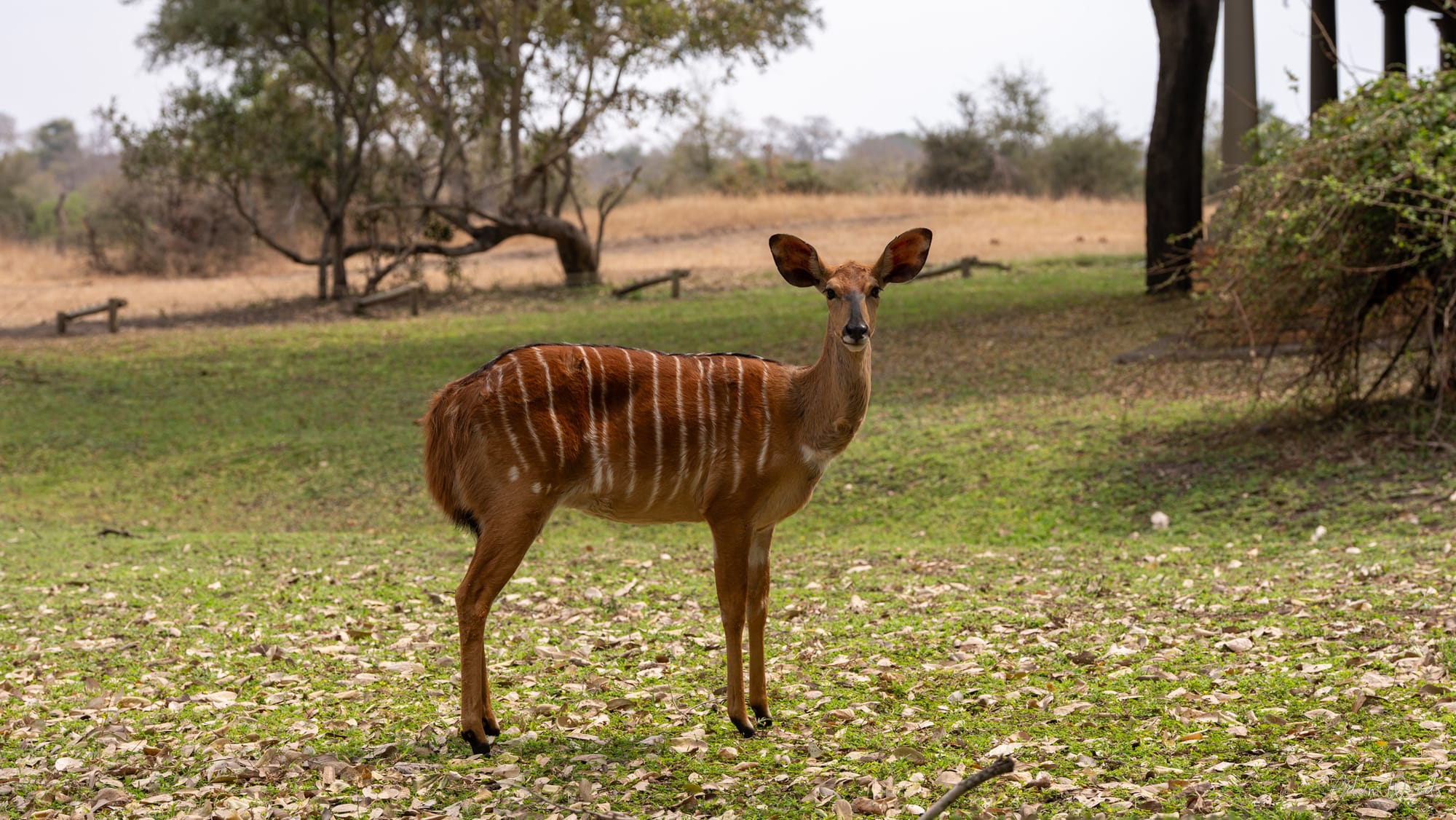
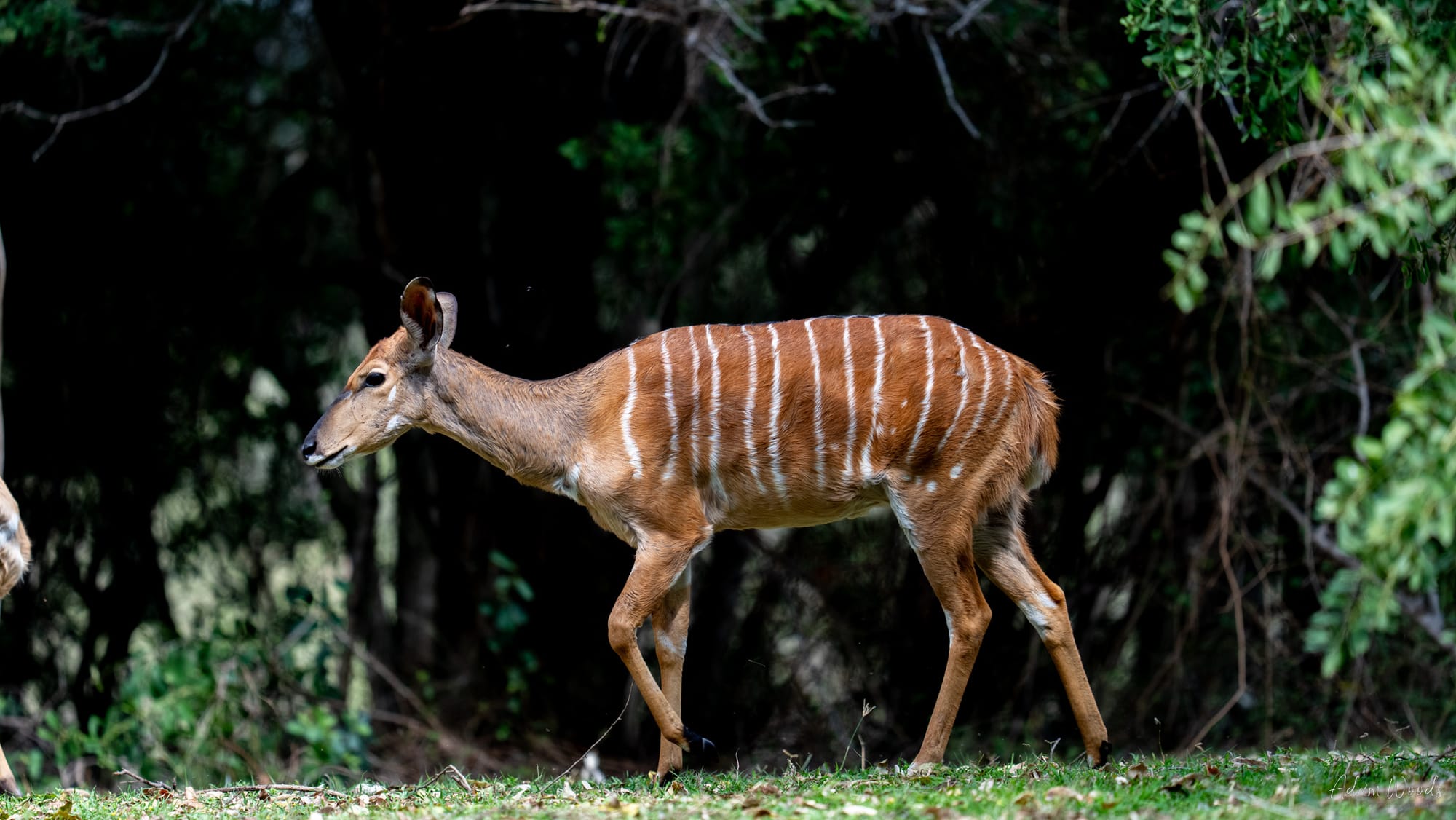
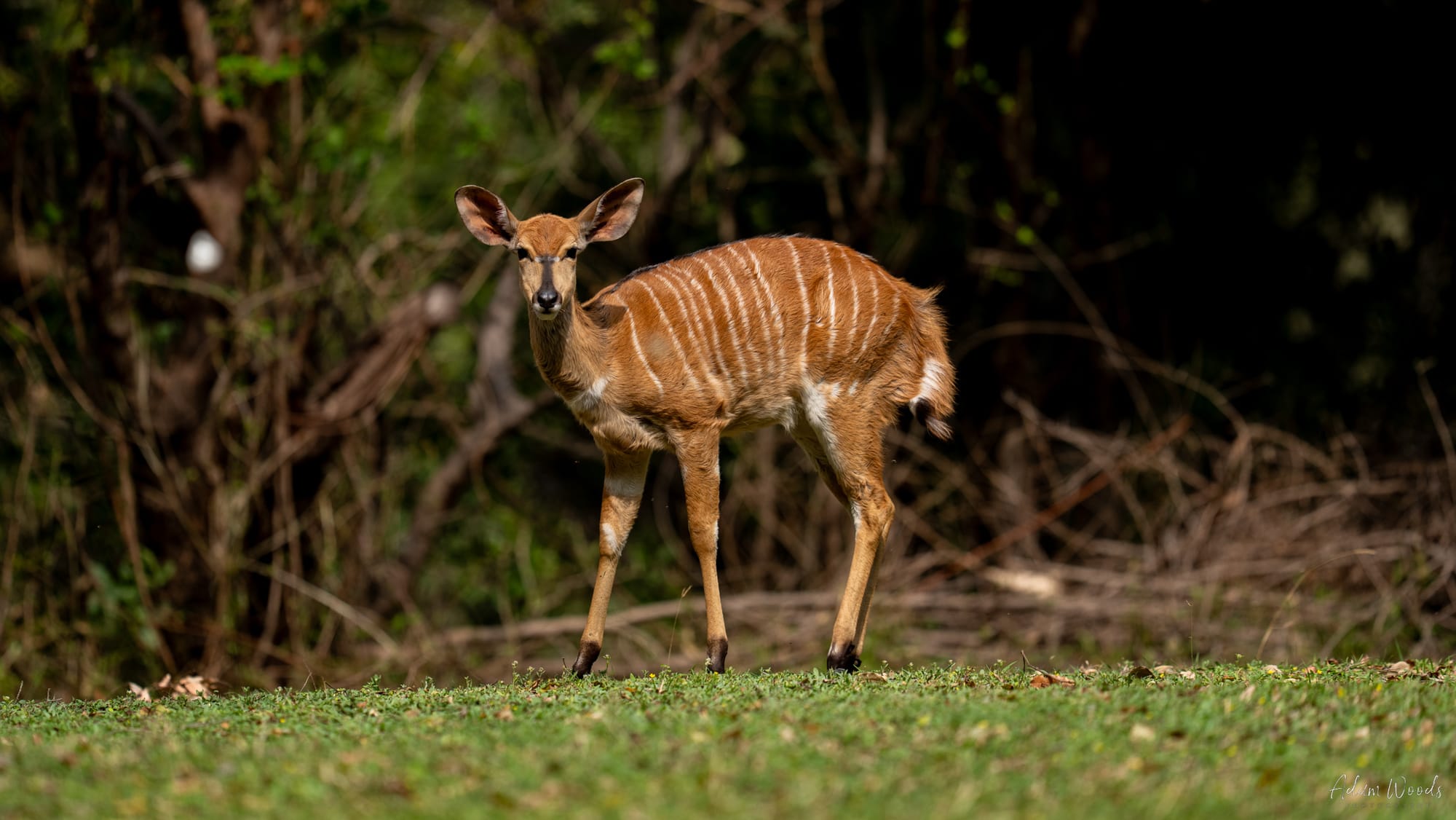
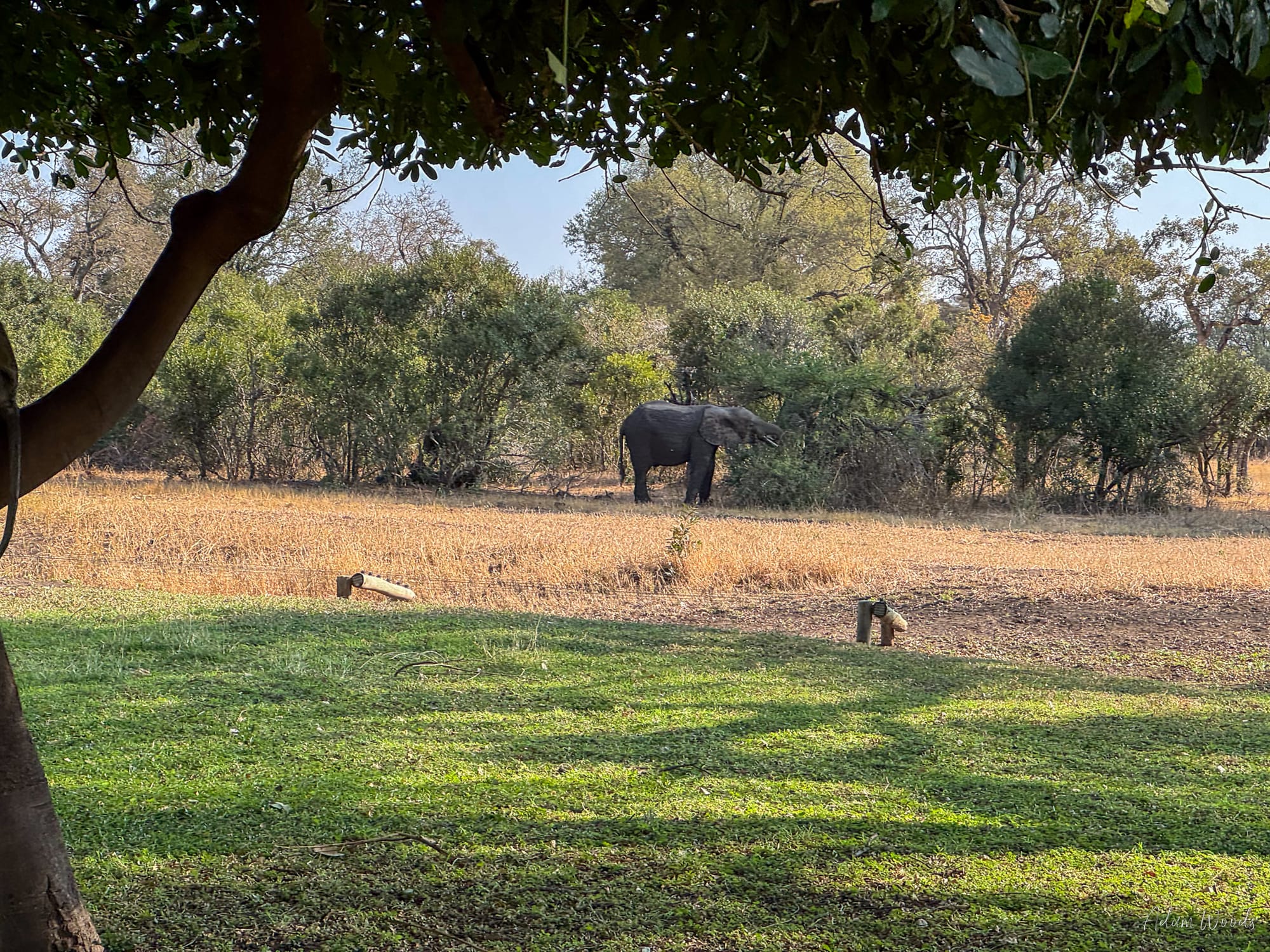
In addition to seeing these animals while we walked back and forth between the main camp, they would regularly frequent our back patio area. They would graze on the grasses between our villa and the hill side.
We didn’t have much time to spare. We quickly changed, got our camera gear ready, and made the long walk back to the main camp area to start our evening drive. All the other guests were already out in the bush on their drives and we were excited to get going. I brought the most camera gear on this trip than I have ever taken anywhere. I took a picture of both of the backpacks so I would know how to repack them at the end of the trip (which was very helpful).
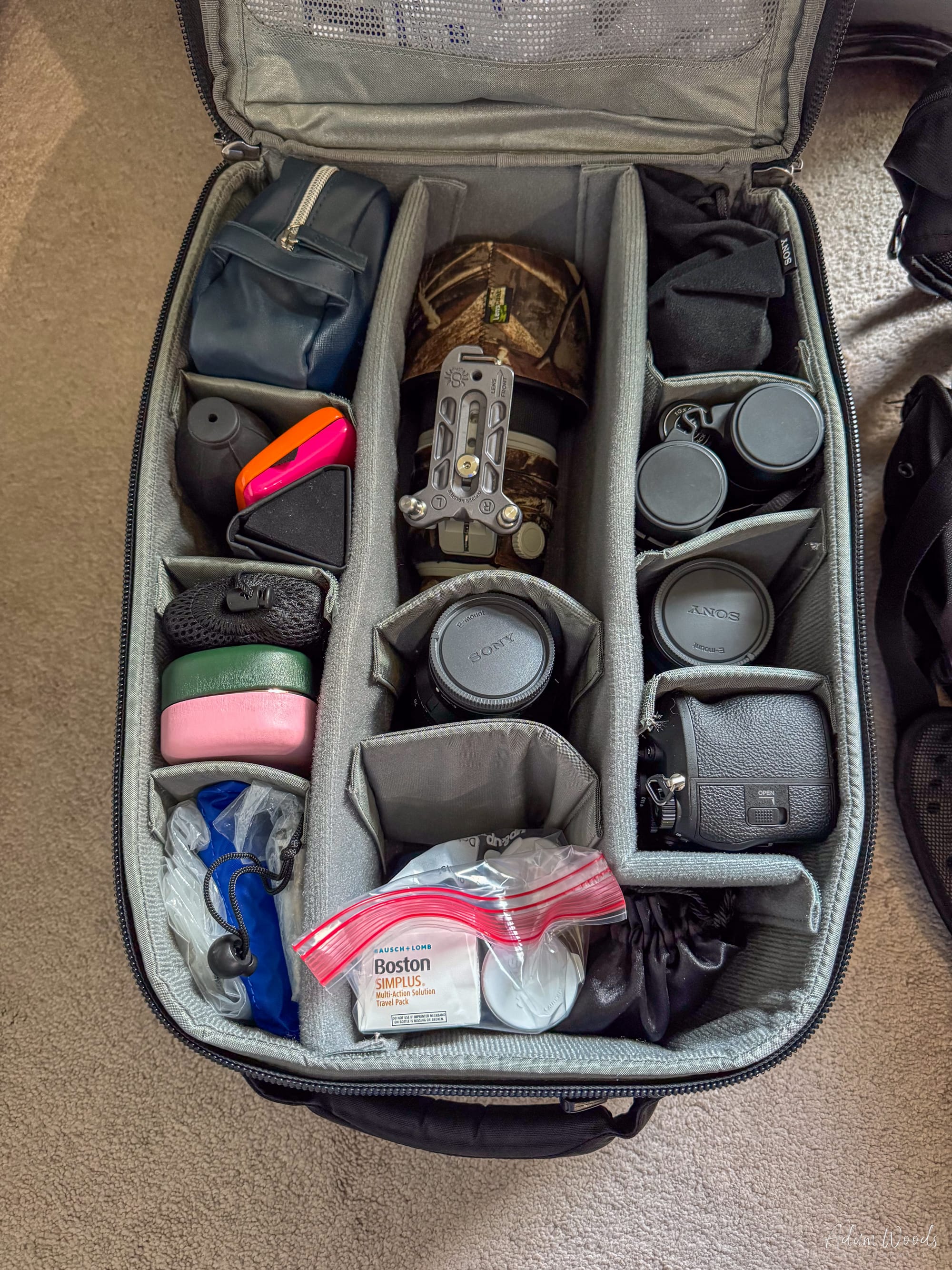
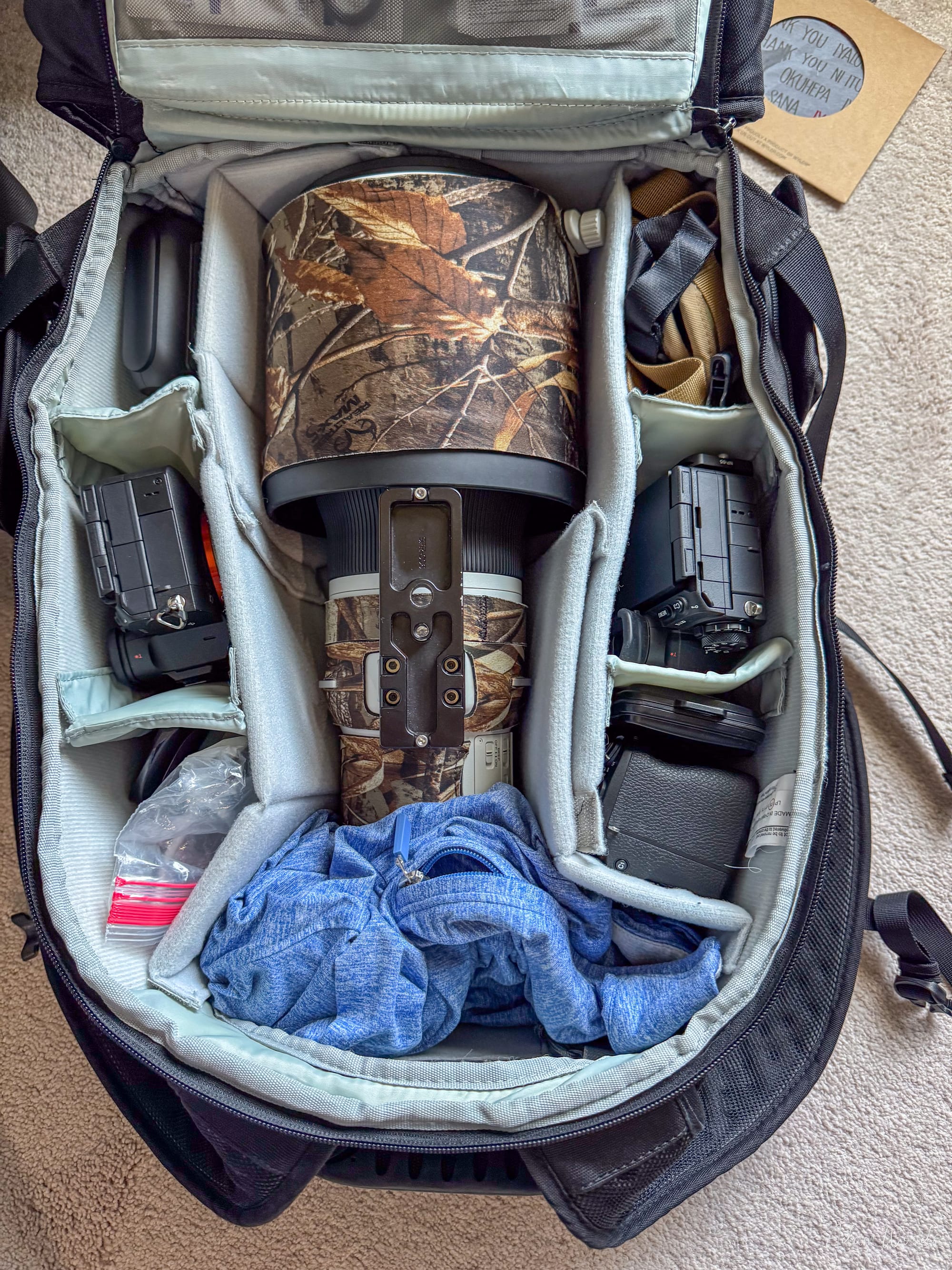
Here is a list of the gear I brought on the trip:
Sony a7rV with a Sony 24-70mm f/2.8 lens
Sony a1ii with a Sony 70-200 f/2.8 lens
Sony a1ii with a Sony 400mm f/2.8 lens
Sony a6700 with a 18-135mm F3.5-5.6 OSS lens (used mostly for video)
Sony Digital Shotgun Microphone ECM-M1 for the a6700
Two Vortex Binoculars
Bringing multiple camera bodies and lenses on safari is a huge advantage because it lets you quickly adapt to different situations—like switching from a telephoto for distant wildlife to a wide-angle for landscapes—without missing the moment. It also saves you from the hassle of constantly changing lenses in the field, which can be risky in the dusty, windy environment of the bush. Dust can easily get onto your sensor or inside your lens, leading to spots in your photos or long-term damage to your gear, so having multiple ready-to-go setups keeps both your shots and your equipment safe.
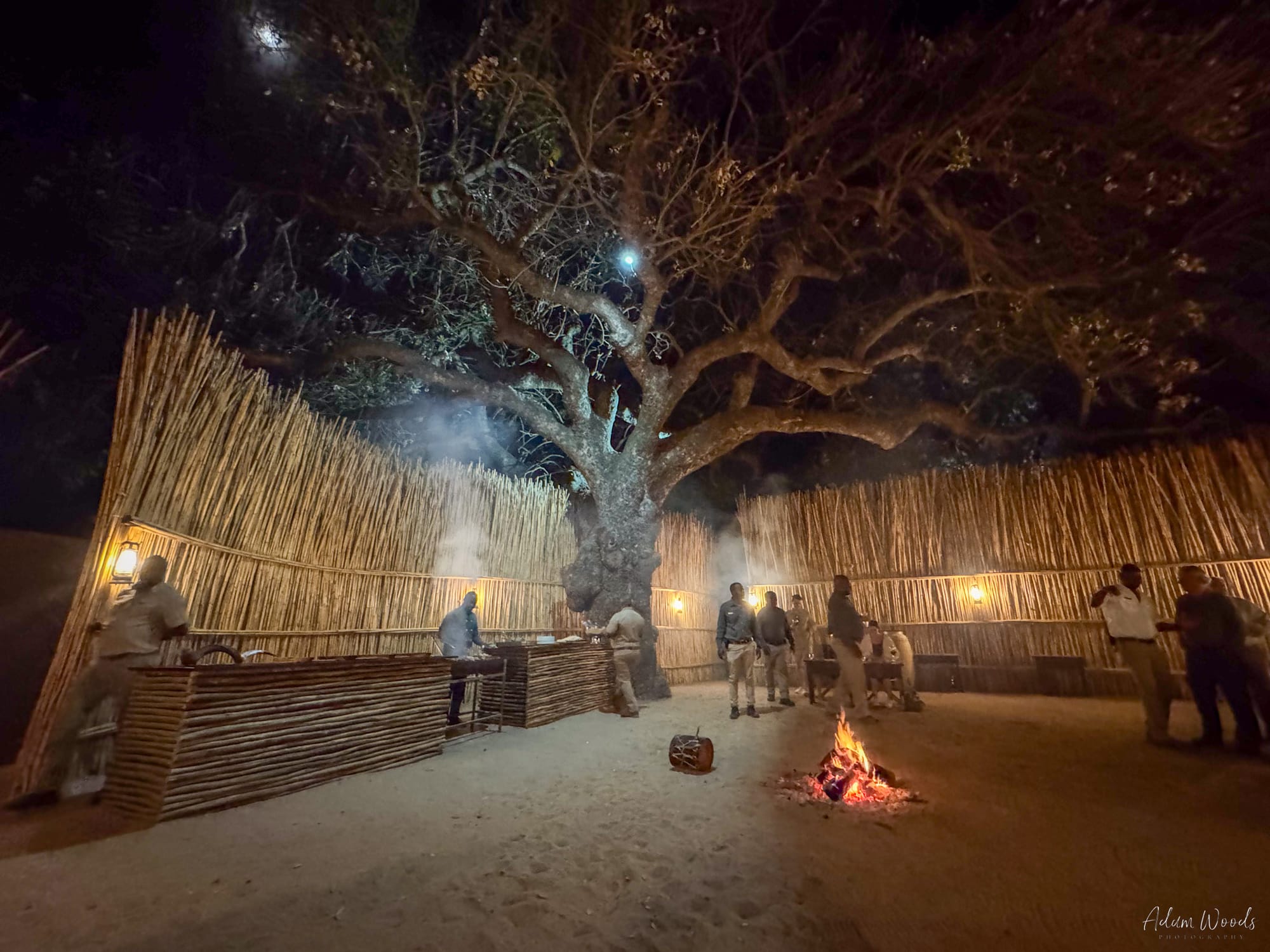
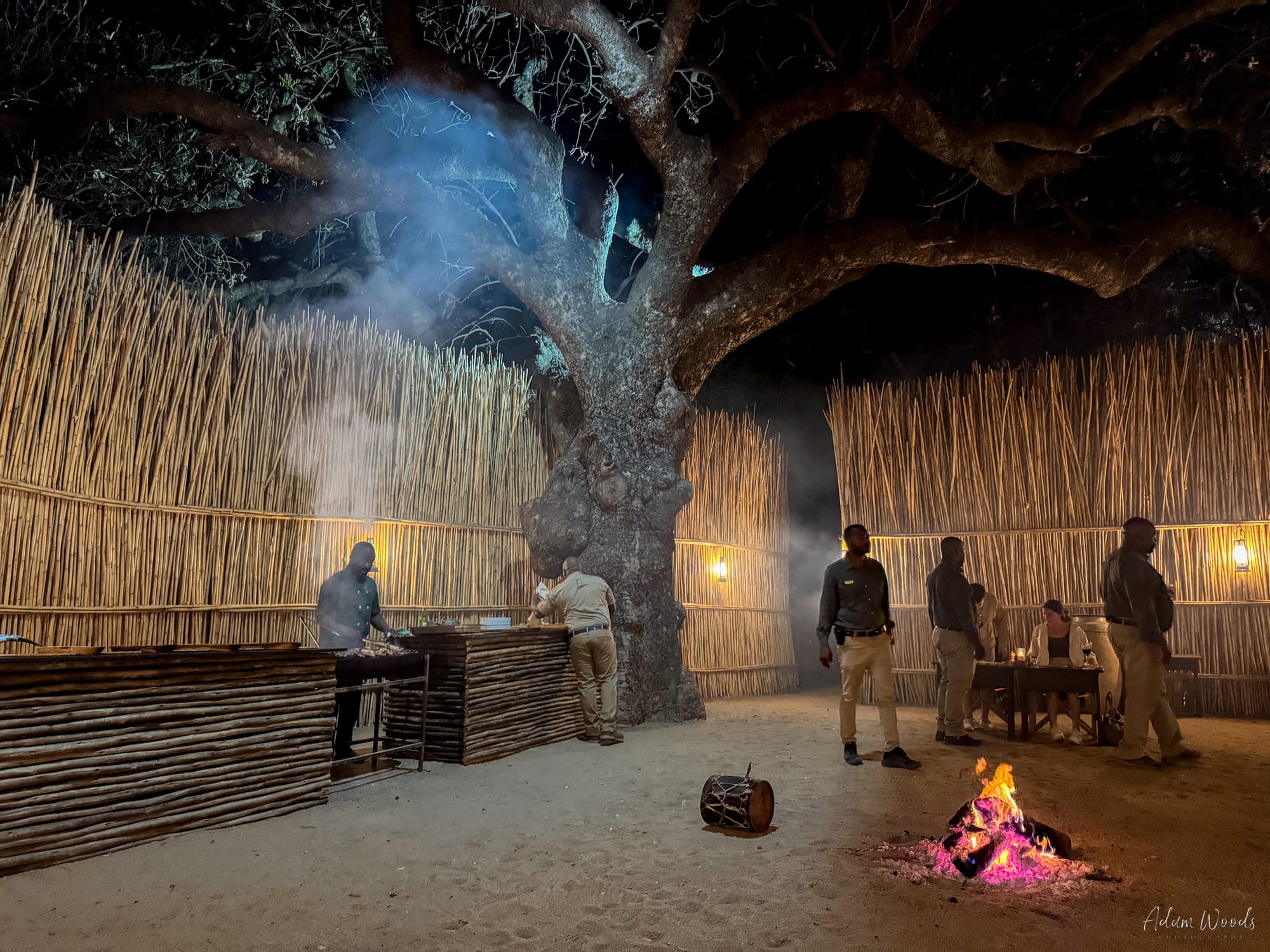
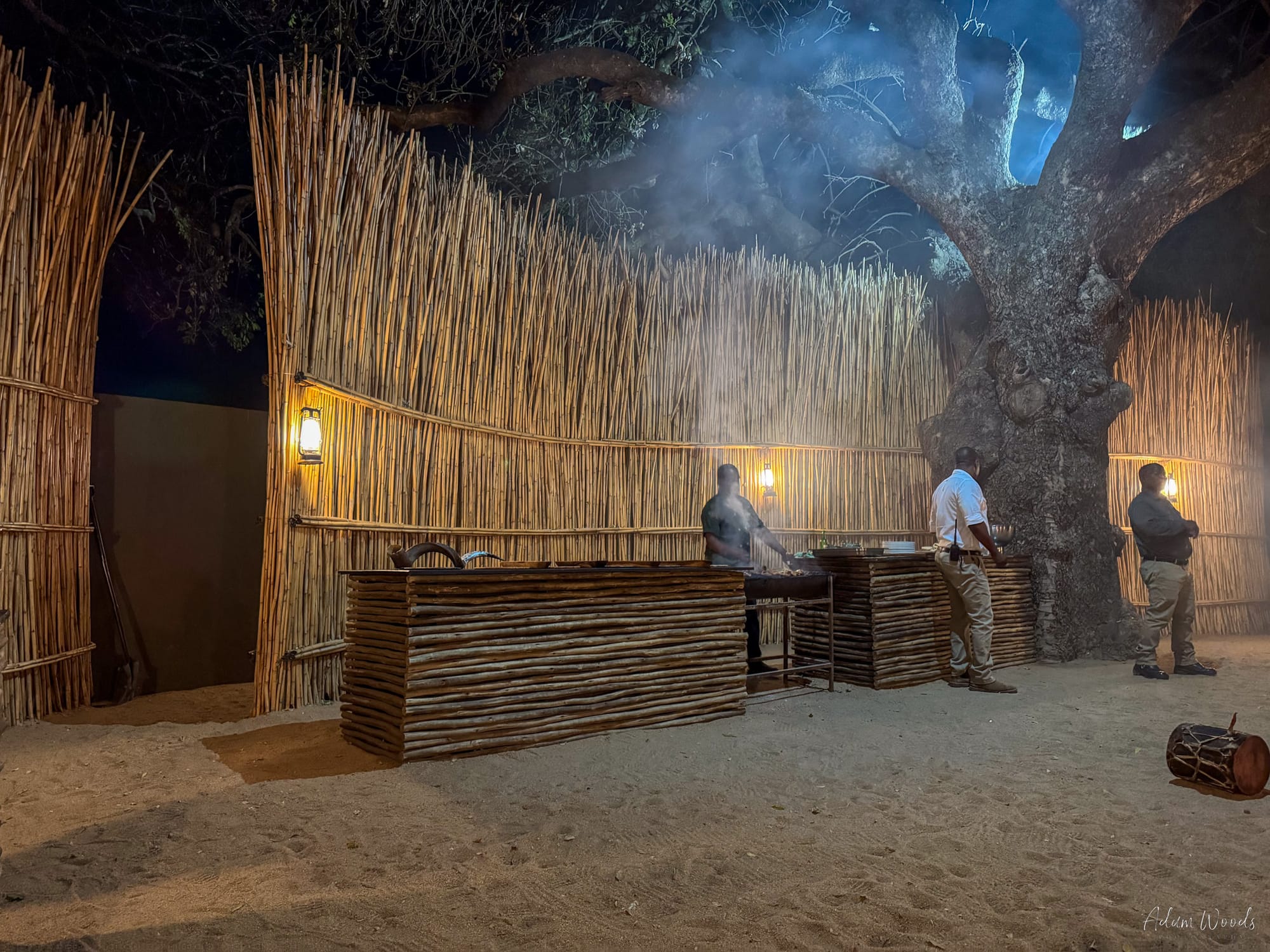
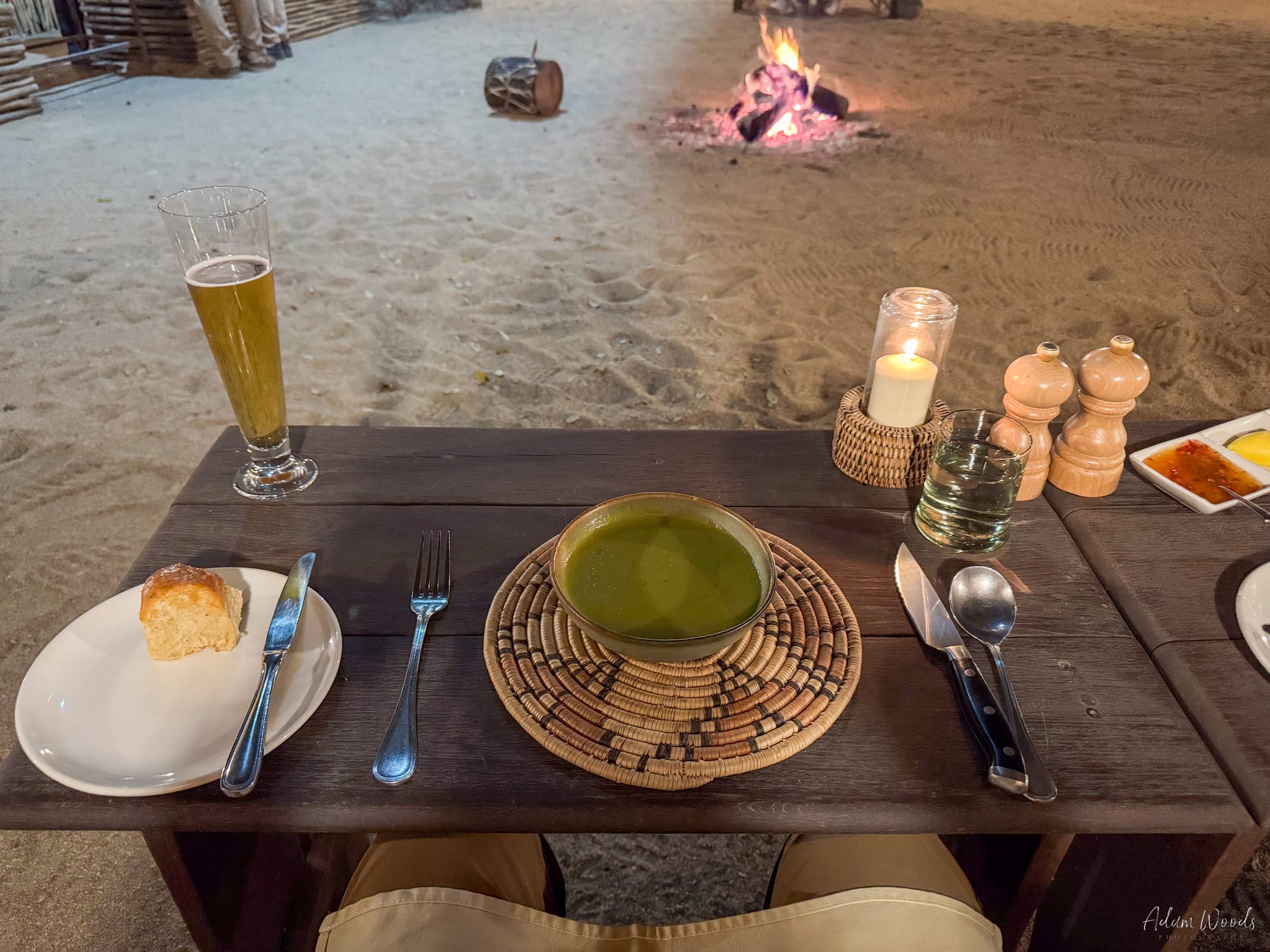
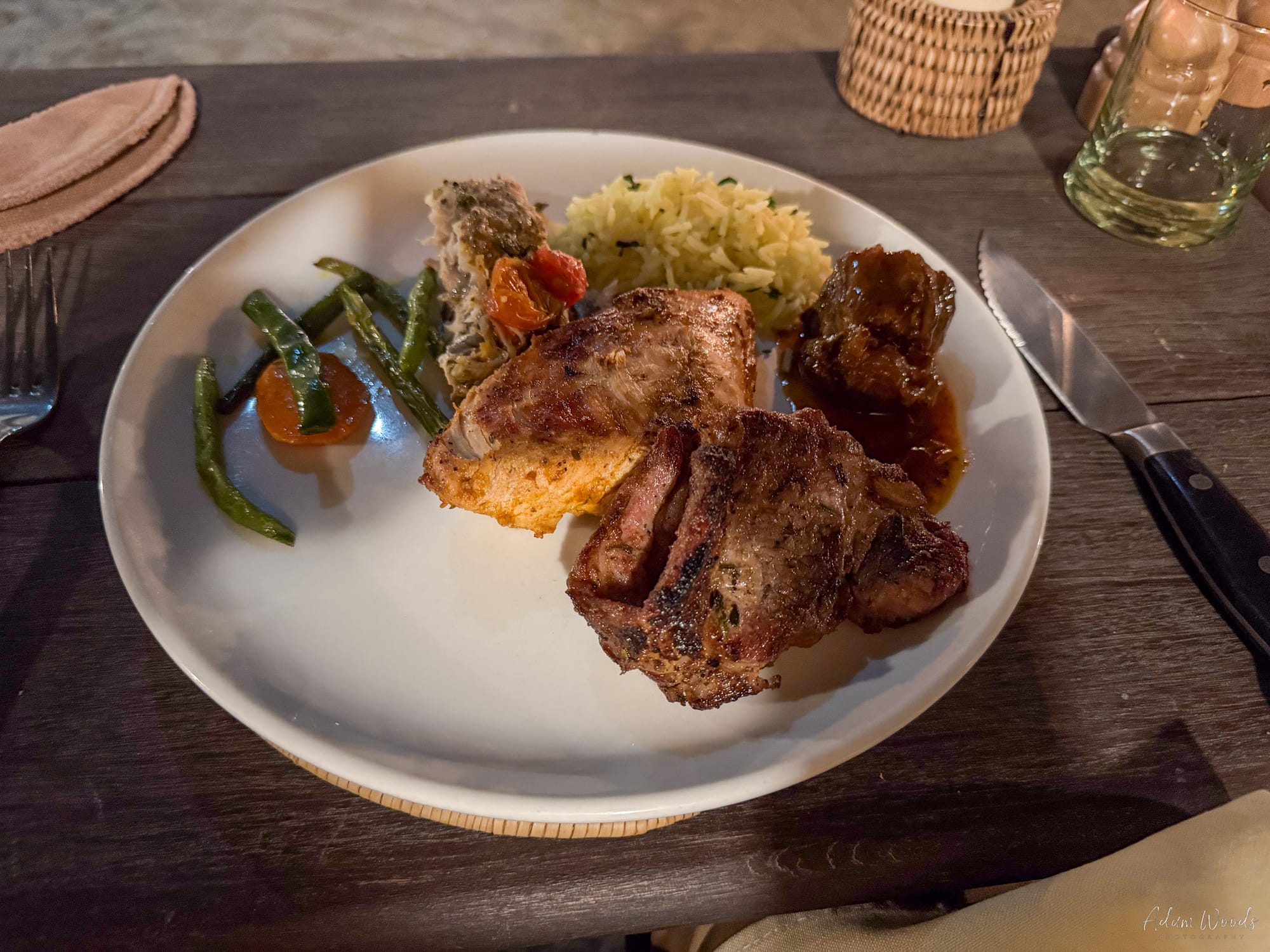
I plan to document each game drive separately, so lets talk about the meals at Mala Mala. The General Manager, Rebekah, told us on arrival that our first night would be a boma dinner. We had the choice of anything we wanted which included Ox Tail, Lamb, Chicken, Sea Bass, Rice, and many other sides. There was a local dance that took place after the main course, which my wife was pulled into. She must be making too much eye contact, because this happens almost every time these things happen.
An African boma is a traditional enclosed gathering space, often circular and built with wooden poles or stone, originally used to protect people and livestock. On safari, it’s typically an outdoor dining or social area surrounding a central fire, where guests enjoy meals, storytelling, and the night sounds of the bush. The boma combines rustic charm with cultural authenticity, creating an intimate and atmospheric experience under the stars.
Due to the timing of the bush drives, there would not be a standard breakfast time. Our typical daily schedule was as follows:
5:00am - wake up
5:45am - JJ would pick us up in the golf cart
5:50am - grab a small snack, like a cookie or grain bar
5:55am - in the vehicle starting our drive
10:00am - return to camp
10:30am - brunch
3:15pm - meet JJ at the main camp to begin the evening drive
6:30pm - return to camp
7:00pm - dinner
At brunch, we could choose from both breakfast and lunch options, though we usually leaned toward the breakfast dishes since they were consistently good. I only ordered a proper lunch once—on a morning when we returned to camp earlier than usual and brunch was served ahead of schedule. Later in the day I was hungry enough to to order a burger and fries.
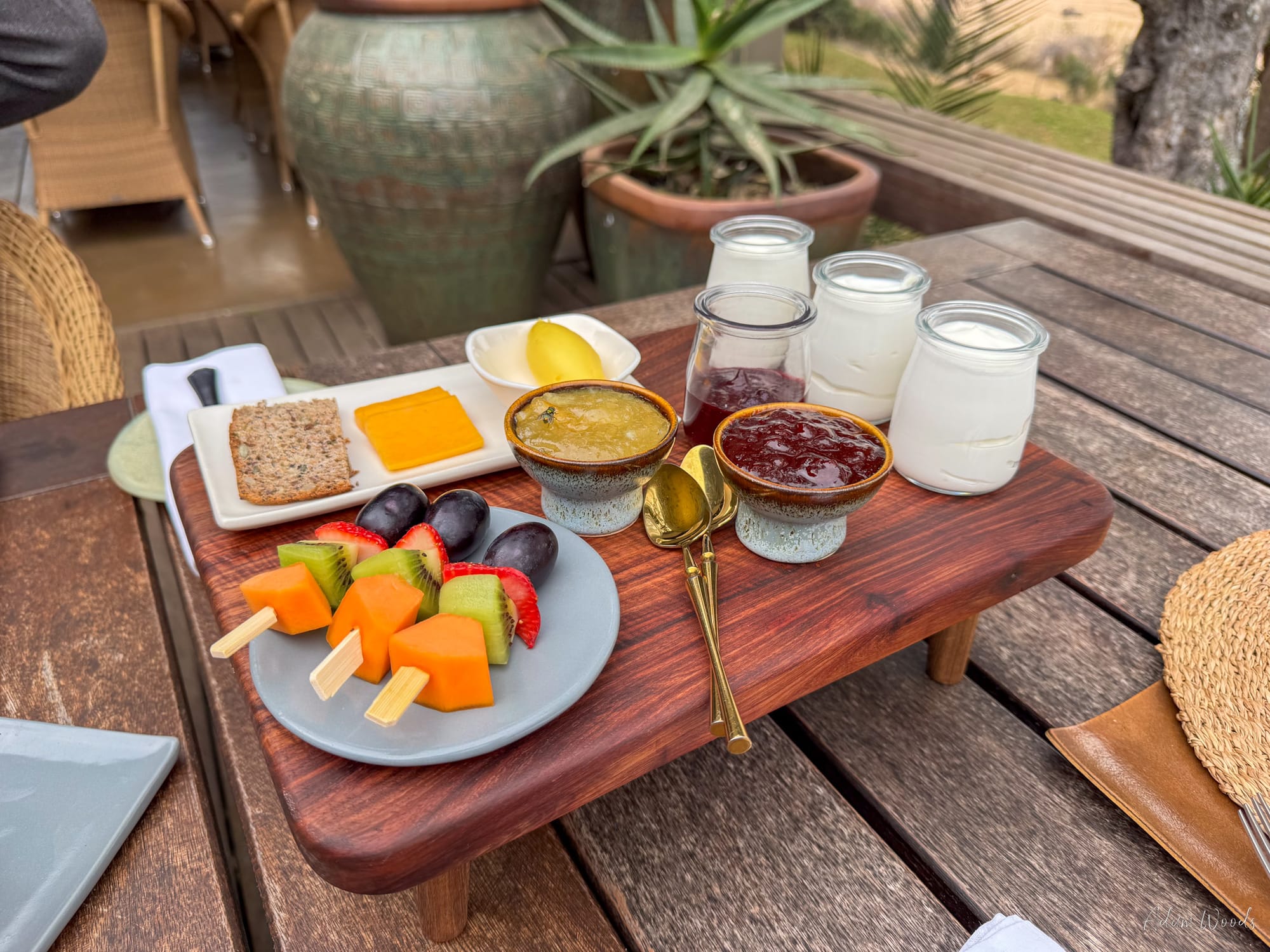
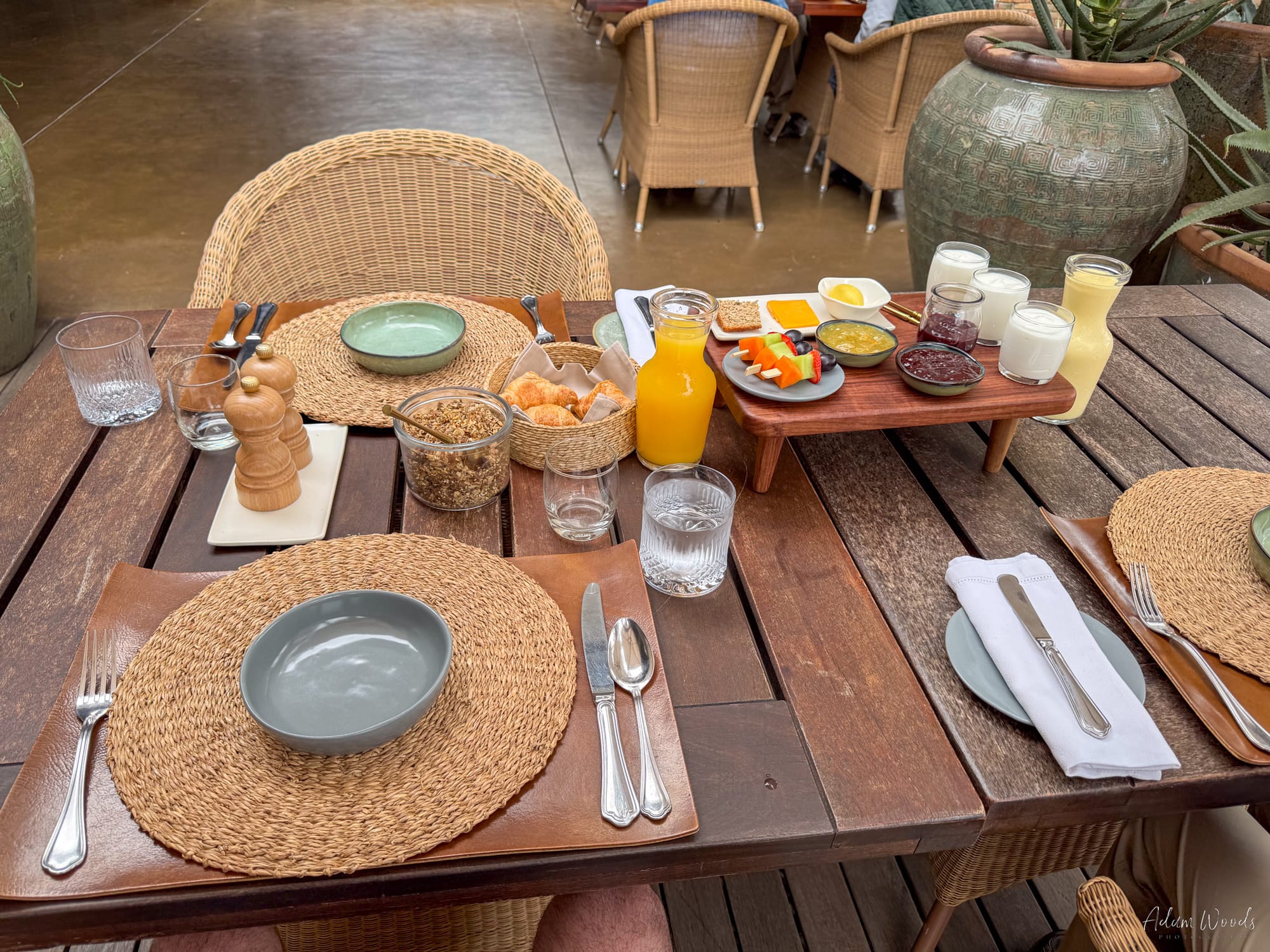
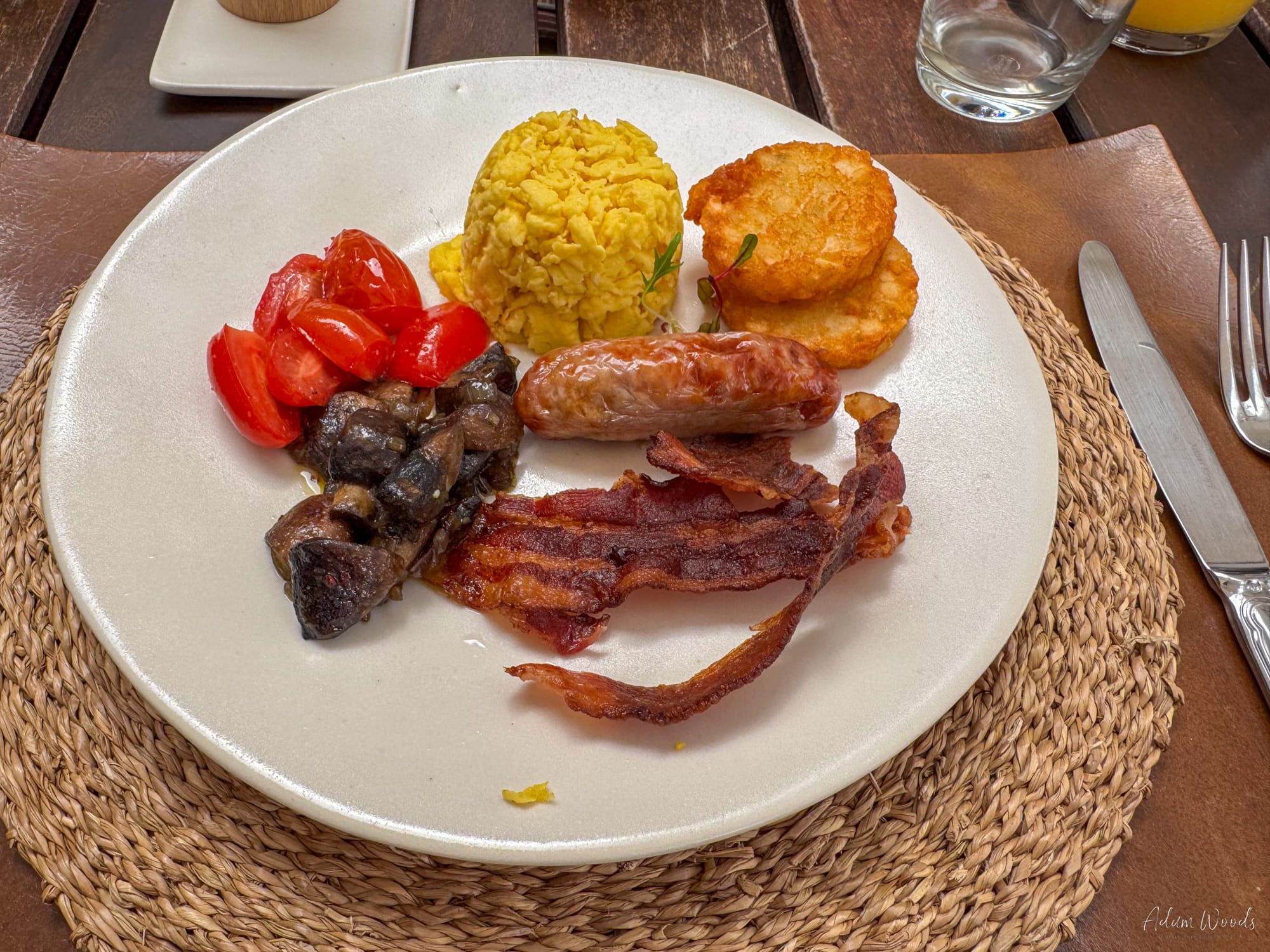
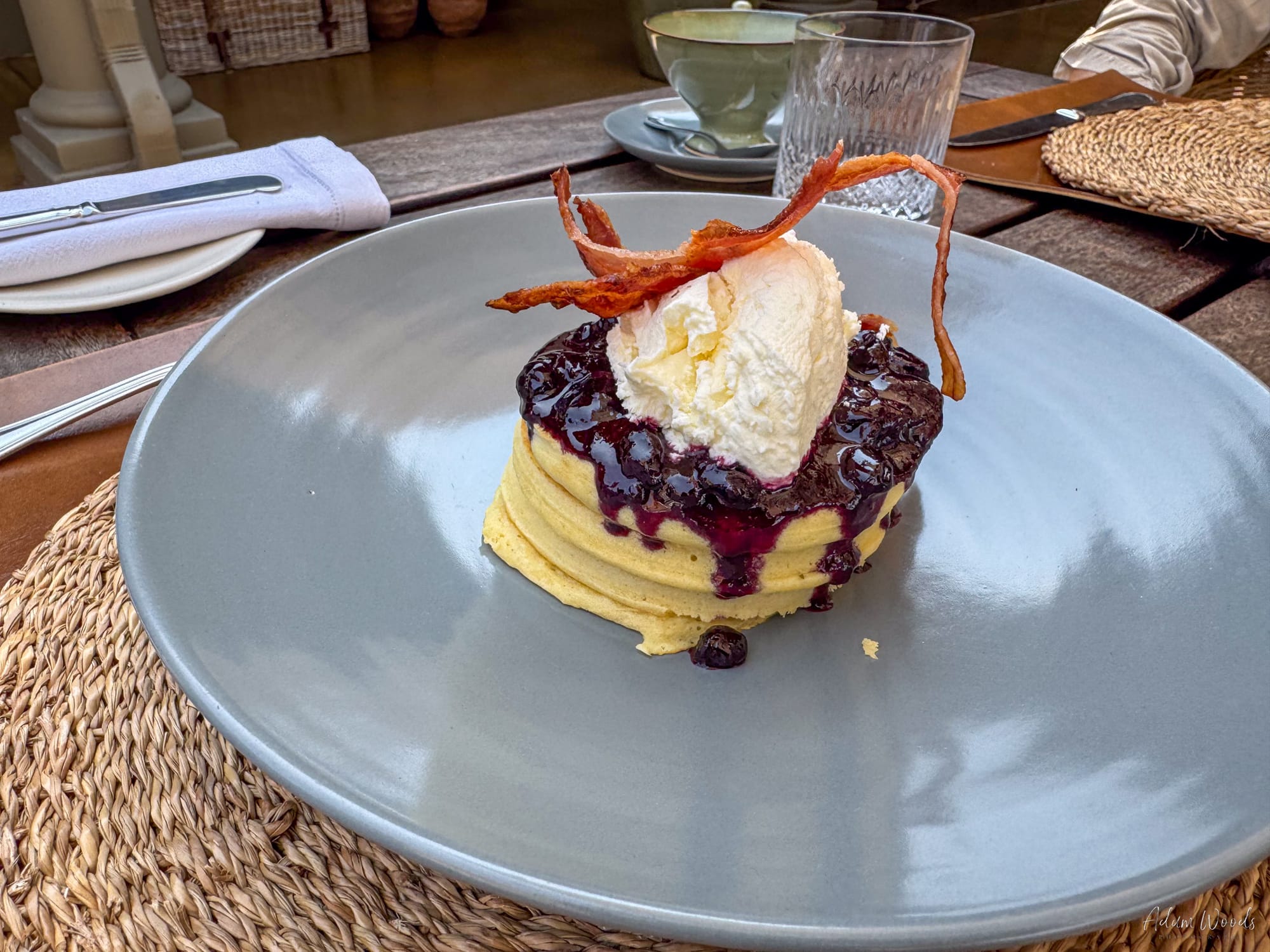
Dinners were also very well prepared with local food options such as Warthog, Eland and Impala. I tried them all and really enjoyed the Warthog Carpaccio.
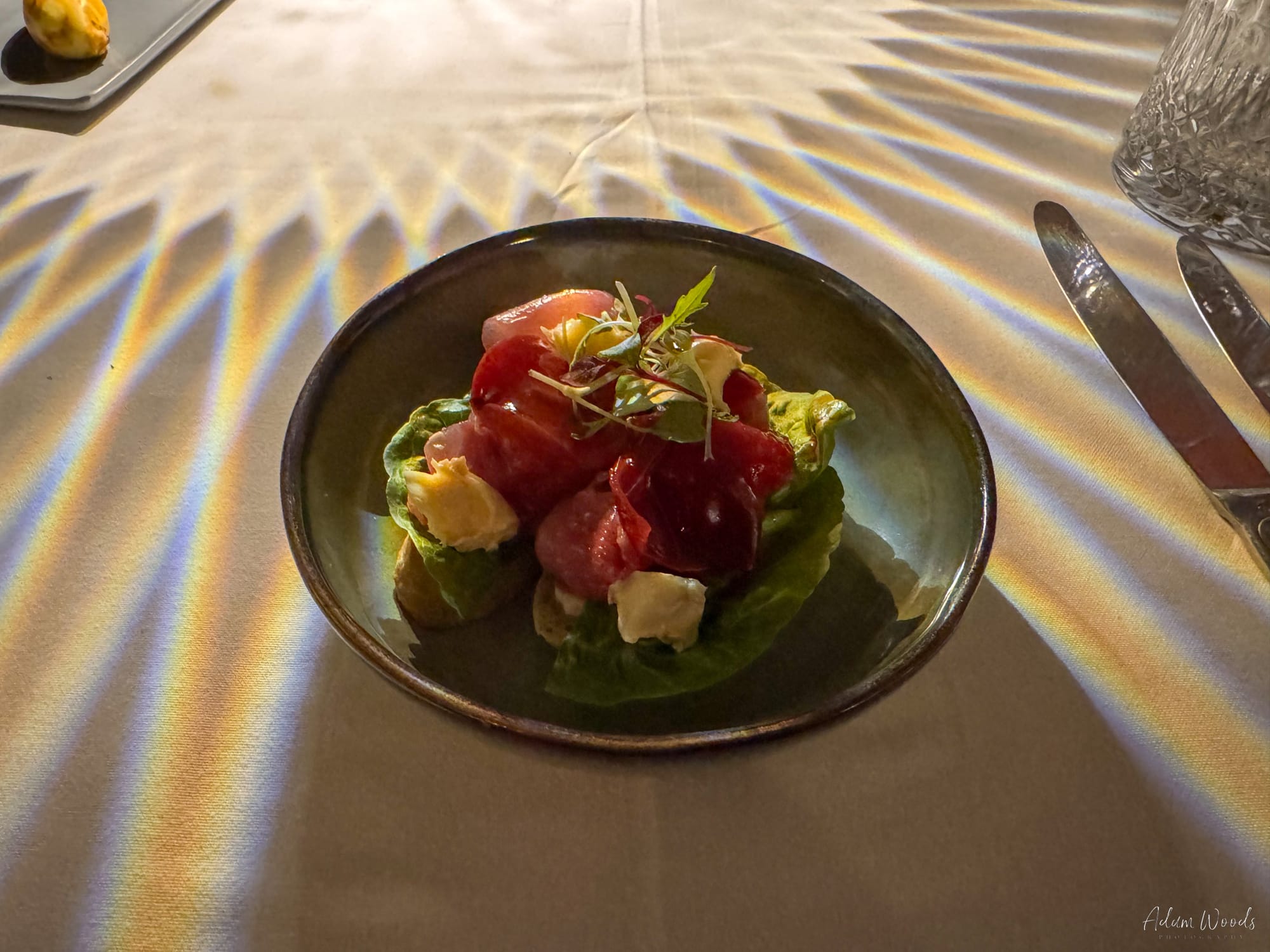
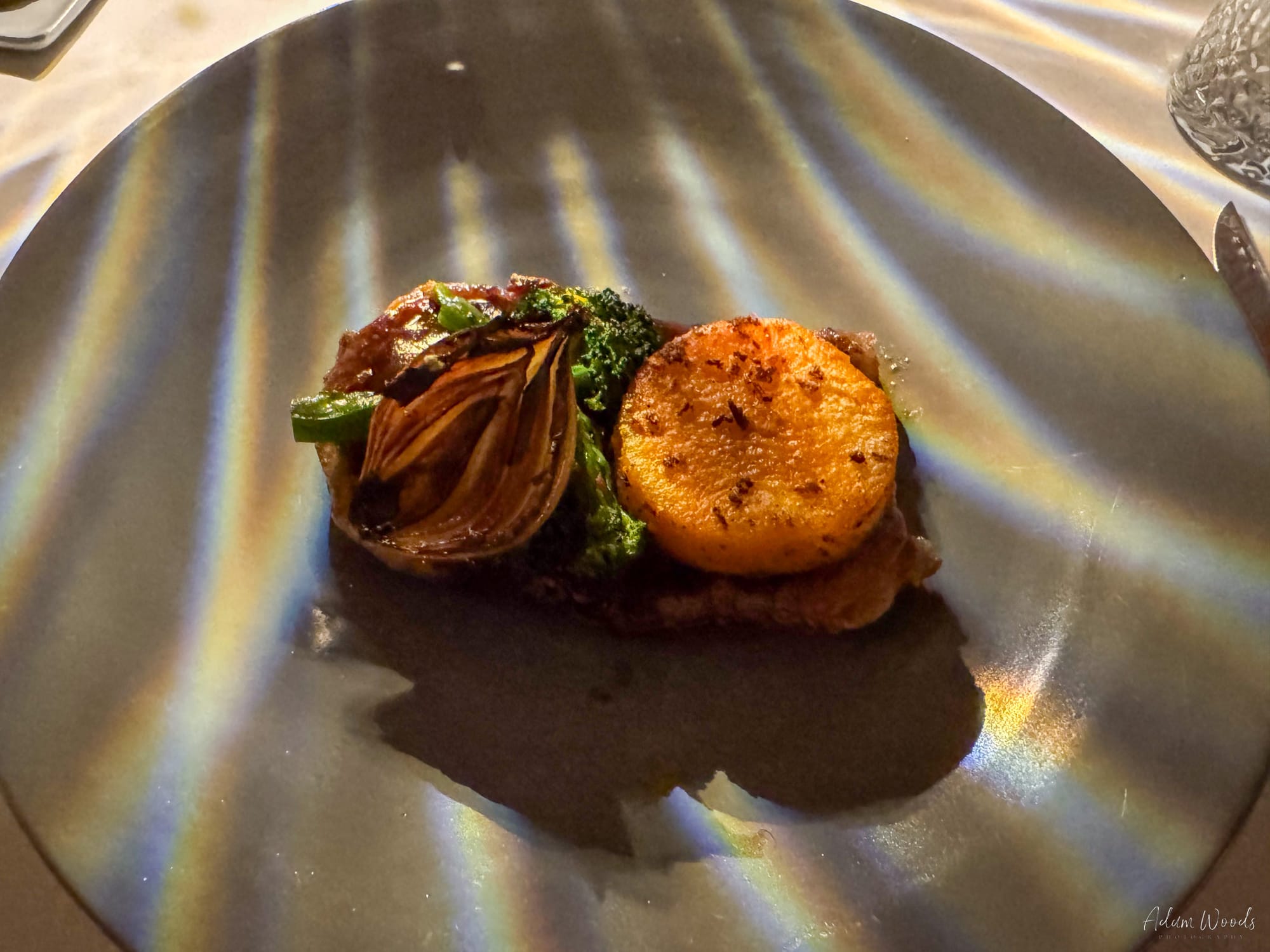
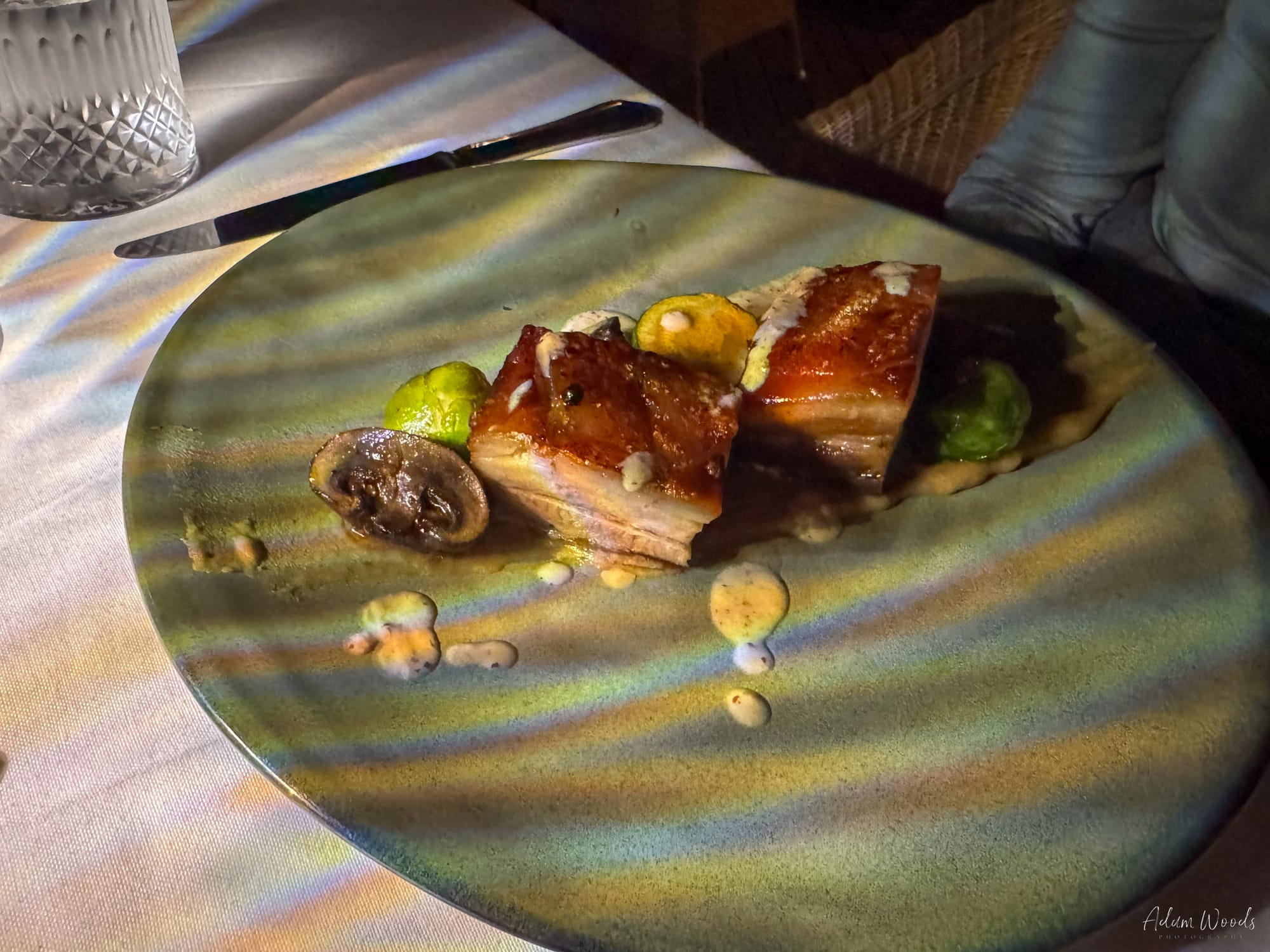
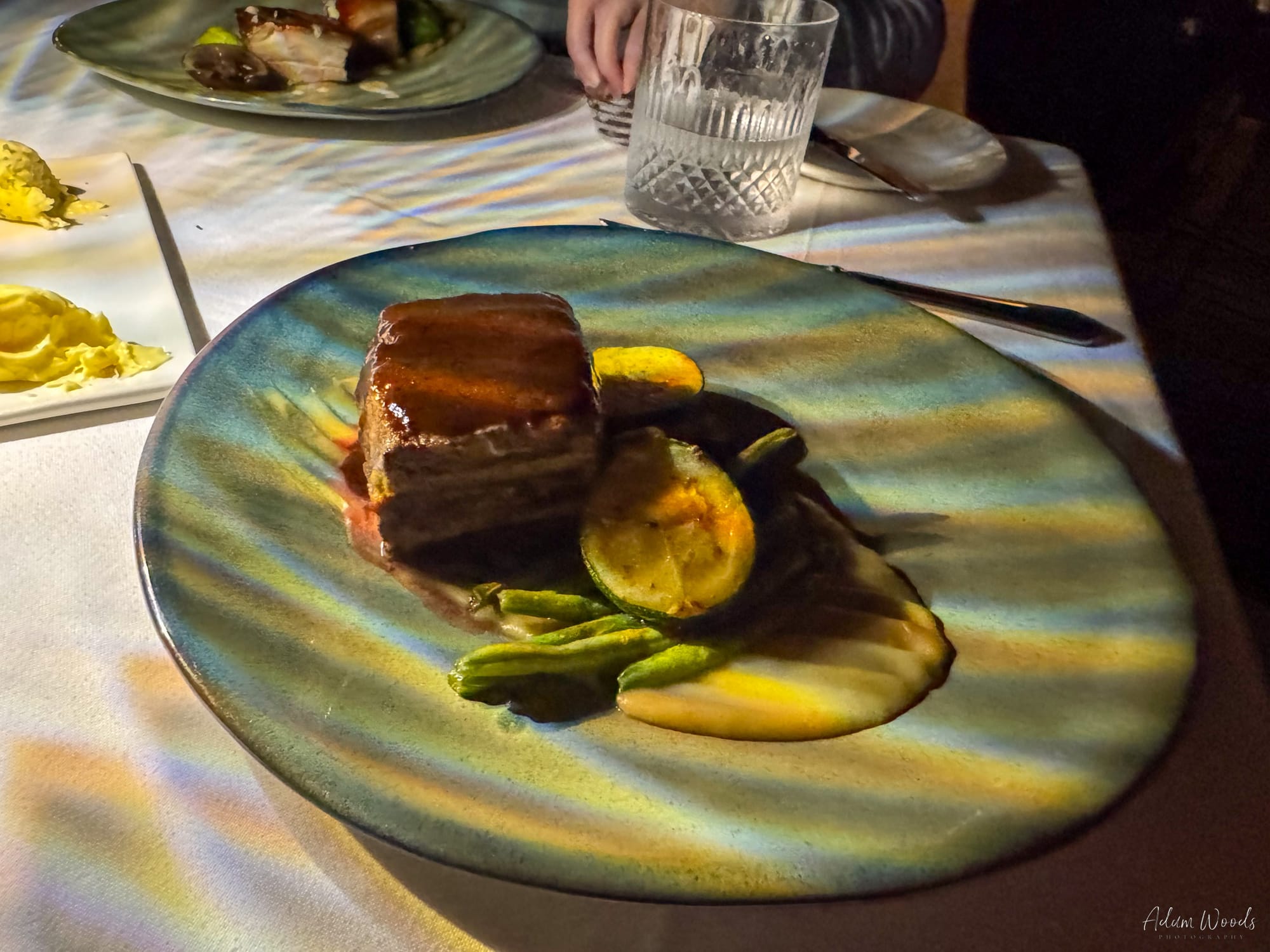
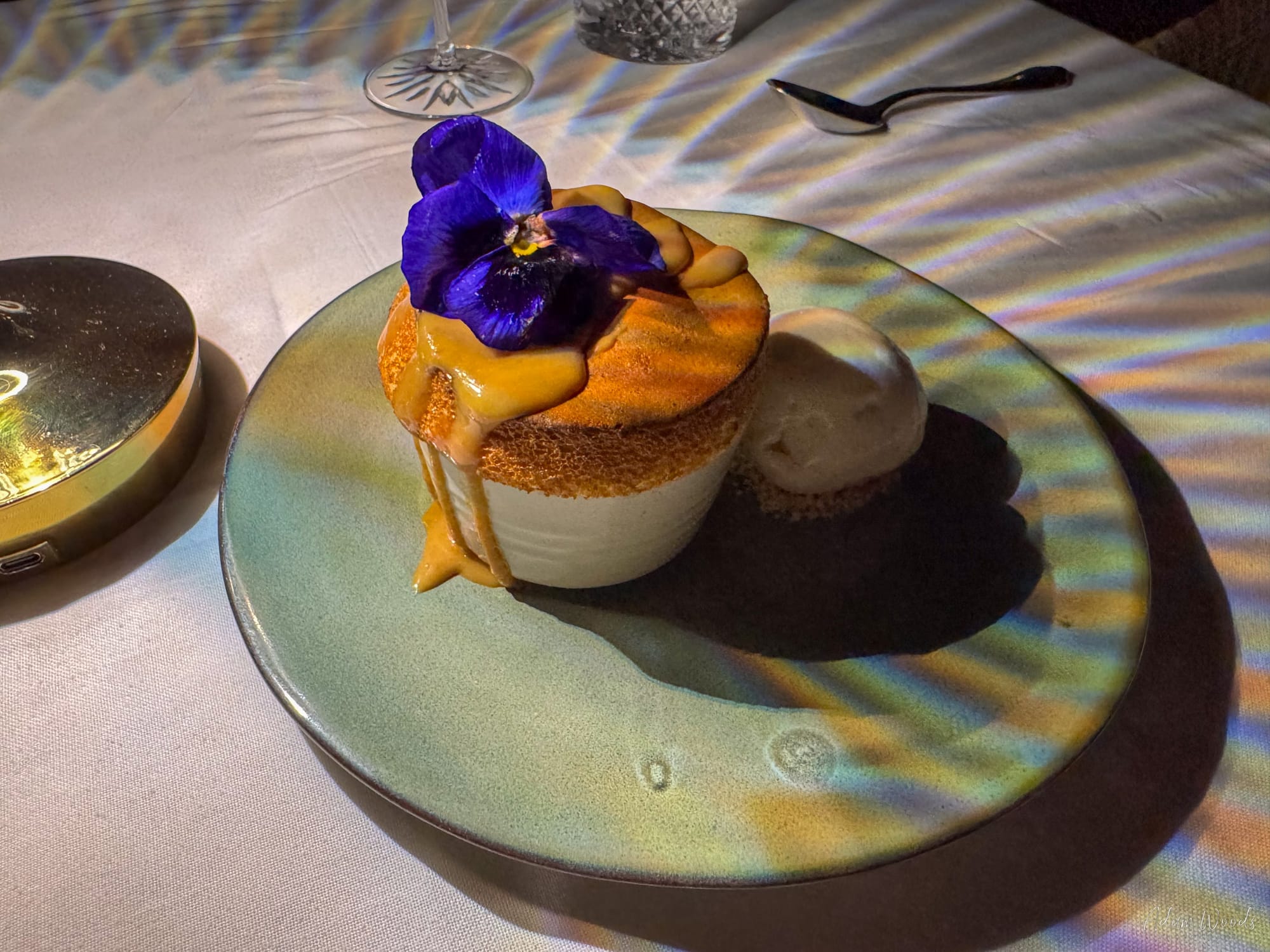
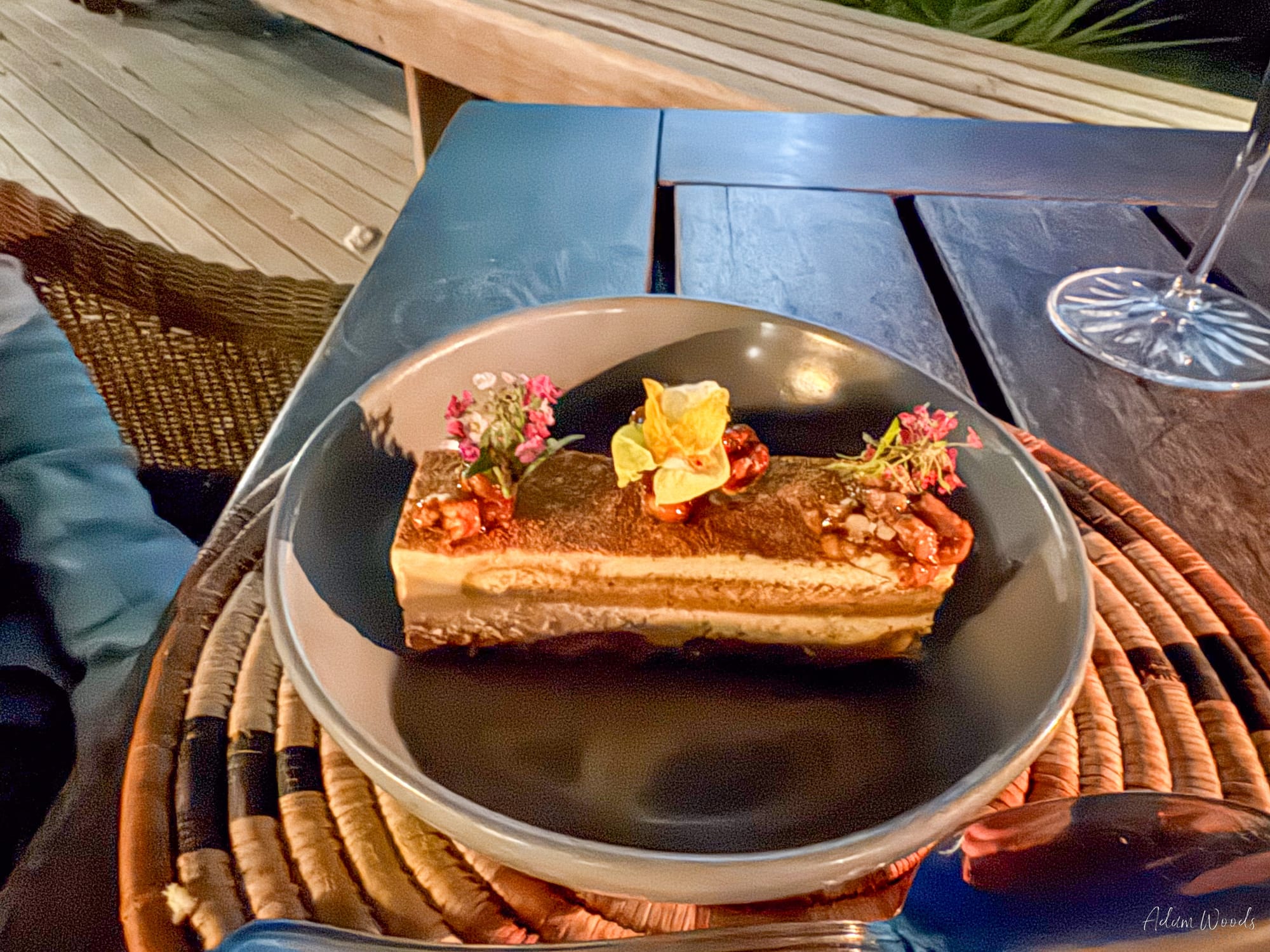
On our final night, Viktor arranged a private dinner for us, tucked away from the main dining area. He had been our dedicated server throughout the stay, and we’d come to enjoy his personality and service. Viktor’s journey was an interesting one—he had started out as a baggage handler in a behind-the-scenes role, but after 2020 he set his sights on the wait staff. With training and persistence, he’s now been serving guests for several years. Earlier that day, he secretly conspired with my wife to plan the dinner, asking her to keep it a surprise. To my amazement, she actually managed to keep the secret until that evening.
At first, I thought Viktor seemed a little grumpy, but as we spent more time with him, I realized it was more of a language quirk—what I’d mistaken for sternness was really just his “concentrating face” when speaking English. In truth, he was a delight, even sharing jokes with us now and then. One afternoon he came over and asked, “How many liters of water do you drink in a day?” I had to laugh—I told him I had no idea how much a liter even was and asked why he wanted to know. He grinned and said it was because I seemed to drink a lot of water. I explained that I avoid too many sips while out in the bush—I’d rather rehydrate back at camp than waste time with bathroom breaks on safari. That got a big laugh out of him.
As I mentioned above, the next series of posts will be based on the game drives we did. We had ten game drives throughout our stay, each offering something unique and special, hopefully the photos we took can convey that to you.